Why Konami Kept Every Silent Hill Project a Secret From Its Own Partner Studios
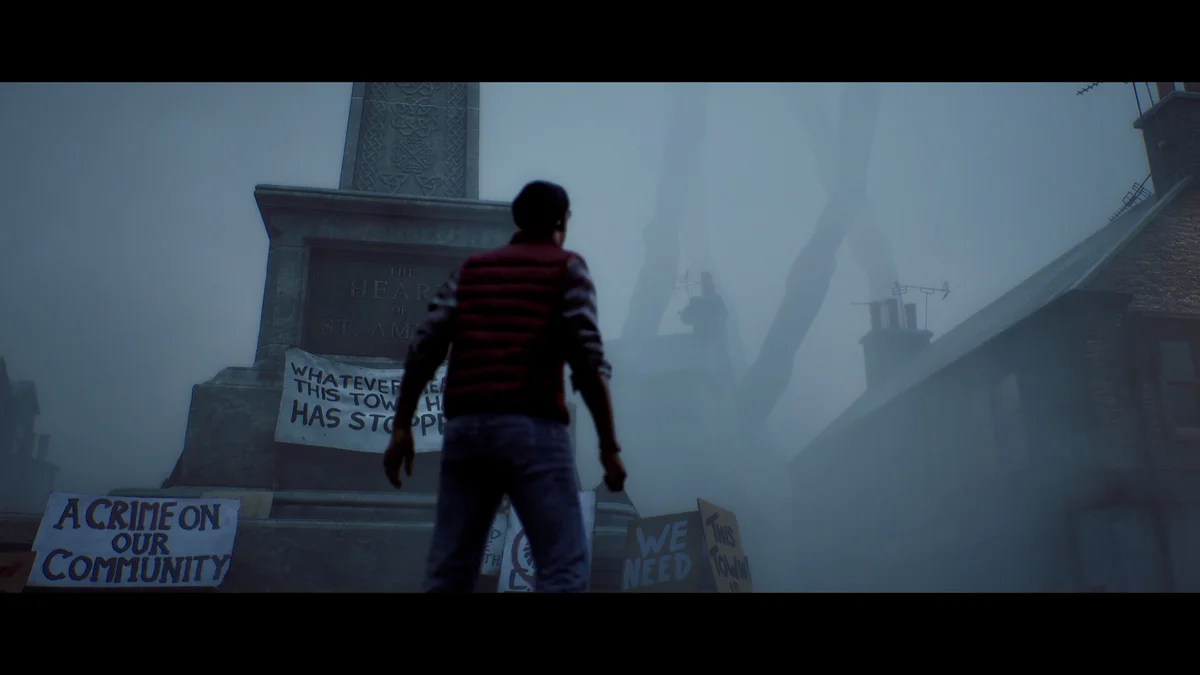
When Konami orchestrated the simultaneous revival of its flagship psychological horror franchise across the globe, the Japanese publisher enforced an unexpected golden rule among its external partners: total secrecy between studios. From Poland to Taiwan and Scotland, none of the development teams knew what their peers were building until the rest of the world found out.
Why Motoi Okamoto Isolated Every Studio to Protect Creative Freedom
Speaking during a panel at MCM London Comic Con, Jon McKellan, founder of Scottish studio Screen Burn Interactive (formerly known as No Code, the team behind Stories Untold and Observation) and creative director on Silent Hill: Townfall, pulled back the curtain on this unusual production philosophy.
To bring its dormant horror series back to life, series producer Motoi Okamoto handed multiple flagship projects to vastly different external teams at the same time: Poland's Bloober Team took on the Silent Hill 2 remake (and is now tackling the original Silent Hill remake), Taiwanese developer NeoBards Entertainment teamed up with writer Ryukishi07 for Silent Hill f, and Screen Burn Interactive partnered with Annapurna Interactive on Silent Hill: Townfall. Yet for a long time, these studios had no idea what the others were doing.
"We found out about a lot of those projects when everyone else did, when they announced them," McKellan revealed, looking back at the initial Silent Hill Transmission showcase. Even after the games were publicly unveiled, Konami made a deliberate effort not to show one studio how the others were progressing.
According to McKellan, that firewall came directly from Motoi Okamoto's vision for the franchise: "Okamoto-san, who is the series producer, was very keen to not let projects influence each other, and not compromise too much." By keeping the teams apart, Konami ensured that ideas, mechanics, and visual motifs would never inadvertently cross over or dilute one another.
Quiet Course Corrections: Only One Monster Design Ever Overlapped
Behind the scenes, only Motoi Okamoto's core internal team at Konami reviewed the builds, scripts, and art direction across every project in the pipeline. Whenever two studios thousands of miles apart drifted toward a similar concept, Konami stepped in quietly without giving away the other studio's secrets.
"They would not necessarily tell us what it was, but just be like: 'there is another thing that is doing something similar, so maybe veer off from that direction,'" McKellan explained. Having Konami quietly monitor the wider slate proved reassuring for the developers, letting them experiment freely knowing a safety net was in place.
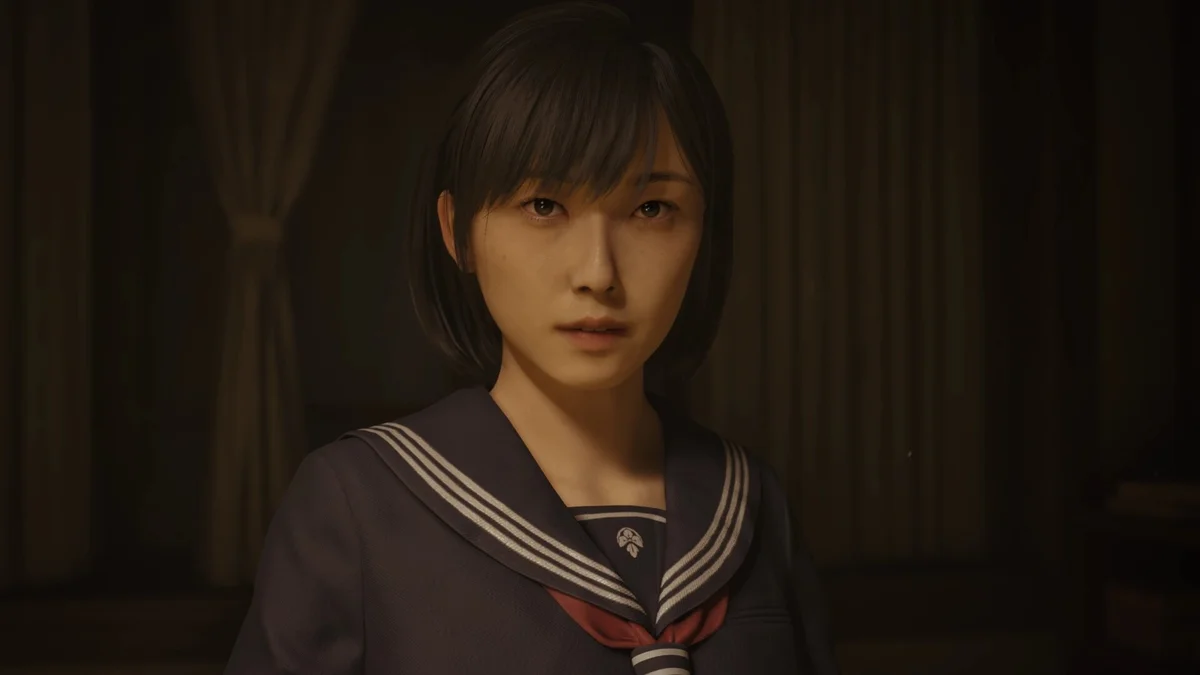
Across the entire development cycle of Silent Hill: Townfall, which recently earned an 80 on Metacritic alongside strong PS5 praise despite Unreal Engine 5 stutters on PC, that intervention only happened once. Konami flagged a single enemy visual design created by Screen Burn Interactive that touched a little too closely on a creature being developed for another Silent Hill project, prompting the Scottish team to pivot to a fresh concept.
An Antidote to Rigid "Marvel Phase" Franchise Planning
Rather than feeling restricted by the secrecy, McKellan and his team, many of whom are lifelong fans of the series, relished being "kept in the dark, in a good way." Not peeking behind the curtain meant they could experience the build-up as genuine fans, only getting a closer look at Silent Hill f a couple of months before its launch and realizing how vastly different the two games were in tone and setting.
More importantly, McKellan noted that Konami's approach spared developers from the rigid corporate synergy that often weighs down modern entertainment franchises: "It was not like a Marvel phase where it would be like 'know your slot and stay within that', we got to be free while we worked."
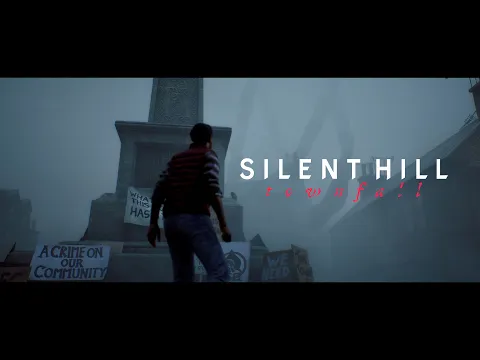
This multi-pronged renaissance has also kept collector demand for Team Silent's original classics at an all-time high. On the retro market, the original Silent Hill 2 on PlayStation 2 currently commands around $66.15 loose and $69.52 complete in box (CIB) for the NTSC release (and over $142.12 CIB for the PAL edition), while factory-sealed copies regularly climb past $186.83.
My Take
When Konami unveiled three separate Silent Hill projects handed off to external studios back in 2022, I honestly worried we were heading toward a homogenized, assembly-line revival where every developer had to check the exact same lore boxes. Looking at the results today, Motoi Okamoto's decision to silo his studios was the smartest creative call Konami has made in twenty years. By rejecting the rigid "Marvel phase" playbook and keeping Bloober Team, NeoBards, and Screen Burn in separate sandboxes, Konami gave each studio room to take genuine risks. Between the oppressive fidelity of the Silent Hill 2 remake, the 1960s Japanese folk horror of Silent Hill f, and the analog Scottish dread of Townfall, keeping these teams in the dark is exactly what kept the fog feeling unpredictable.

SEO consultant for over 20 years and digital entrepreneur, Charles 'Grimtag' Ronchain is the founder of Pro-Gamer.gg, Retrocharting.com, and Gamescharting.com. A competitive gamer, streamer, and retro game collector, he has worked in the video game industry for over 15 years, notably as a consultant for leading game price comparison platforms. Passionate about real-time performance data and gaming technology, he analyzes competitive esports, gaming hardware benchmarks, and creator workflows on Pro-Gamer.gg with an authentic player perspective.