08M Box Office, Zero Impact: Why the New Resident Evil Movie Was Overshadowed by Capcom's Price Cuts
The landmark financial threshold was shattered with authority. Generating over $500 million in gross revenue worldwide, Resident Evil Requiem officially stands as the fastest-selling installment in Capcom's horror history.
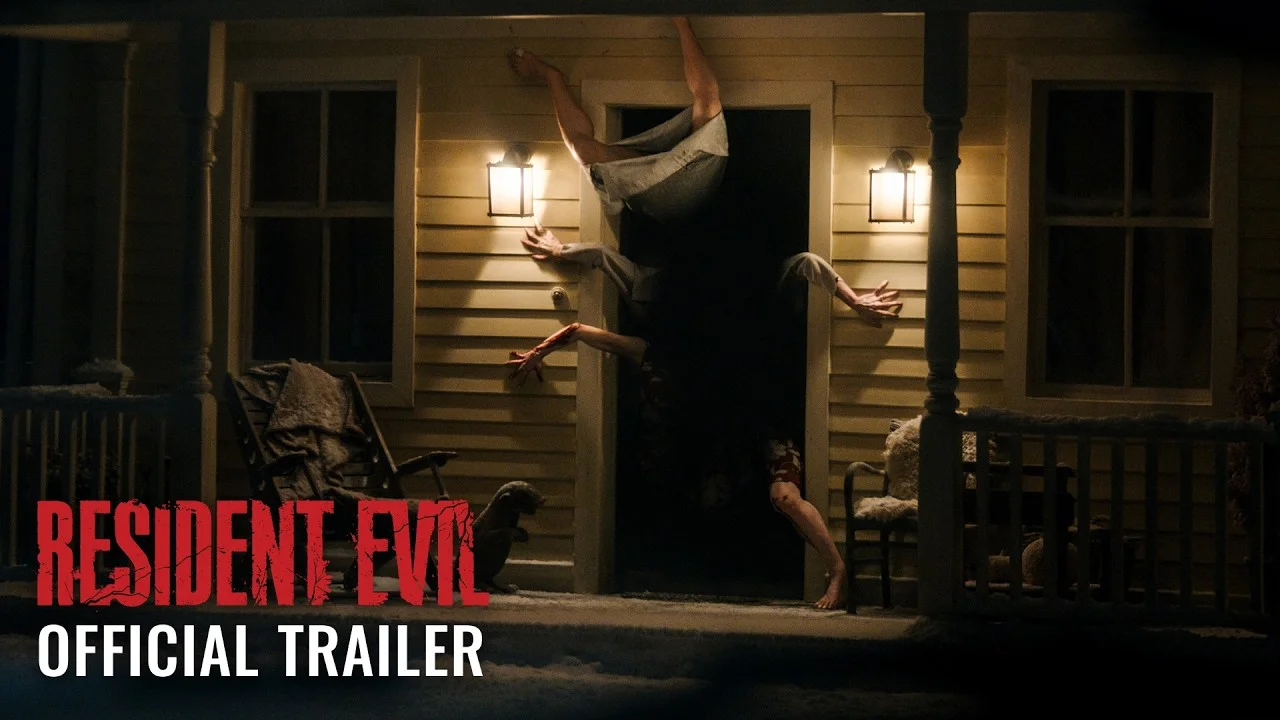
Simultaneously, theatrical box offices ignited. The brand-new cinematic reboot directed by Zach Cregger captured an impressive $108 million opening weekend worldwide, marking the biggest cinematic debut in franchise history.
On paper, conditions seemed tailor-made to showcase the celebrated transmedia multiplier effect. Yet telemetry and sales figures paint an entirely different picture.
The Transmedia Mirage vs Real Telemetry Data
Ever since the breakout television adaptations of The Last of Us and Fallout, entertainment executives have repeated the same playbook. Every dollar deployed on the silver screen is meant to cascade directly into game sales.
In practice, the release of Zach Cregger's film barely moved the needle for Resident Evil Requiem. Audiences rushing into multiplexes simply did not rush home to buy the full-priced $70 flagship game.
Telemetry compiled by Rhys Elliott of market research firm Alinea Analytics punctures the myth. The box office wave failed to produce any meaningful sales surge for the mainline sequel.
The Inverse Effect of Discounts: Daily Revenue Dips
The true growth catalyst did not originate from soundstages, but from pricing spreadsheets in Osaka. Eight days prior to the movie's premiere, Capcom rolled out aggressive promotional price cuts across Steam and the PlayStation Store.
This aggressive discounting ignited unit volume. However, it also triggered a revealing financial dynamic on digital storefronts.
On PlayStation 5, daily average game revenue actually contracted by 4% during the film's premiere weekend, drifting from roughly $284,000 down to $271,000 per day. The modest uptick in buyers failed to offset the lower unit price.
With our recent reporting revealing that Resident Evil Requiem sales on Xbox captured just 8.6% of the global pie compared to 4 million copies on PS5, this revenue dip demonstrates that even on home turf, players respond to price elasticity over Hollywood hype.
Legacy Catalog Triumphs Over Full-Priced Sequels
While the film provided little lift for the $70 sequel, it sparked massive engagement across Capcom's back catalog. Discounted legacy titles absorbed the vast majority of mainstream curiosity.
The Resident Evil 2 remake proved the primary beneficiary. Capitalizing on its iconic Raccoon City setting, daily active players surged by 48% across all platforms.
The Resident Evil 3 remake similarly enjoyed a 25% player spike. Moviegoers inspired by the cinematic terror logically opted for proven, entry-level experiences discounted below $15.
Why a $20 Price Cut Crushes a $100M Movie Budget
This divergence underscores a structural evolution in modern player spending. When discretionary entertainment budgets tighten, a direct $15 to $30 discount triggers immediate purchasing action that a $100 million movie cannot match.
Hollywood can manufacture cultural noise and remind the public that a brand exists. But when closing transactions, the final call happens at the digital checkout line.
Capcom anticipated this dynamic perfectly. By preempting the film with tactical storefront discounts, the publisher maximized catalog monetization while proving a premier video game blockbuster no longer needs Hollywood to surpass half a billion dollars.

SEO consultant for over 20 years and digital entrepreneur, Charles 'Grimtag' Ronchain is the founder of Pro-Gamer.gg, Retrocharting.com, and Gamescharting.com. A competitive gamer, streamer, and retro game collector, he has worked in the video game industry for over 15 years, notably as a consultant for leading game price comparison platforms. Passionate about real-time performance data and gaming technology, he analyzes competitive esports, gaming hardware benchmarks, and creator workflows on Pro-Gamer.gg with an authentic player perspective.