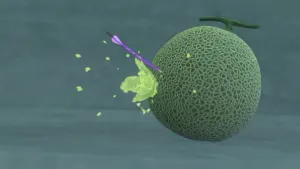
Half-Life 2: Episode Three Source Code Leaks With 600 Portal 2 Beta Maps as Gordon Freeman's Ponytail Mystery Is Solved
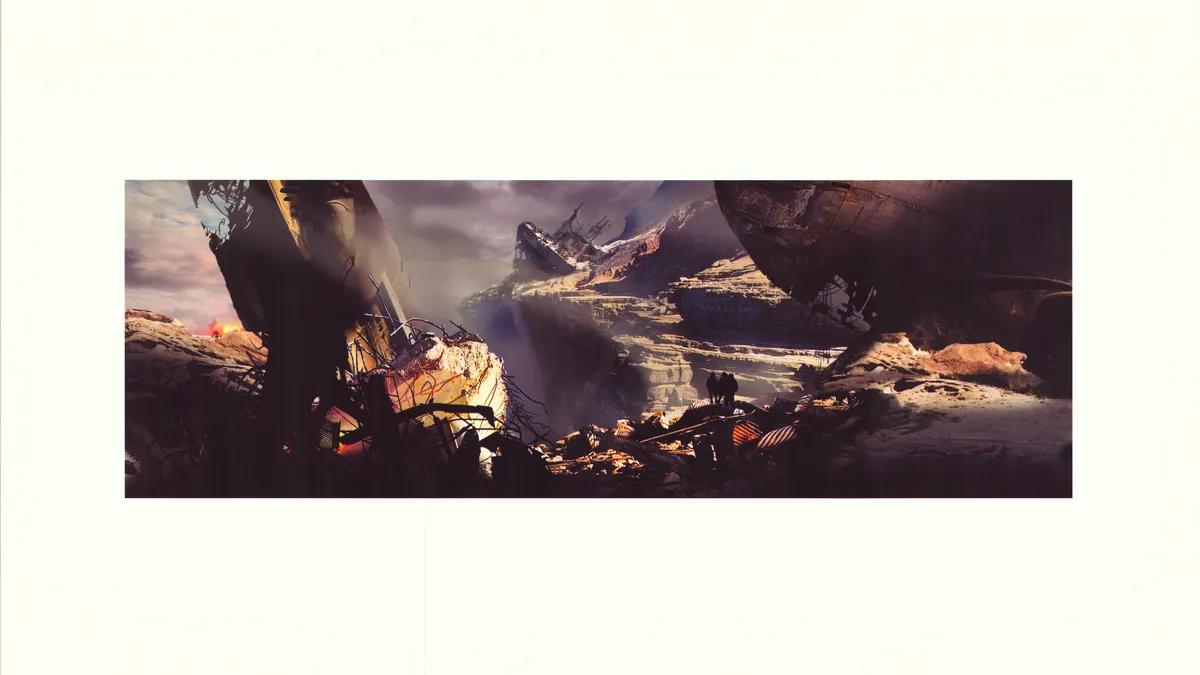
The vaults of Bellevue continue to surrender their long-buried ghosts. Late on November 9, 2026, a community Discord server dedicated to researching the Portal 2 beta lit up with a major archival drop, quickly mirrored across r/GamingLeaksAndRumours and verified by preservation groups at LambdaGeneration and Valve Cut Content. Shared by the same anonymous contributor behind the recent F-Stop map leaks, the package bundles source code fragments and assets from Valve's canceled Half-Life 2: Episode Three, roughly 600 unreleased development maps from Portal 2, and legacy 3D character files that finally settle a twenty-year community debate over Gordon Freeman's hair.
Blobulator, Weaponizer, and the Ice Gun: Inside the Half-Life 2: Episode Three Code
To set expectations straight, this archive does not contain a complete, playable build of the third episodic installment abandoned by Valve after 2007's Episode Two. Instead, the C++ source files, entity definitions, and asset directories stem from internal prototyping iterations dated around 2008, 2012, and 2015, offering a detailed technical blueprint of the experimental mechanics built for Gordon Freeman's trek to the Arctic icebreaker Borealis.
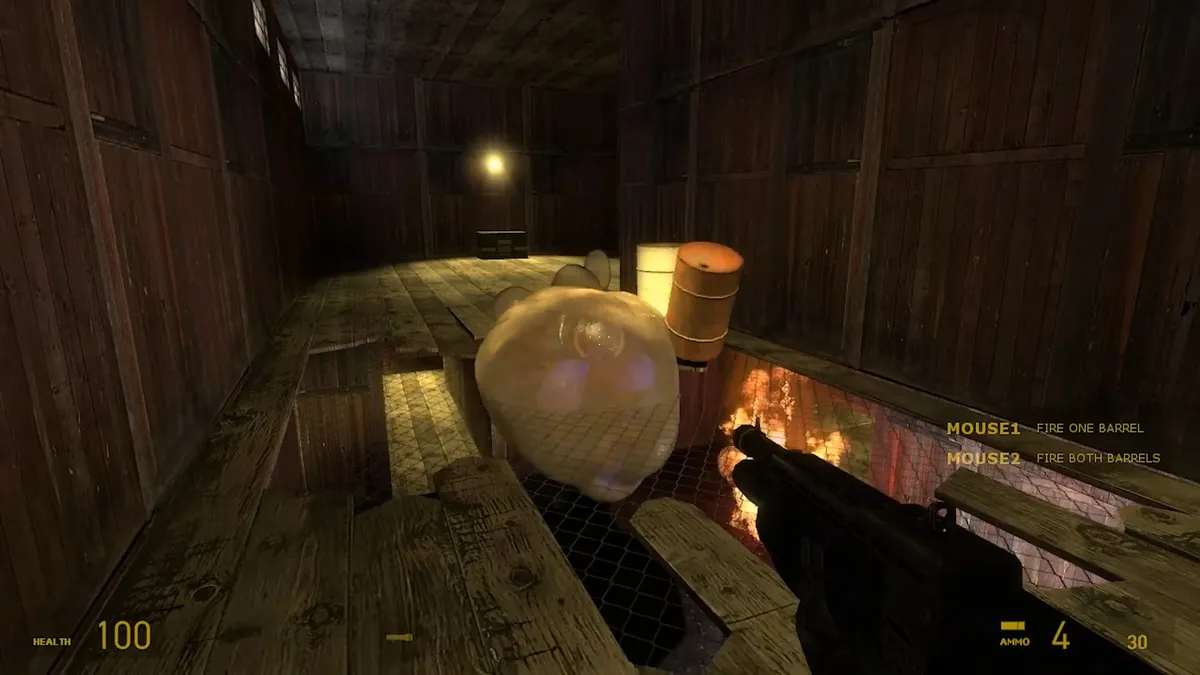
Several flagship gameplay experiments,previously known only through scattered strings or brief footage in Valve's twentieth-anniversary retrospective,are preserved in the leaked code:
- The Blobulator and the Living Liquid Enemy: Built on a real-time particle renderer and isosurface extraction system governed by the Lennard-Jones mathematical potential model (spearheaded by Ken Birdwell's group during Valve's Directed Design Experiments), this amorphous creature used the internal placeholder path
Hydra.mdl, a nod to the cut 2003 Hydra monster. The fluid entity could split apart, flow through narrow grates, take localized damage per individual particle chunk, and interact with the Gravity Gun,laying the exact physics groundwork that later powered the Mobility Gels in Portal 2. - The Weaponizer and the Ice Gun: An experimental modular weapon equipped with tubing designed to absorb and harness environmental materials such as water, fire, flechettes, and explosive modifiers. Companion code also details the Ice Gun, which allowed players to freeze Combine soldiers solid, erect improvised ice walls for tactical cover, or project frozen ramps across Arctic chasms.
- The Cut Antlion King Reference Model: The files also surface early Half-Life 2 production relics, including a 3D reference model for the giant Antlion King boss originally conceived by artist Ted Backman for sprawling underground caverns before elements of its design were scaled down into Episode Two's Antlion Guardian.
Gordon Freeman's 20-Year Ponytail Mystery Solved by the Original Softimage XSI File
Alongside the Episode Three code, a surprising piece of studio history caught the immediate attention of 3D artists and lore historians: the original Softimage XSI project file containing the high-resolution Gordon Freeman character model built for Half-Life 2's 2004 box art and promotional renders. Never publicly released by Valve, this high-poly asset served as the foundation for artist Dhabih Eng's iconic promotional paintovers (with only a heavily downgraded derivative ever appearing in the Japanese arcade spin-off Half-Life 2: Survivor).
Why does inspecting this raw 3D file resolve a two-decade running joke? In the original 1998 Half-Life, Gordon Freeman's early 3D player model famously featured a small ponytail,an inside nod to character animator Chuck Jones, who wore one at the time and was told to model himself. When Half-Life 2 launched in 2004, the strictly first-person campaign contained no third-person player mesh, and every official artwork framed Gordon exclusively from the front or three-quarter profile, hiding the back of his neck. For twenty years, fans joked about the fate of the missing hair,spawning the famous "sellout" ponytail line in Blue Shift and the Black Mesa remake, alongside playful theories that the G-Man gave Gordon a haircut in stasis. Rotating the authentic 2004 Softimage XSI mesh in full 3D finally confirms that the high-definition model had the ponytail cleanly removed from the start.
Nearly 600 Portal 2 Beta Maps and Zero Overlap With Valve's Current HLX Project
The second massive pillar of the Discord drop is a goldmine for level designers. A directory labeled MapSRC houses approximately 600 uncompiled .vmf (Valve Map Format) source files spanning the entire development lifecycle of Portal 2 from October 2007 through March 2011. These editable Hammer maps document discarded puzzle chambers, early narrative drafts, and prototype test rooms where Episode Three's Weaponizer mesh was temporarily repurposed as a handheld Paint Gun to test surface-coating mechanics.
This latest archival wave follows closely behind the massive 12TB Steam2 repository leak that surfaced in late August. Preservationists analyzing the repositories emphasize that these legacy Source 1 files from 2007-2015 have no connection whatsoever to Valve's ongoing Source 2 development efforts, including the HLX codename recently mentioned on a hot mic by two Valve veterans.

My Perspective
Digging through the directory structure of these Orange Box and early Portal 2 files is a masterclass in how Valve's engineering culture operated in the late 2000s. Nothing built inside the Source engine was ever truly wasted: the Lennard-Jones molecular particle math that Ken Birdwell's team engineered to make Episode Three's Blobulator ooze through iron grates became the exact fluid-dynamics backbone for Aperture Science's repulsion and propulsion gels, while the Weaponizer mesh served as a testbed for surface-painting mechanics before the puzzle design locked into place.
Having nearly 600 raw .vmf map files and Gordon Freeman's original Softimage XSI box-art mesh surface in the same week is an extraordinary win for PC gaming preservation. Even though Episode Three remained that frozen Arctic mirage that Marc Laidlaw eventually summarized in his 2017 epistle, being able to inspect the actual C++ logic behind its experimental weapons,and watching a creative roadblock in Half-Life transform directly into the best mechanics of Portal 2,tells us more about Valve's craft than any polished trailer ever could.

Based on the outskirts of New York City, Chaya 'Chayane' spent five years studying software engineering in Montreal before returning to her home state. A Full-Stack developer and Deep Learning AI architecture researcher, she explores neural networks and algorithmic optimization while engineering data pipelines for Retrocharting and Gamescharting alongside Grimtag. A gamer for over 20 years and an avid collector of Nintendo history and The Legend of Zelda, she explored World of Warcraft's Azeroth before bringing her deep technical background to video game analysis.