Genshin Impact Developer Wins Landmark $100K Lawsuit Against Unauthorized AI Voice Cloning
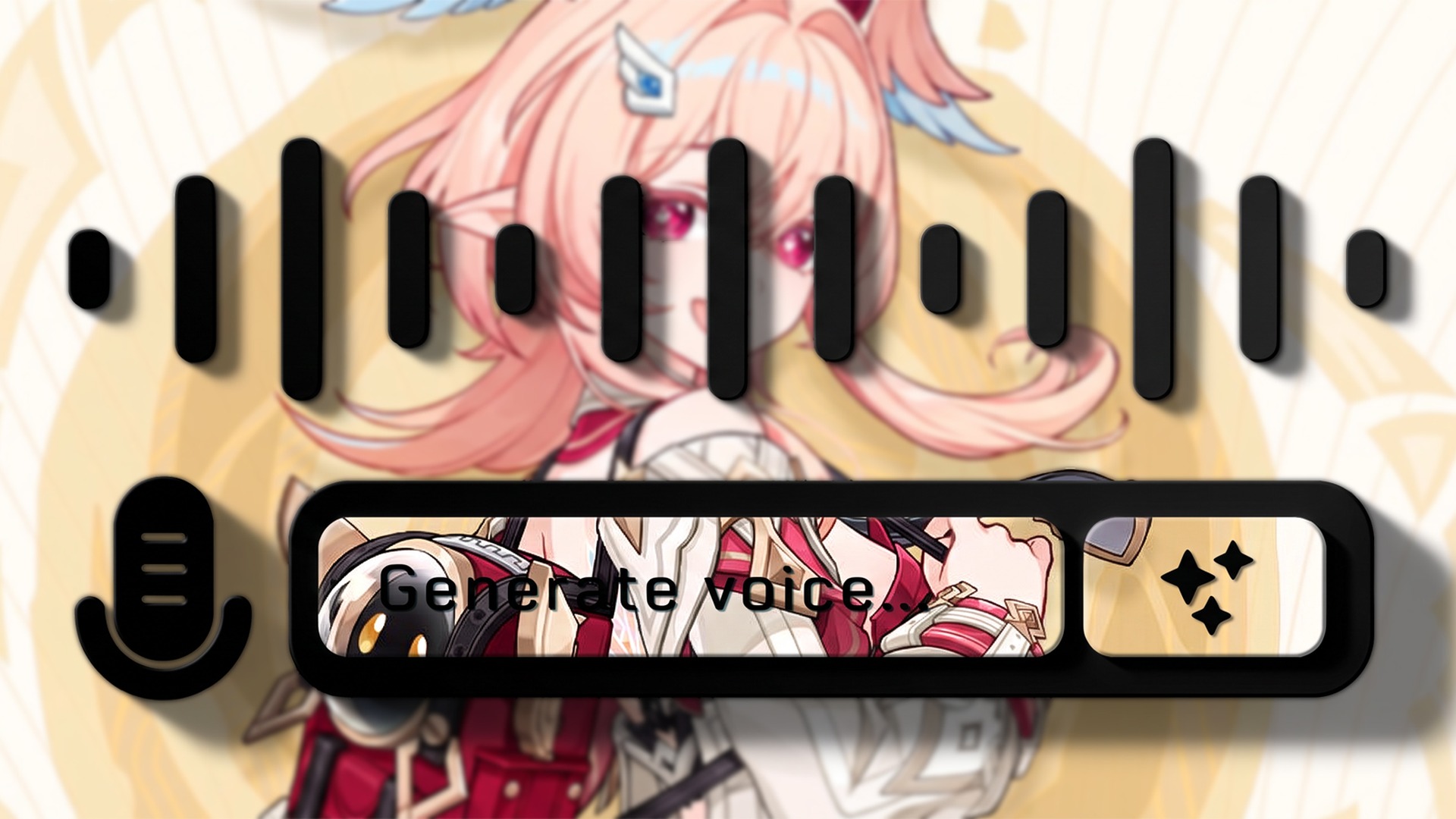
In a decisive ruling that establishes a major legal precedent for generative technology in gaming, HoYoverse, the developer behind Genshin Impact, has secured a landmark court victory against an artificial intelligence software company. The defendant was ordered to pay over $100,000 in statutory damages for scraping, cloning, and commercially distributing character voice models without authorization.
This decision represents one of the first successful international copyright lawsuits holding AI platforms directly liable for training speech-synthesis models on extracted video game voice files.
Commercial Scraping Put on Trial
The offending firm operated commercial web services allowing paying subscribers to generate synthesized speech mimicking famous Genshin Impact characters, including Paimon, Zhongli, and Raiden Shogun. These synthesized voice clips were frequently deployed in third-party social media campaigns, automated channels, and unauthorized commercials.
HoYoverse's legal counsel presented a dual-pronged argument that prevailed in court: direct copyright infringement regarding the proprietary audio assets extracted from game archives, and the violation of the voice actors' fundamental publicity rights and professional likeness.
"This judgment sends an unmistakable warning across the tech sector: ripping audio assets from game files to train commercial AI speech engines is not fair use—it is unlawful appropriation."
Vital Protection for Voice Talent and Creators
The timing of this ruling is particularly consequential as voice actor unions, including SAG-AFTRA, continue high-stakes labor negotiations regarding AI protections in interactive media. Performers across the gaming and entertainment sectors have expressed widespread alarm over contracts that could allow studios or third parties to synthesize their vocal work indefinitely without residuals.
By establishing enforceable liability for vocal deepfakes and non-consensual voice extraction, the ruling provides critical legal standing for casters, esports commentators, streamers, and voice artists seeking to safeguard their vocal identity from predatory cloning.
The New Standard for AI Training Compliance
As major game studios explore generative tools to streamline narrative pipelines and dynamic NPC dialogue, this court victory reinforces that input datasets must be rigorously licensed and audited. Moving forward, AI developers will no longer be able to hide behind technological novelty to justify blatant intellectual property theft.

SEO consultant for over 20 years and digital entrepreneur, Charles 'Grimtag' Ronchain is the founder of Pro-Gamer.gg, Retrocharting.com, and Gamescharting.com. A competitive gamer, streamer, and retro game collector, he has worked in the video game industry for over 15 years, notably as a consultant for leading game price comparison platforms. Passionate about real-time performance data and gaming technology, he analyzes competitive esports, gaming hardware benchmarks, and creator workflows on Pro-Gamer.gg with an authentic player perspective.