Surveying Players From Diablo 1 to Diablo 4: Why Path of Exile Creator Chris Wilson Worries Diablo 5 Will Go Too Broad
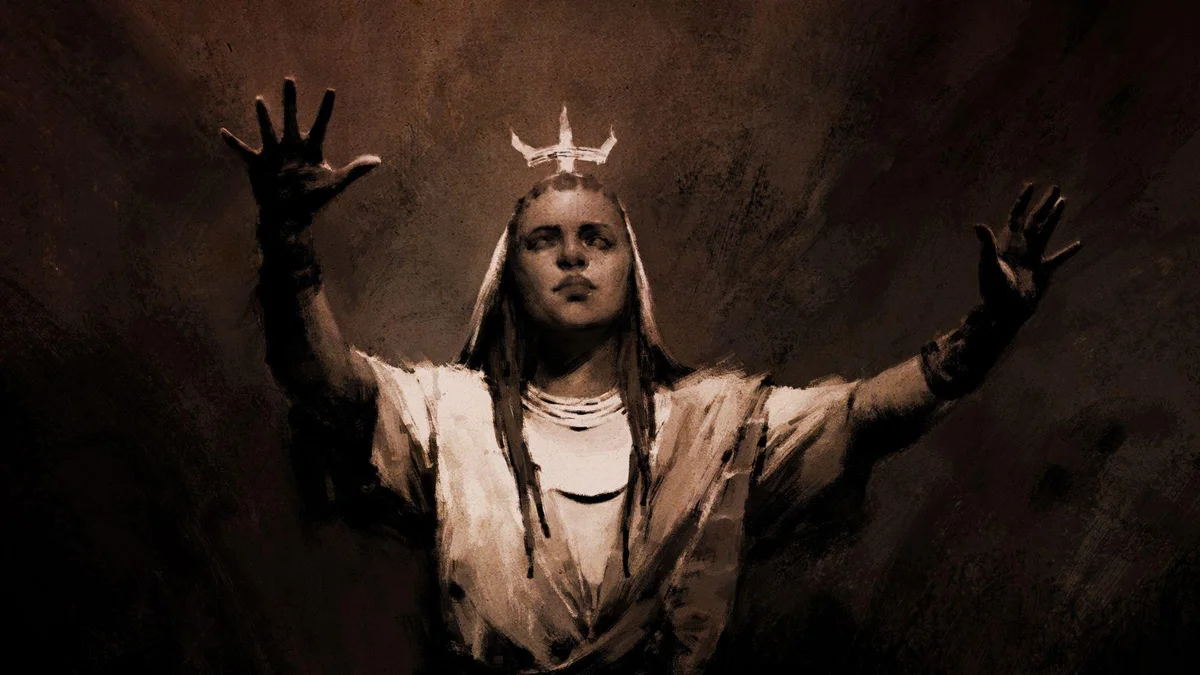
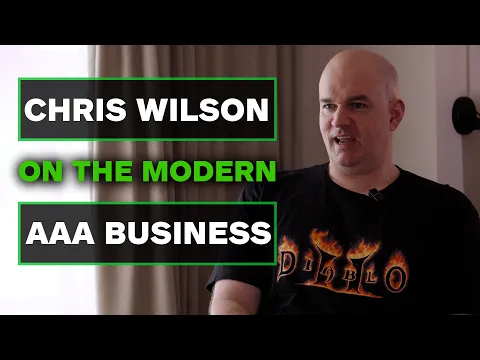
Speaking on the sidelines of ExileCon 2026 in Auckland, New Zealand, just weeks ahead of the December 11 launch of Path of Exile 2 version 1.0, Chris Wilson sat down for a candid 34-minute interview with journalist and content creator Destin Legarie. Now stepped back from day-to-day operations at Grinding Gear Games and leading his own independent studio, Light Pattern, the Path of Exile co-creator shared a pointed warning regarding Blizzard's early direction for Diablo 5.
While the New Zealand designer remains genuinely optimistic about the bleak gothic tone, procedural generation callbacks, and heavy Diablo II visual cues teased at BlizzCon 2026, one specific remark from Blizzard leadership caught his attention: the studio's stated effort to survey players across every entry from Diablo 1 through Diablo IV to shape the upcoming sequel.
From Diablo 1 to Diablo IV: Four Generations With Mutually Exclusive Desires
Wearing a classic Diablo II t-shirt throughout the conversation, Chris Wilson pointed out a historical nuance that often gets lost when treating the thirty-year-old franchise as a single monolith. Across four mainline installments, Blizzard has cultivated vastly different player bases whose core expectations frequently clash.
As Wilson noted, the original 1996 retail box for Diablo 1 did not even use the term "Action RPG," labeling the title simply as an RPG built around slow, atmospheric, horror-driven dungeon crawling. Four years later, Diablo II described itself as an "RPG with action and adventure," and it was not until the 2001 expansion box for Diablo II: Lord of Destruction that Blizzard printed the phrase "Action RPG" for the very first time.
With Diablo III leaning into high-speed arcade combat and Diablo IV adopting a shared open-world live-service framework, asking fans of all four eras what they want out of Diablo 5 creates an immediate design dilemma:
"This means that when you survey Diablo players and say, 'What would you like in a Diablo 5? How can we get you to play it?' you're going to get many different answers, and I worry that some of these answers might be slightly mutually exclusive. I'm optimistic by what they showed because there's heavy Diablo II signaling, and that's really cool. I just would urge caution of, it's OK to not appeal to every Diablo player as long as the product that's made is really fun for the core audience you're targeting. That's my one worry, really, that they go a bit too broad. There's a saying: if you make a game for everyone, you make a game for no one."
The Terror Zone Trap and the Philosophy Behind Light Pattern
According to Wilson, the industry-wide impulse to design games for everyone stems directly from runaway Western AAA development budgets. When a studio spends between $300 million and $500 million on a single release, executives must chase a billion-dollar return and satisfy shareholder demands for 8% year-over-year revenue growth. That spreadsheet pressure inevitably forces single-player concepts into live-service molds or introduces aggressive retention hooks.
Pushing back against those industry "dark patterns" is the exact reason Wilson named his new boutique studio Light Pattern. During the interview, he illustrated how easily modern design can slip into unhealthy territory by pointing to Diablo II: Resurrected. While praising the remaster as an amazing game, he highlighted the unintended side effects of its Terror Zones, which boost monster levels and loot drops in rotating areas every 30 to 60 minutes based on real-world clock time:
- Unscheduled Freedom in Classic ARPGs: When playing the original Diablo II growing up, real-world schedules never mattered. Skipping a day or logging in at odd hours carried zero structural penalty beyond the time not spent playing.
- When Real-World Clocks Create Friction: Even without any monetization motive from Blizzard, tying optimal loot zones to an hourly real-world schedule bleeds into daily life. Players check rotation trackers, realize the best zone goes live at 2:00 p.m. right when they need to drop off their kids, and experience real-life tension and fear of missing out (FOMO).
- The Light Pattern Alternative: Instead of real-time timers or 48-to-72-hour competitive races that force players to sacrifice sleep or share accounts, Wilson advocates tying boosted zones to internal gameplay progression, such as clearing a set number of standard areas to unlock a high-tier zone on the player's own schedule.
At Light Pattern, Wilson has insulated his team from corporate compromises by remaining the company's sole shareholder permanently, ensuring no outside investors can mandate quarterly growth targets over game quality. Looking ahead to December 11, the Grinding Gear Games co-founder also revealed that he has deliberately avoided playing recent builds of Path of Exile 2 for years so he can experience Jonathan Rogers' 1.0 launch completely fresh as a player, while admitting that trying the sequel's move-and-shoot controller and WASD setup convinced him the control scheme is strictly superior for ranged classes.
My Field Notes
Charles "Grimtag"s Take: Listening to Chris Wilson dissect Blizzard is always a treat because he speaks both as a lifelong Diablo II devotee and as a studio founder who spent nearly two decades running a massive live-service ARPG. His warning about multi-generational player surveys hits the nail on the head. When a publisher pours hundreds of millions of dollars into a flagship tentpole targeting 2029, the corporate instinct is to check every box on a focus-group sheet. Yet great hack-and-slash games thrive on friction and strong identity. Trying to blend the claustrophobic horror of 1996, the ruthless item hunt of 2001, and the frictionless accessibility of modern seasonal play into one survey-approved package is the fastest way to sand off everything that makes Sanctuary memorable.
Maëlle "Kaelen"s Analysis: What stood out to me most is how clearly Wilson pinpointed the hidden cost of real-time timers through Diablo II: Resurrected's Terror Zones. Having spent hundreds of hours theorycrafting endgame builds, watching modern ARPGs replace player-driven pacing with hourly server alarms has been exhausting. Letting players trigger high-level zone modifiers through their own dungeon clears rather than a 2:00 p.m. real-world clock respects both hardcore grinders and adults with responsibilities. Between Wilson's "Light Pattern" philosophy, Path of Exile 2's 1.0 arrival in December, and Blizzard's push toward a darker Diablo 5, the genre is having the exact design debate it needed.
Diablo 5
Explore official trailers, technical specs and all latest coverage for Diablo 5.

Originally from Lyon, France, gaming journalist Bastien "Orion" relocated nearly a decade ago to Quebec City's Saint-Roch district, right in the heart of eastern Canada's development studio hub. Before crossing the Atlantic, he honed his versatile reporting style across classic French gaming web portals and specialist television outlets in the 2000s and 2010s, notably with JeuxVideo.fr and JeuxNews. Equally passionate about AAA blockbusters, North American studio culture, retro preservation, and community modding projects, he anchors Pro-Gamer's transatlantic desk and real-time coverage of US and Japanese industry announcements.