86% of System Libraries Reached: How AnyPS5 Runs PlayStation 5 Games Natively on PC Without Emulation
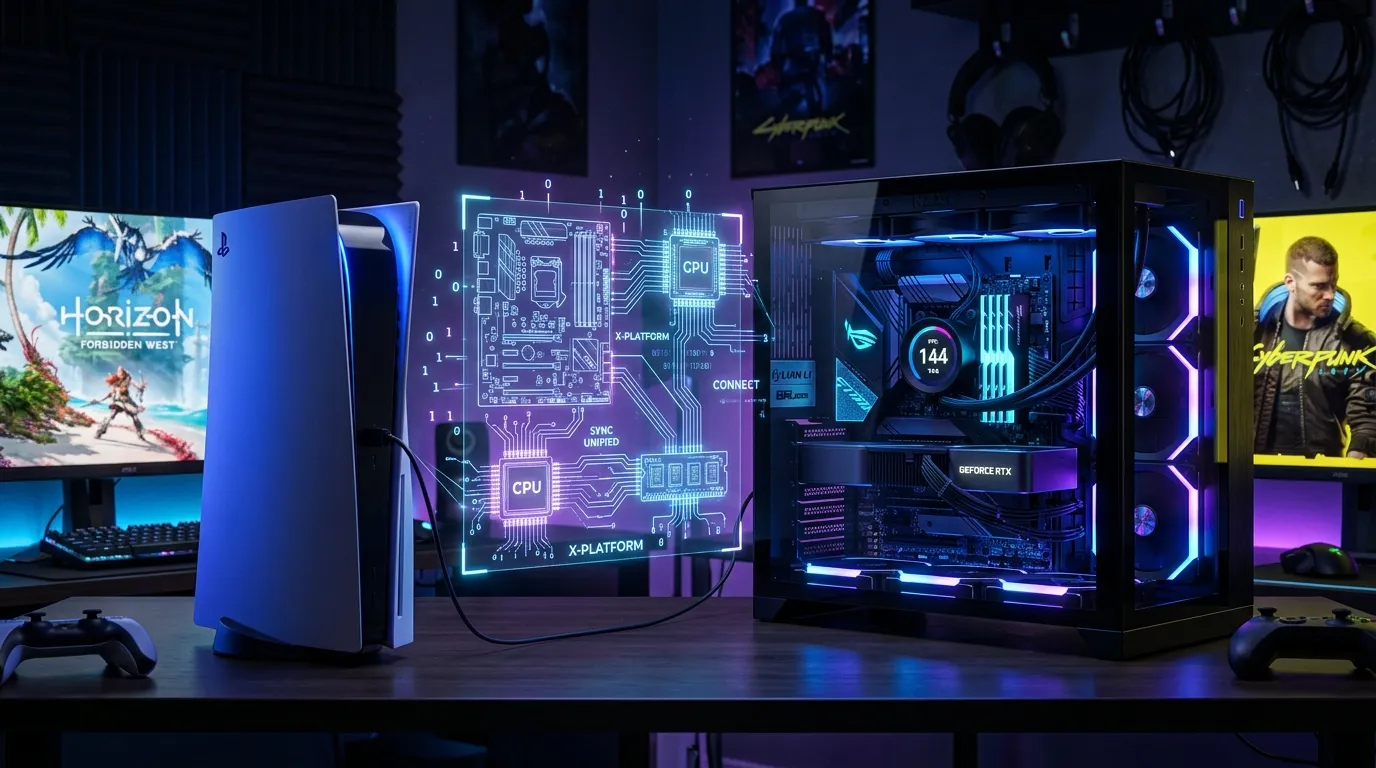
Running PlayStation 5 software on a Windows PC without waiting a decade for a demanding hardware emulator. That is the technical breakthrough achieved by the open-source team behind AnyPS5.
By bypassing conventional hardware virtualization, this innovative tool launches PS5 binaries directly as native desktop applications.
The AMD Zen 2 Architecture Makes CPU Emulation Obsolete
To understand how this is possible, one must look at the console's internal silicon. Unlike the PlayStation 3 with its famously convoluted Cell Broadband Engine, Sony's modern machine is powered by an AMD Zen 2 x86-64 processor.
Because this CPU instruction set is fundamentally identical to standard desktop PC hardware, there is zero need to emulate central processor instructions. This completely eliminates the heaviest computing bottleneck found in traditional emulation.
The centerpiece of AnyPS5 is its dedicated binary relinker. This specialized utility reads the console's native ELF executable files and translates them directly into standard Windows PE executables.
The engineering philosophy mirrors Valve's Proton compatibility layer, successfully executing foreign binaries by adapting system interfaces rather than simulating silicon.
86% of Sony System Libraries Already Reimplemented
The true technical challenge lies in the software ecosystem rather than raw processing power. For a console title to function on PC, every system call must find an equivalent response.
The development team has reached a critical milestone by reimplementing 86% of known PlayStation 5 system libraries as custom Windows dynamic link libraries.
The graphics pipeline has made equally impressive progress. The project has mapped 100% of identified GPU shader instructions from the console's customized RDNA 2 architecture.
These graphics instructions are automatically converted into SPIR-V intermediate code, allowing modern graphics cards to process them efficiently through the Vulkan API.
Dead Cells Running at 60 FPS as a Working Proof of Concept
To demonstrate their architecture in practice, the developers showcased a remarkable live milestone.
The PlayStation 5 version of Dead Cells: Return to Castlevania Edition (Title ID: PPSA15552) now executes smoothly at 60 frames per second on Windows.
The game launches directly like a standard PC program, delivering full responsiveness with no emulation translation penalty.
The creators emphasize that AnyPS5 remains an experimental research framework. Major AAA blockbusters rely on vastly more intricate proprietary subsystems, such as Sony's Tempest 3D audio engine and custom SSD decompression pipelines.
The Shrinking Divide Between Consoles and Desktop PCs
From a legal and technical standpoint, the project maintains strict open-source boundaries. No proprietary Sony code or copyrighted game assets are included, requiring users to supply their own legally decrypted game files.
This achievement highlights how contemporary living room consoles have effectively become specialized personal computers wrapped in bespoke operating systems.
The historical hardware boundary separating home consoles from PC gaming is rapidly dissolving into a software compatibility puzzle that independent developers continue to solve.
Opinion: Why Sony's Push Away From Physical Discs Is Fueling the PC Underground
The explosive momentum behind projects like AnyPS5, the native PC port of God of War 3 Remastered, and the recent breakthroughs on Bloodborne is no mere coincidence.
By aggressively steering the PlayStation ecosystem toward an all-digital future (selling disc-less consoles at premium prices, limiting optical drive availability, and gating legacy classics behind recurring subscription tiers), Sony has triggered a massive preservation response.
In a closed digital walled garden, players no longer truly own their games. The moment servers go dark or publishing licenses expire, access is revoked overnight.
In contrast, the open PC platform stands as the ultimate digital sanctuary. It represents the only ecosystem where a hardware manufacturer cannot remotely delete your library.
By adopting standard AMD x86 architecture to lower hardware costs, Sony unintentionally built the ultimate bridge to desktop systems. Independent developers are no longer waiting for official ports: they are actively emancipating PlayStation classics on PC to ensure this gaming heritage survives forever.

SEO consultant for over 20 years and digital entrepreneur, Charles 'Grimtag' Ronchain is the founder of Pro-Gamer.gg, Retrocharting.com, and Gamescharting.com. A competitive gamer, streamer, and retro game collector, he has worked in the video game industry for over 15 years, notably as a consultant for leading game price comparison platforms. Passionate about real-time performance data and gaming technology, he analyzes competitive esports, gaming hardware benchmarks, and creator workflows on Pro-Gamer.gg with an authentic player perspective.