Zelda: Breath of the Wild Runs at 4K on PlayStation 5: The Ultimate Twist in Nintendo's War on Emulators
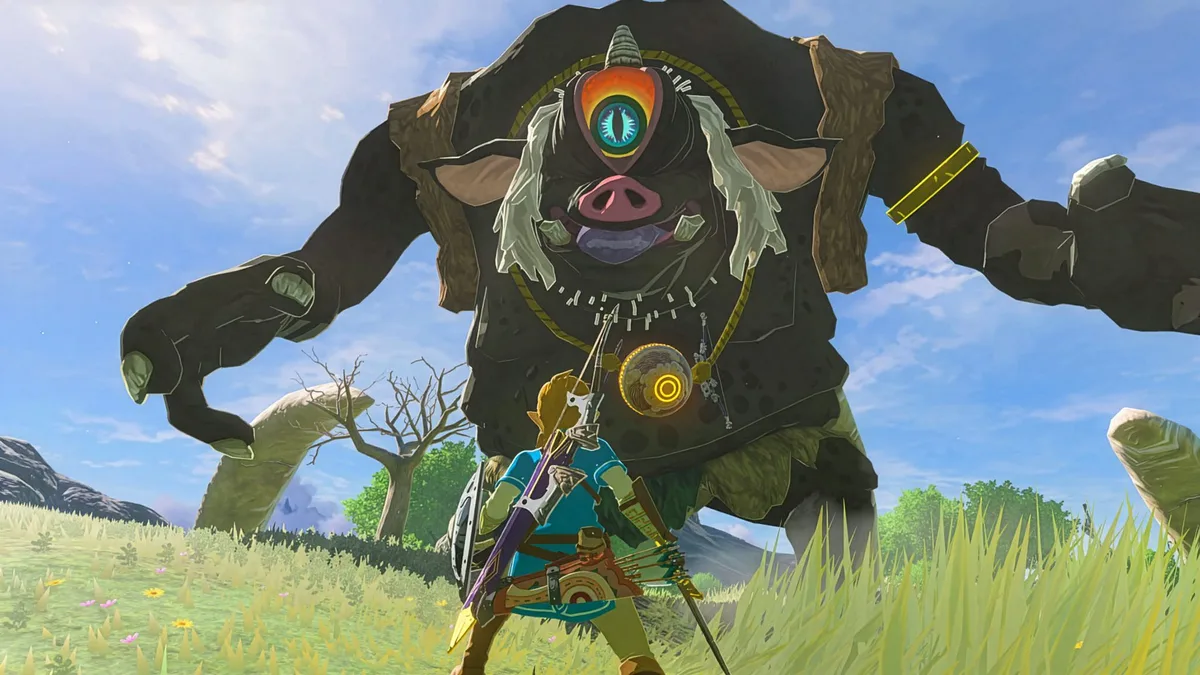
Nintendo believed it had locked down its first-party catalogue by taking down leading Nintendo Switch emulators in court. Yet the homebrew scene just delivered one of the most ironic milestones of modern console history: The Legend of Zelda: Breath of the Wild is now playable at native 4K resolution on a jailbroken PlayStation 5.
Seeing Link traverse the plains of Hyrule on Sony's flagship console is a sight few gamers ever expected to witness on real hardware. It proves once again that aggressive legal crackdowns rarely stop open-source developers from pushing hardware boundaries.
PS5CEMU-HAR and Mihawk's Vulkan RADV Driver Deliver Native 4K
This technical breakthrough comes courtesy of an open-source homebrew project called PS5CEMU-HAR. The application bundles two major emulators into a streamlined interface: the renowned Cemu x64 recompiler for Wii U and Azahar for Nintendo 3DS.
Under the hood, the emulator taps directly into the PlayStation 5 GPU via Vulkan. This direct graphics rendering is powered by developer Mihawk's dedicated PS5 port of the AMD RADV driver, allowing the console to process shaders with impressive stability.
Controls are mapped natively to Sony's DualSense gamepad, delivering full analog accuracy. The Wii U version of the adventure outputs at a crisp 3840x2160 resolution with upscaling filters and 120 Hz display support, alongside full compatibility for community graphics packs, updates, and official DLC.
While gameplay currently runs at the native 30 frames per second locked by the original Wii U engine, the image clarity and foliage density on a 4K display blow the original Nintendo Switch output out of the water.
Kyoto's Legal Headache Lands on Sony's Silicon
This achievement arrives amid Nintendo's fiercest anti-emulation campaign in years. The company recently forced the shutdown of Yuzu and pressured Ryujinx out of development, all while securing multi-million dollar judgments against piracy networks.
Yet as PC emulation faces heavy legal scrutiny, Nintendo's crowning masterpiece has found an unexpected sanctuary right inside Sony's gaming machine. The historical irony is impossible to ignore: back in 1991, Nintendo and Sony planned to jointly release the original "Play Station" CD add-on for the Super Nintendo, before Nintendo abruptly walked away from the deal.
Thirty-five years later, Link is exploring Hyrule directly on Sony silicon. Nintendo can issue cease-and-desist letters across the globe, but community engineers will always find a way to make code breathe, even if it means bringing the Triforce into rival territory.

SEO consultant for over 20 years and digital entrepreneur, Charles 'Grimtag' Ronchain is the founder of Pro-Gamer.gg, Retrocharting.com, and Gamescharting.com. A competitive gamer, streamer, and retro game collector, he has worked in the video game industry for over 15 years, notably as a consultant for leading game price comparison platforms. Passionate about real-time performance data and gaming technology, he analyzes competitive esports, gaming hardware benchmarks, and creator workflows on Pro-Gamer.gg with an authentic player perspective.