Killzone, Sly Cooper, and Ape Escape: Why Sony Is Finally Opening Its Classic PlayStation IPs to Third Parties
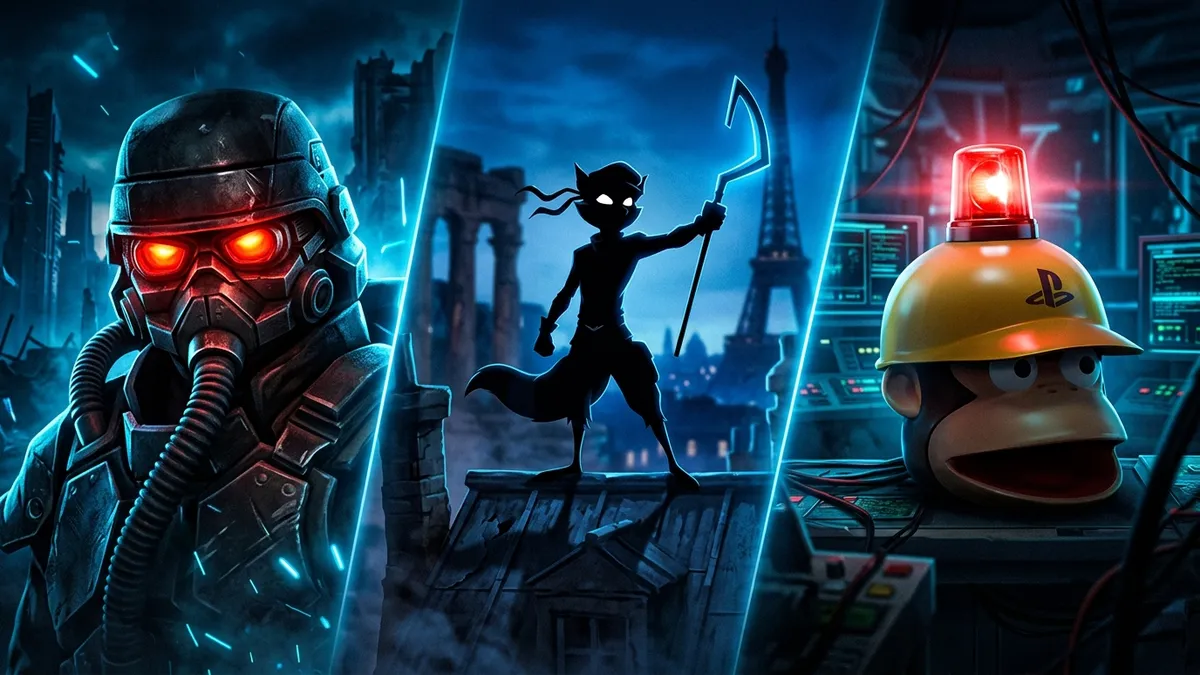
For years, watching iconic franchises like Sly Cooper, Killzone, and Ape Escape gather dust in Sony's vault left longtime fans baffled. Behind closed doors, that stubborn stance is finally beginning to crack.
According to multiple insider reports and developer discussions circulating across the gaming community, Sony Interactive Entertainment has officially opened the floor to third-party pitch meetings. The goal is straightforward: license dormant first-party intellectual properties to proven external studios.
Vaulted Legends Stuck in Development Limbo
PlayStation's legacy catalogue is packed with genre-defining universes that established the brand across previous console generations. Yet, from Sucker Punch's stealth platformer to Guerrilla Games' gritty Helghan frontlines, these legendary series have remained silent for over a decade.
Player demand never vanished, but internal studio bandwidth did. Fan-favorite franchises such as inFAMOUS, Resistance, MotorStorm, and Jak and Daxter were effectively parked in limbo as resources shifted elsewhere.
The Trap of $250 Million Blockbusters
This strategic pivot is driven by hard production realities. Sony's premier internal teams, including Naughty Dog, Guerrilla, and Santa Monica Studio, are fully tied up with massive marquee projects.
Building blockbusters like Ghost of Yotei or Marvel's Wolverine now demands five to seven years of uninterrupted development alongside budgets easily topping $200 to $250 million. These protracted cycles create massive release gaps between major first-party tentpoles.
As pointed out by former PlayStation boss Shawn Layden, unsustainable development budgets limit creative risk-taking and leave platform holders with little room to maneuver.
The Supervised Outsourcing Playbook
To break this logjam, Hermen Hulst and PlayStation Studios leadership are turning toward a collaborative playbook. Sony funds, oversees, and publishes the titles while trusting specialized independent studios to handle active development.
Crucially, original franchise stewards are slated to serve as creative advisors. Guerrilla Games, for instance, could provide direct guidance on narrative and art direction for any prospective Killzone revival without pulling staff away from its mainline roadmap.
Filling the Release Void Ahead of PlayStation 6
Contracting trusted external developers allows Sony to greenlight medium-scale titles that deliver focused, memorable single-player campaigns without runaway budgets. Gamers receive a more diverse release schedule rather than enduring multi-year droughts between giant open-world epics.
With hardware transitions looming ahead for the upcoming PlayStation 6, re-energizing classic franchises provides crucial momentum. Keeping beloved worlds locked away makes zero commercial sense when capable studios are ready to bring them back to life.

SEO consultant for over 20 years and digital entrepreneur, Charles 'Grimtag' Ronchain is the founder of Pro-Gamer.gg, Retrocharting.com, and Gamescharting.com. A competitive gamer, streamer, and retro game collector, he has worked in the video game industry for over 15 years, notably as a consultant for leading game price comparison platforms. Passionate about real-time performance data and gaming technology, he analyzes competitive esports, gaming hardware benchmarks, and creator workflows on Pro-Gamer.gg with an authentic player perspective.