Mobile Esports: Why Is Europe Still Shunning Competitive Smartphone Gaming?
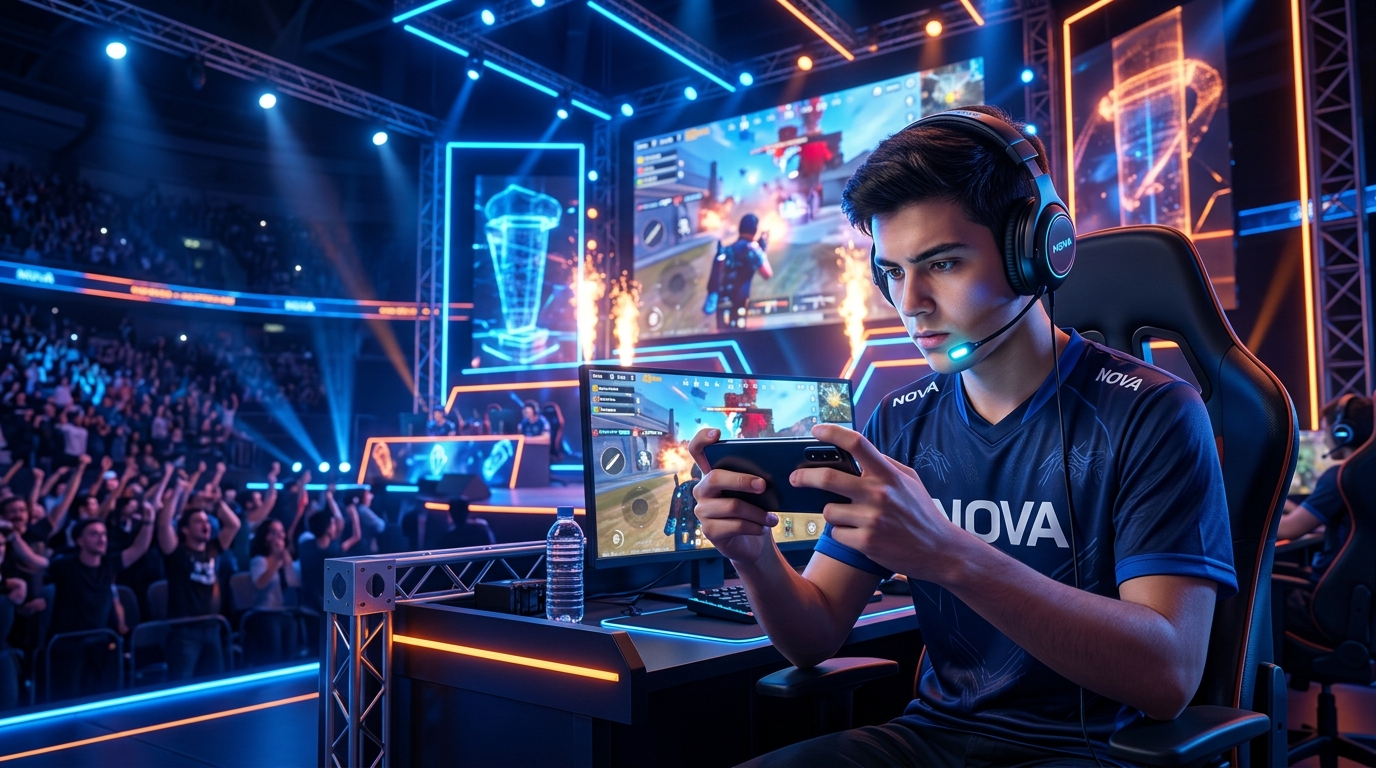
While Asia fills massive stadiums to cheer on champions in PUBG Mobile and Honor of Kings, European audiences remain overwhelmingly loyal to PC monitors and living room consoles. This cultural divide creates a fascinating paradox for the future of mobile esports across the continent, where smartphones still struggle to earn mainstream competitive respect.
The Cultural Chasm: Mobile-First Asia vs. PC-Centric Europe
In powerhouse markets like China and Indonesia, the smartphone is the primary gateway to the internet and competitive gaming, driving 43.6% of the global esports market share. Blockbusters like PUBG Mobile have surpassed $8 billion in lifetime player spending, fueled by professional leagues offering player salaries rivaling traditional sports.
By contrast, Europe holds onto a storied gaming tradition centered around PCs and home consoles, which still control more than 52% of the continent's competitive market share. For European gamers, phone gaming is still broadly viewed as a casual distraction rather than a serious, skill-demanding competitive discipline.
Brawl Stars: The Standout Exception in Europe
In the middle of this mobile desert, Supercell pulled off a masterclass with Brawl Stars, racking up over 370 million registered players and $2 billion in revenue. The game established itself as Europe's lone unifying mobile esport, backed by an official competitive circuit awarding more than $15.9 million in cumulative prize money.
For European esports organizations, it often represents the only profitable mobile title worth investing in for talent recruitment. If you are looking to launch your own competitive roster, check out our comprehensive Brawl Stars Esports team and pro player guide to build your project.
Technical Hurdles and Revenue Opportunities for Competitors
One of the primary roadblocks for competitive gamers is touchscreen controls, widely seen as less precise than mechanical keyboards or ergonomic gamepads. To bypass this limitation, many competitors turn to physical accessories, as highlighted in our roundup of the best controller-compatible mobile esports games.
Despite these barriers, the rollout of ultra-low latency 5G and falling hardware barriers are opening fresh professional avenues for creators. Carving out an early presence in this underutilized European market offers a major opportunity for streamers and video creators seeking high-engagement audience niches.
What do you think: will mobile esports ever conquer Europe, or will the PC remain the undisputed king of competitive gaming? Drop your thoughts in the comments below. Game on, and see you soon on pro-gamer.gg!

SEO consultant for over 20 years and digital entrepreneur, Charles 'Grimtag' Ronchain is the founder of Pro-Gamer.gg, Retrocharting.com, and Gamescharting.com. A competitive gamer, streamer, and retro game collector, he has worked in the video game industry for over 15 years, notably as a consultant for leading game price comparison platforms. Passionate about real-time performance data and gaming technology, he analyzes competitive esports, gaming hardware benchmarks, and creator workflows on Pro-Gamer.gg with an authentic player perspective.