Talks With Lisa Su, 15 Client Fixes, and Imminent 14A 0.9 PDK: Inside Intel CEO Lip-Bu Tan's Pitch to Court AMD
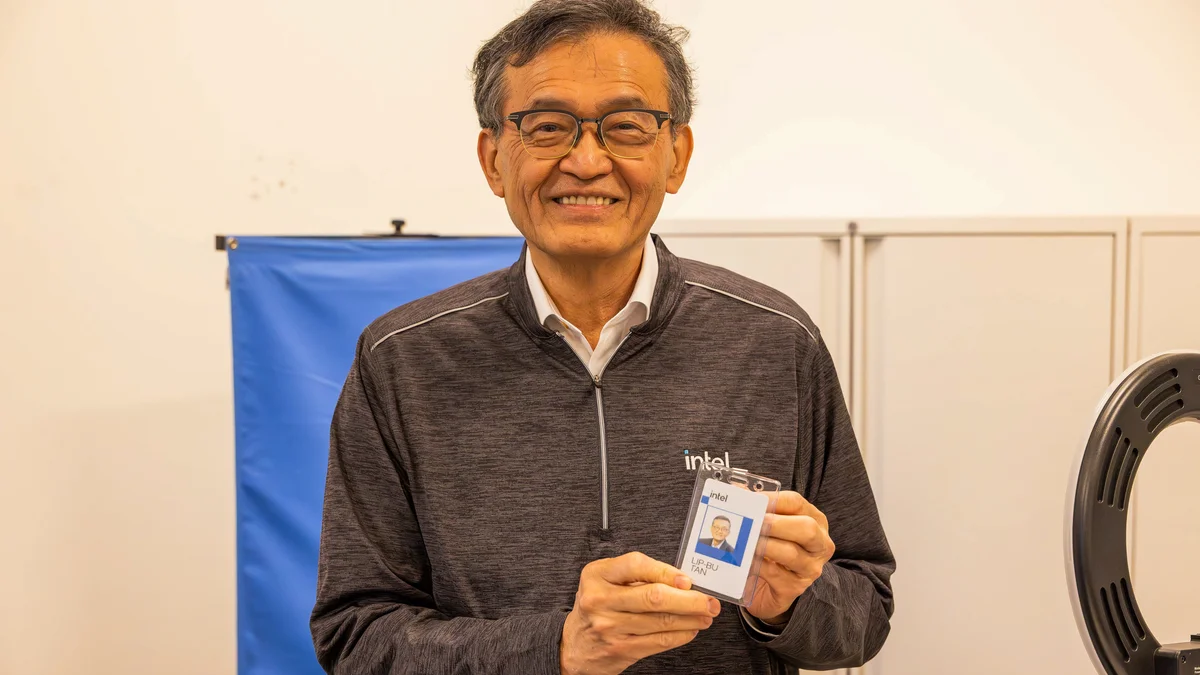
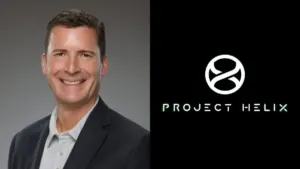
Headlining the 35th Annual Conference and Dinner Banquet of the Chinese American Semiconductor Professional Association (CASPA) at the Santa Clara Convention Center on October 24, 2026, Intel CEO Lip-Bu Tan delivered a series of candid disclosures during an on-stage fireside chat moderated by CASPA President Jimmy Cheng. From confirming a direct conversation with AMD Chair and CEO Dr. Lisa Su to explore potential areas of cooperation, to announcing that the critical 0.9 Process Design Kit (PDK) for the Intel 14A node is arriving very soon ahead of risk production, Tan laid out an aggressive blueprint to turn Intel Foundry into a neutral powerhouse.
Direct Talks Between Lip-Bu Tan and Lisa Su: Could AMD Tap Into Intel Foundry?
The biggest surprise of the Santa Clara fireside chat came when Lip-Bu Tan revealed that he recently held a direct conversation with AMD CEO Lisa Su to explore potential avenues of collaboration between the two longtime x86 rivals.
While Intel and AMD already co-chair the x86 Ecosystem Advisory Group to standardize instruction-set extensions and architectural interfaces against ARM competitors, high-level talks between Tan and Su point toward deeper supply-chain and back-end manufacturing opportunities. With TSMC's CoWoS advanced packaging lines heavily booked by hyperscale AI accelerators, Intel Foundry's 2.5D EMIB (Embedded Multi-die Interconnect Bridge) and 3D Foveros packaging technologies offer an attractive multi-sourcing option for fabless chipmakers looking to avoid packaging bottlenecks on future chiplet processors and GPUs.
Intel 14A and 18A Roadmap: 0.9 PDK Arriving Soon Ahead of Early 2027 1.0 PDK
Alongside his outreach to AMD, Lip-Bu Tan provided a concrete update on Intel Foundry's leading-edge silicon nodes. Tan confirmed that Intel 18A (1.8nm-class), which pairs RibbonFET gate-all-around transistors with PowerVia backside power delivery for Panther Lake client processors and Clearwater Forest Xeon server chips, is now running in volume production.
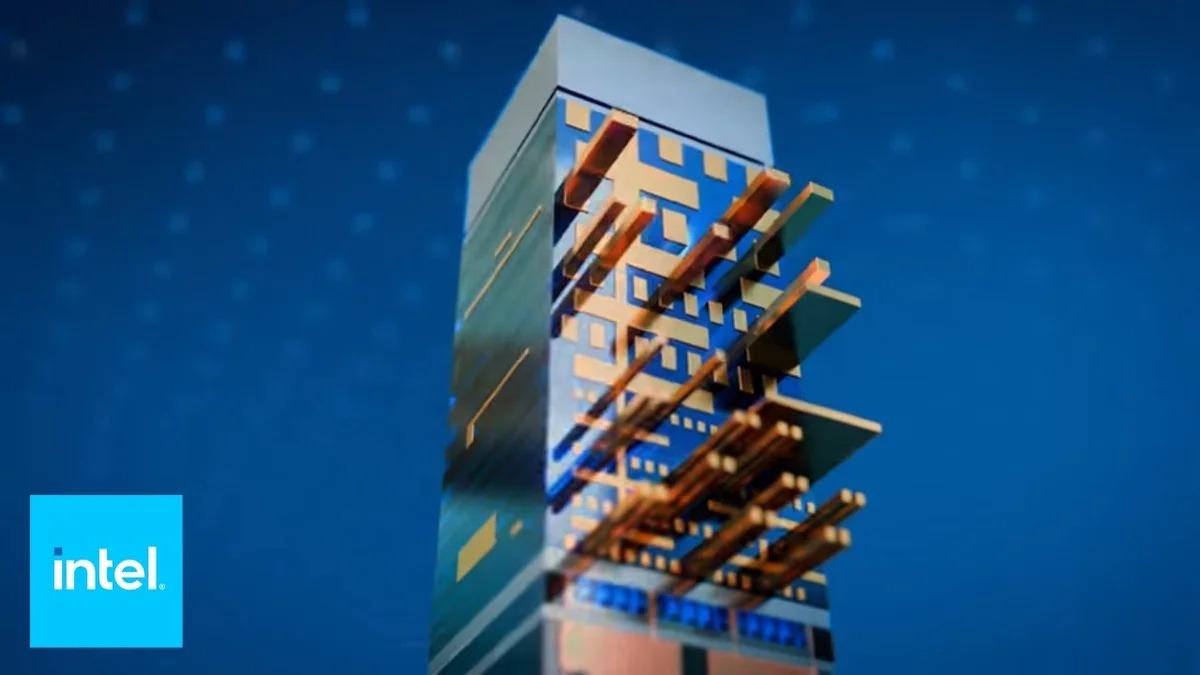
For external fabless giants, however, the centerpiece is the next-generation Intel 14A (1.4nm-class) process, which integrates ASML's High-NA EUV lithography systems and second-generation PowerDirect backside power delivery. On stage at CASPA, Tan outlined the exact timeline for external Process Design Kits:
"Foundry I've been laser focused since I come on board: 18A, 14A. For 18A we're in volume production. 14A I'm coming up very strong. I think we already have 0.5 PDK, stay tuned we're going to have the 0.9 PDK and then early next year we're going to have 1.0 PDK for volume production. We have multiple customer who really want us to really scale their business."
In semiconductor manufacturing, moving from an early beta 0.5 PDK to a 0.9 PDK is the critical pre-production milestone: it signals that transistor models and design rules are locked for customer tape-outs and primed for risk production, paving the way for the final 1.0 PDK release in early 2027.
Waiting 6 to 8 Months and Fixing 15 Shortfalls: Intel's Custom Silicon Shift
Winning over external chip designers requires more than High-NA EUV scanners; it demands a complete overhaul of Intel's corporate culture. Conceding that "Intel is so proud they never want to modify for customer need," Tan noted that previous leadership often failed to listen to external partners and even lectured them during engineering reviews.
To illustrate how that dynamic has changed, Tan shared that one major industry customer waited 6 to 8 months hoping he would take over as Intel's CEO. Once Tan stepped into the role, the client handed him a list of 15 specific areas where Intel was falling short. After Tan and his engineering leads resolved those 15 complaints one by one, the customer committed to partnering deeply with Intel. As part of that shift, Intel is now doubling and tripling down on customized silicon, particularly across its Xeon data center portfolio.
Apple, NVIDIA, Google, Broadcom, and the EMIB-T Substrate Yield Challenge
That customer-first pivot is already reflected in recent supply-chain checks from KeyBanc analysts. Intel Foundry has reportedly secured manufacturing agreements for networking switches with Broadcom, server CPUs for Google and Microsoft, and gaming GPUs for NVIDIA.
Even more notably, KeyBanc indicates that Apple has signed on for a multi-generation, multi-series contract covering future M-series and A-series processors built directly on the Intel 14A node rather than 18A-P, while Anthropic, Amazon, and the SpaceX/Tesla Terafab initiative continue evaluating both nodes with a clear preference for 14A. On the advanced packaging front, Intel's EMIB-T substrate yields currently average 50% to 60% at Ibiden and 20% to 30% at UMTC, underscoring why NVIDIA, AMD, and Intel are pouring $5 billion into Taiwanese ABF substrate capacity to prevent back-end bottlenecks.
My Bench Test
Having tracked foundry roadmaps and silicon nodes for years, I find Lip-Bu Tan's candid, engineering-first approach far more convincing than the lofty slogans we heard from Intel in previous cycles. Publicly admitting that Intel used to lecture customers, fixing 15 concrete technical grievances for a major partner, and sitting down directly with Lisa Su proves that Intel Foundry is finally operating with a true service mindset. For PC builders and gamers, seeing the 14A 0.9 PDK land on schedule while opening the door to EMIB packaging deals with rivals like AMD is exactly what the hardware market needs: genuine foundry competition at 1.4nm is the only way to keep wafer and packaging costs from driving up the price of our next-generation CPUs and GPUs.

PC hardware enthusiast and competitive gamer, Arthur 'Heimdall' splits his time between France and the UK working in enterprise B2B software solutions. A business school graduate passionate about component benchmarking, he has been building, modding, and tuning PCs since childhood, optimizing every thermal degree and millisecond of display latency. An avid gamer across Assassin's Creed and sandbox titles, he forged his alliance with Grimtag and Chaya during late-night World of Warcraft raids before joining Pro-Gamer.