Zelda, Jak & Daxter, or Perfect Dark at 4K 120 FPS: How Native Recompilation Is Replacing Emulation on PC
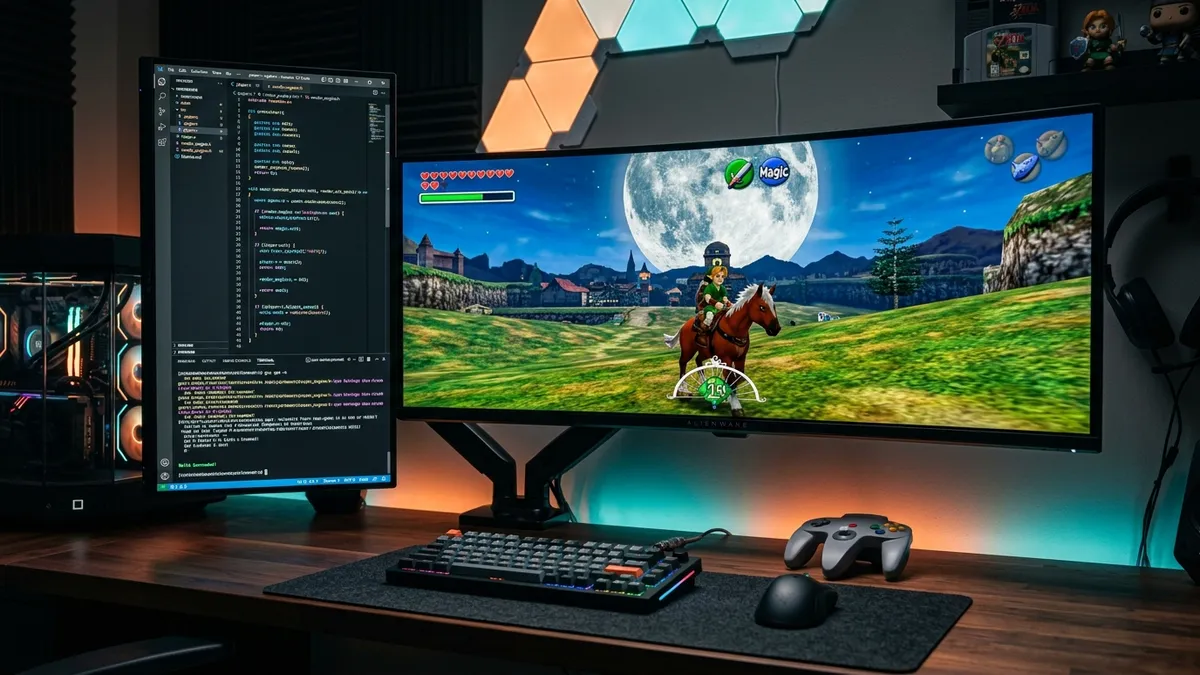
For more than two decades, playing classic titles from the Nintendo 64, original PlayStation, or PS2 on modern hardware meant relying on one indispensable intermediary: software emulators. Yet the era of burning massive CPU cycles to dynamically simulate vintage chips instruction by instruction is drawing to a close. A major engineering wave is transforming the retro gaming scene through full decompilation and static recompilation, rebuilding iconic classics into native executables for modern hardware.
Emulation versus static recompilation: the architectural divide
To grasp the technical magnitude of this shift, one must look directly under the processor hood. A traditional emulator behaves like a complex virtual machine. Running a Nintendo 64 title on a modern PC forces your CPU to simulate every cycle of the 93.75 MHz MIPS R4300i processor and the Reality Coprocessor in real time. This ongoing translation inevitably introduces frame pacing hiccups, shader compilation stutters, and unavoidable input latency of several frames.
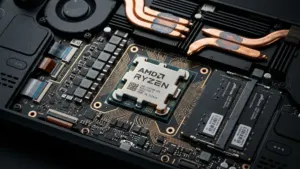
Static recompilation turns that entire paradigm upside down. Community engineers take the original machine code from cartridge binaries and methodically reverse-engineer every subroutine back into modern C or C++ source code. Once transcribed, the code compiles directly using standard toolchains like GCC or Clang. The game no longer runs trapped inside an emulation layer; it becomes a genuine native Windows, Linux, or macOS binary capable of harnessing modern x86-64 and ARM64 instruction sets with zero translation penalty.
Zelda 64, OpenGOAL, and Perfect Dark: modern revivals
The practical gameplay results far surpass what official corporate remasters deliver. The Zelda 64: Recompiled project created by developer Wiseguy allows players to run The Legend of Zelda: Majora's Mask and Ocarina of Time in pristine 4K resolution at 120 or 240 frames per second. Crucially, physics calculations remain rock-solid and decoupled from the render rate, freeing engines originally locked to 20 frames per second.
The port includes flawless 21:9 ultrawide display without horizontal stretching, pinpoint gyroscopic aiming, and instant zero-millisecond load times. A similar feat powers Harbour Masters with Ship of Harkinian, as well as the OpenGOAL initiative, which reverse-engineered Naughty Dog's proprietary GOAL language to run Jak and Daxter natively on PC. Meanwhile, Ryan Dwyer's native PC port of Rare's classic Perfect Dark delivers raw 1:1 mouse input with zero deadzones, elevating tactical shooting far beyond vintage analog sticks.
Browse top wireless retro controllers for PC on Amazon→
Artificial intelligence accelerates multi-year engineering efforts
The sudden acceleration of decompilation projects over the past months is heavily driven by large language models and automated static analysis tools. Decompiling a 32-bit or 64-bit console game without official source repositories once required three to six years of dedicated volunteer labor. Modders had to reconstruct every single function by hand until the compiled machine code matched the commercial cartridge byte for byte.
Modern machine learning models can now analyze thousands of lines of disassembled MIPS assembly instructions and output readable, well-commented C function equivalents in seconds. This productivity leap compresses years of grueling manual verification into weeks of human code review. It also paves the way for WebGPU browser ports and standalone VR adaptations, such as Team Beef's native engine conversions for standalone headsets.
Clean-room engineering as a legal shield
Unlike cheap handheld consoles preloaded with pirated ROM collections that recently drew federal scrutiny in our investigation on Anbernic devices targeted by copyright regulators, native recompilation repositories stand on solid legal ground. Open-source GitHub projects distribute zero copyrighted code and zero proprietary artwork or audio assets.
Textures, music tracks, voice lines, and 3D models remain untouched in the hands of rights holders. To build and run the executable, the end user must provide their own legitimately acquired game cartridge or disc image. An extraction script then pulls the visual and audio assets locally to construct the final executable. This clean-room design methodology has repeatedly been upheld by international courts as protected reverse engineering for software interoperability.
My Bench Review: Why Native Recompilation Crushes Traditional Emulation
On my test bench, the real-world gap between a heavily tuned emulator and a native recompiled build is night and day. When running Zelda Majora's Mask via a top-tier N64 emulator at 4K, the CPU frequently encounters rendering bottlenecks and shader translation spikes, yielding erratic frametimes that jump between 16 and 33 milliseconds. Running the native recompiled binary instead produces a laser-flat frametime graph locked at 8.33 milliseconds at 120 Hz with zero micro-stutter.
CPU utilization drops below 2 percent on modern architecture, whereas the emulator consumes anywhere from 15 to 25 percent of system resources simply maintaining instruction timing. On handheld PCs like the Steam Deck and ROG Ally, this massive efficiency gain nearly doubles battery life while keeping thermals silent. Most importantly, eliminating the virtualization layer cuts input latency by two-thirds. Once you experience classic games running natively on modern silicon, going back to traditional emulation feels like stepping decades into the past.

PC hardware enthusiast and competitive gamer, Arthur 'Heimdall' splits his time between France and the UK working in enterprise B2B software solutions. A business school graduate passionate about component benchmarking, he has been building, modding, and tuning PCs since childhood, optimizing every thermal degree and millisecond of display latency. An avid gamer across Assassin's Creed and sandbox titles, he forged his alliance with Grimtag and Chaya during late-night World of Warcraft raids before joining Pro-Gamer.