Banned for Life Without Cheating: The Hidden Used PC Hardware Trap Striking Valorant and LoL Players
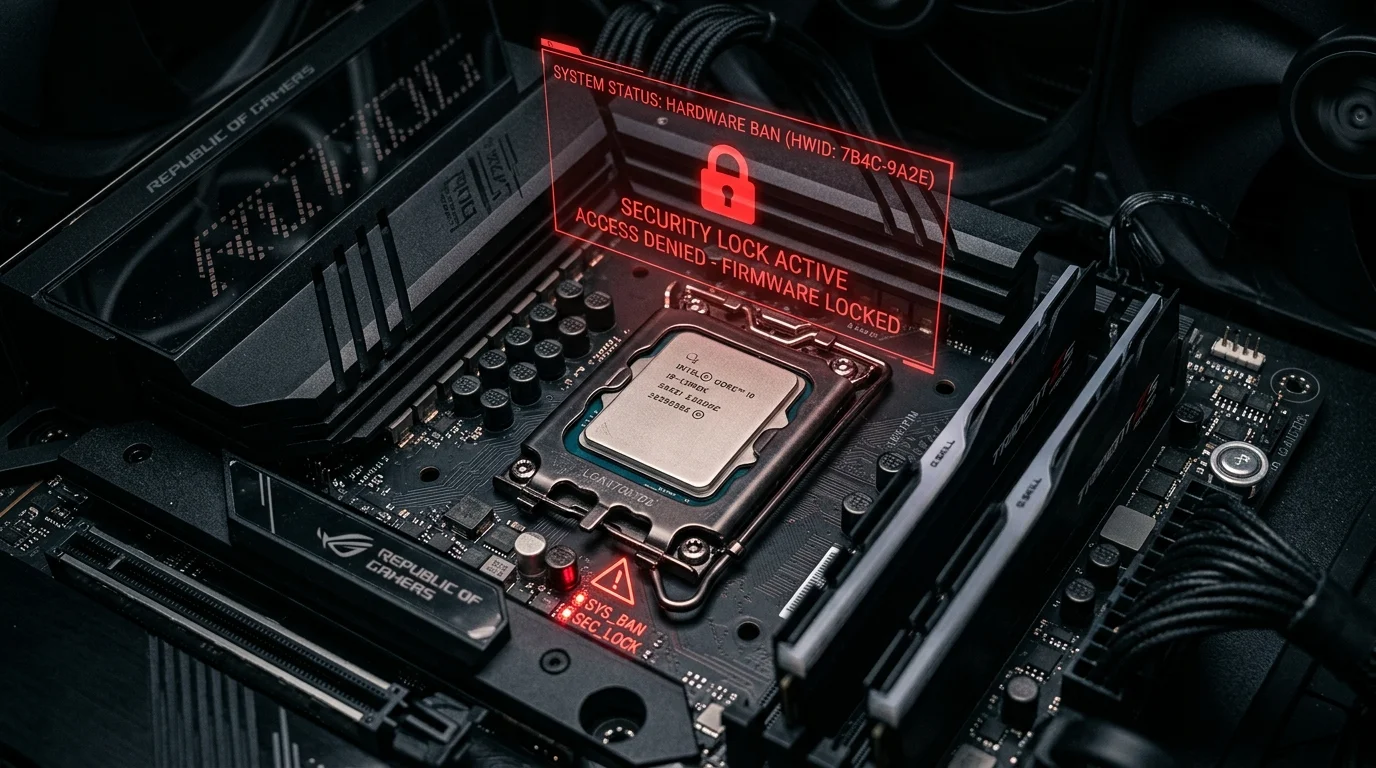
Purchasing second-hand computer hardware has long been the primary tactic for competitive PC gamers seeking top-tier performance on a realistic budget. However, the aggressive escalation of kernel-level anti-cheat technology is turning the used hardware market into an invisible minefield. The recent documented case of a gamer purchasing a used AMD Ryzen 7 5800X3D processor only to receive an instant VAN 152 hardware ban upon launching Valorant exposes a harsh reality: Vanguard now anchors blacklists directly to physical processor silicon, and Riot Games refuses to intervene for innocent buyers.
Instant VAN 152 Error: The Second-Hand Silicon Trap
Originally broken by German tech publication Heise Online and backed by multiple accounts across Reddit hardware communities, the incident highlights a nightmare scenario. A player assembled a refurbished gaming rig around a pre-owned Ryzen 7 5800X3D, completed a fresh Windows installation, installed the Riot client, and launched Valorant. Within moments, the game crashed back to desktop with the dreaded VAN 152 error code.
VAN 152 specifically signals an active hardware restriction (HWID Ban) implemented by Riot Vanguard. When the buyer submitted a formal appeal accompanied by legitimate proof-of-purchase records from the second-hand transaction, Riot Games player support formally confirmed the verdict: the previous owner of the CPU had engaged in verified cheating activity, permanently blacklisting the component across Riot's global infrastructure.
Despite clear evidence proving the new owner had zero ties to the original offender, Riot's anti-cheat department rejected any manual unban request. The studio maintains a strict zero-tolerance policy, treating the underlying hardware as permanently compromised.
Why the CPU? How fTPM Binds Hardware Bans to Silicon
Historically, hardware-level anti-cheat bans primarily targeted motherboard serials (SMBIOS UUIDs), network MAC addresses, or NVMe drive identifiers. Cheat developers routinely defeated these systems by deploying software-based "HWID spoofers" that falsified hardware serial numbers during the OS boot sequence.
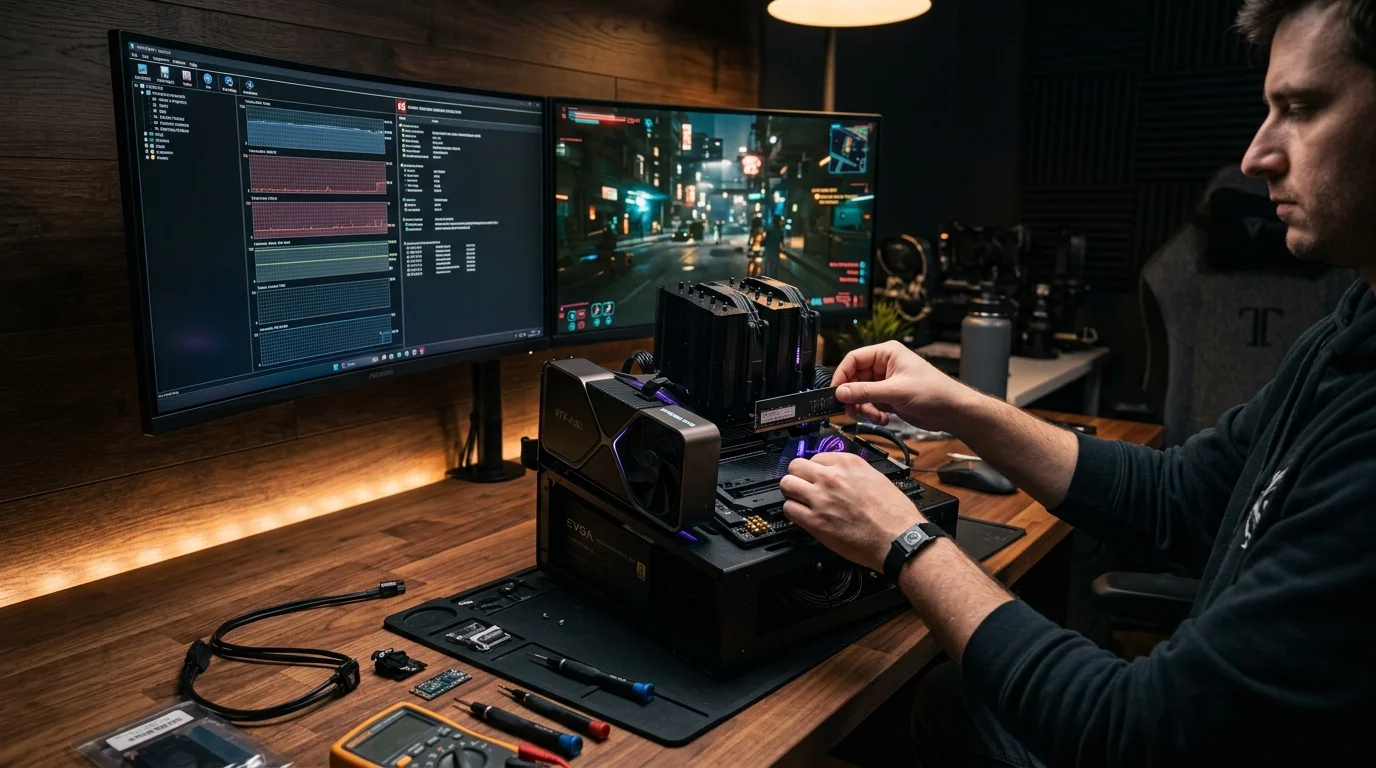
To eliminate software spoofing, Riot Vanguard made TPM 2.0 (Trusted Platform Module) and Secure Boot mandatory across Windows 11 systems. Crucially, on modern desktop platforms like AMD AM4 and AM5, the security module is not an external daughterboard on the motherboard. Instead, it operates as a firmware TPM (fTPM) embedded directly within the processor via the AMD Platform Security Processor (PSP).
The cryptographic attestation keys (Endorsement Keys) generated by the fTPM are permanently fused to the specific CPU silicon. When Vanguard flags a cheating system, swapping the motherboard or replacing the SSD is no longer sufficient: the CPU itself carries the cryptographic signature of the ban directly into any new machine it joins.
A Cross-Game Blacklist: From Valorant to League of Legends
The stakes are amplified because Vanguard is no longer exclusive to Valorant. Riot Games has deployed its kernel-level anti-cheat engine across its entire competitive lineup, including League of Legends, Teamfight Tactics, and the upcoming fighting title 2XKO. A machine flagged with a hardware ban is immediately severed from every PC title in Riot's ecosystem.
Even more hazardous is the risk of cross-account contamination. When unsuspecting buyers encounter VAN 152 and attempt to troubleshoot by logging in with their main Riot accounts or borrowing an alternate account, Vanguard automatically flags those accounts for evasion attempts, triggering immediate automated account terminations.
This dynamic creates a toxic cycle on second-hand marketplaces like eBay and local classifieds. Banned cheaters, unable to play on their existing hardware, offload their CPUs and motherboards at discounted rates without disclosing the ban, leaving buyers with bricks.
How to Protect Yourself When Buying Used PC Hardware
Because hardware bans leave zero physical traces on a processor, buyers must establish strict verification protocols before parting with their money:
- Insist on live in-game testing: When buying locally, request that the seller launch an active match of Valorant or League of Legends on the machine before disassembling the processor.
- Utilize purchase protection with testing windows: Always purchase through platforms offering verified return windows, allowing you 48 hours to install the part and verify Vanguard compatibility before finalizing payment.
- Action plan if you hit VAN 152: Never log into your primary Riot account. Take full screenshots of the error code, preserve your chat history and receipt with the seller, and initiate an immediate payment dispute for defective goods.
My Take: Riot's Anti-Cheat War Is Creating Collateral E-Waste
While maintaining competitive integrity is vital for PC gaming, Riot Games' handling of hardware blacklists represents an unacceptable transfer of liability onto innocent consumers. By refusing to provide a public hardware verification lookup tool or a structured appeal process for second-hand buyers, Riot allows cheaters to monetize their banned parts while honest gamers foot the bill for unusable silicon.
This scorched-earth policy sets a dangerous precedent for the broader hardware ecosystem. When the resale viability of a premium gaming processor hinges on the invisible history of a Ring-0 security driver, the entire circular economy of refurbished PC parts suffers. Riot Games needs to provide genuine transparency and diagnostic tools rather than hiding behind silence while collateral damage piles up.

SEO consultant for over 20 years and digital entrepreneur, Charles 'Grimtag' Ronchain is the founder of Pro-Gamer.gg, Retrocharting.com, and Gamescharting.com. A competitive gamer, streamer, and retro game collector, he has worked in the video game industry for over 15 years, notably as a consultant for leading game price comparison platforms. Passionate about real-time performance data and gaming technology, he analyzes competitive esports, gaming hardware benchmarks, and creator workflows on Pro-Gamer.gg with an authentic player perspective.