How to Become an Esports Caster: The Complete Guide to Video Game Shoutcasting
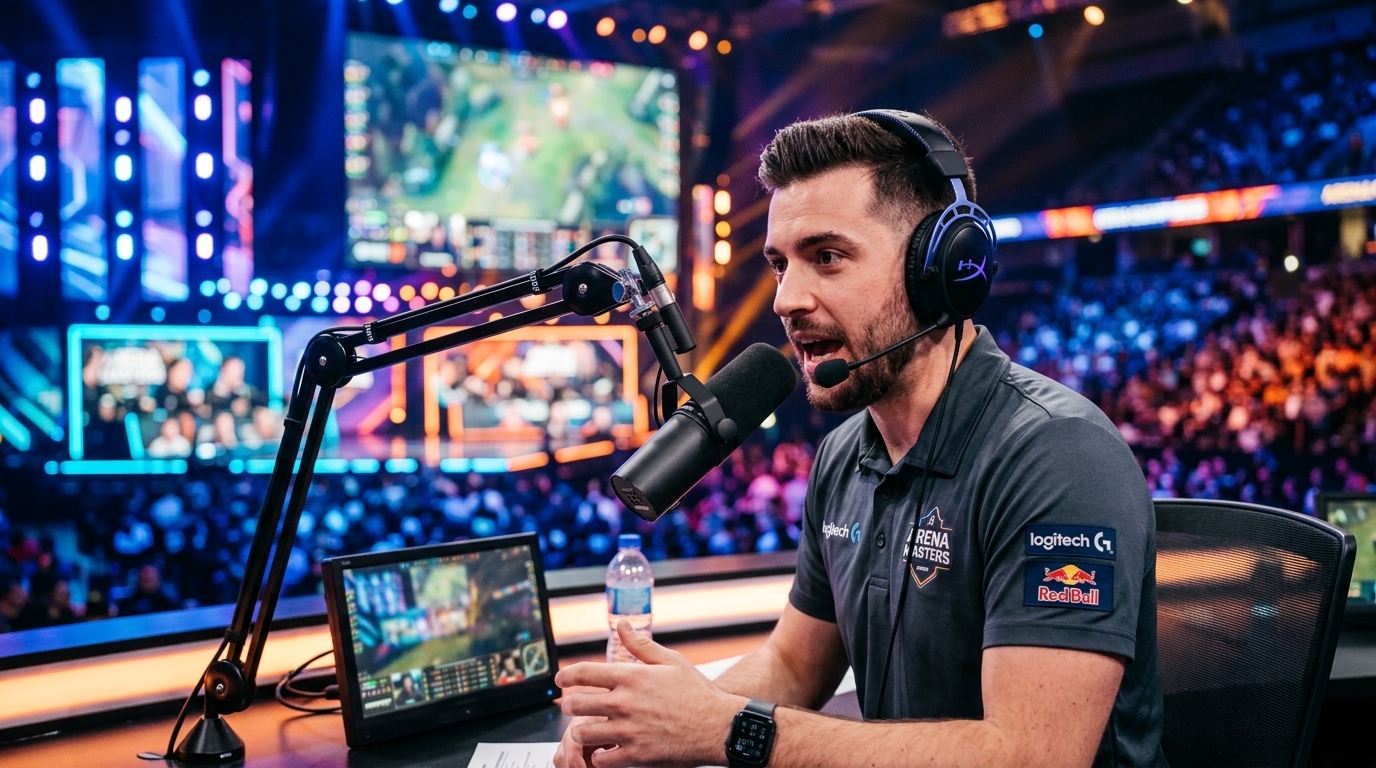
Serving as the official voice behind the most clutch plays in pro gaming, the esports commentator - or shoutcaster - has become a vital cornerstone of the competitive ecosystem. While turning pro is a dream for thousands of passionate gamers, making a living off video game commentary demands a rare mix of deep meta knowledge, journalistic discipline, and natural showmanship. This comprehensive guide breaks down every step to transition from casting matches in your bedroom to stepping up as a broadcast professional on the main stage.
The Caster's Role: Balancing Sports Journalism and Entertainment
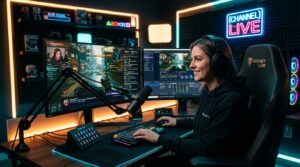
Shoutcasting is about much more than simply narrating what happens on screen. Broadcasts typically pair two complementary roles: the play-by-play caster, who brings high-octane hype, speed, and energy during intense teamfights and split-second plays, and the color caster (or analyst), who breaks down tactical nuances and explains the strategic decisions behind player choices.
To truly stand out, a top caster needs an encyclopedic knowledge of patch notes, character balance updates, and team statistics. This invisible prep work often takes twice as long as the time actually spent live on air behind the microphone.
How Much Do Esports Casters Really Make?
Freelance status is the standard across the competitive casting industry. Compensation is generally based on day rates and scales heavily depending on viewership, tier level, and event prestige.
Rookie casters often start out by doing volunteer community work to build a portfolio, before reaching mid-tier day rates between $200 and $500 per event day. Top-tier broadcast talent - the marquee names headlining world championship finals - can charge anywhere from $1,000 to over $2,000 per broadcast day.
The esports scene has a rich history of iconic broadcast talent. While trailblazing duos like Pomf and Thud in StarCraft II or Ken Bogard in the fighting game community laid the groundwork during the early 2010s, a new generation has stepped up in a big way. Today, prominent casters like Chips and Noi (founders of OTP LoL), Tweekz in League of Legends, and Lutti across Brawl Stars and variety esports serve as headline voices of premier international tournaments.
To secure a steady income, most independent casters diversify their revenue streams through content creation, community management, and video editing. If you want to learn how to negotiate your first brand deals and tournament contracts, check out our comprehensive guide to esports sponsorships and ad networks.
Essential Casting Gear: Investing in Broadcast Audio Quality
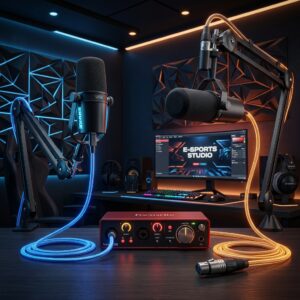
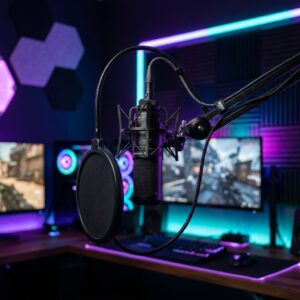
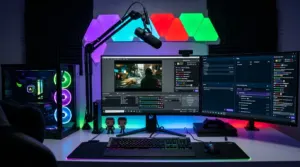
Just like a streamer, a shoutcaster must prioritize audio quality above all else. Viewers will tolerate mediocre video quality, but clipping, muffled sound, or background buzzing will instantly drive audiences and tournament organizers away. Here are the two top recommended microphones to get started with broadcast-grade audio.

Shure MV7
- Dual USB and XLR connectivity
- Ultra-precise cardioid pickup pattern
- Passive voice isolation technology
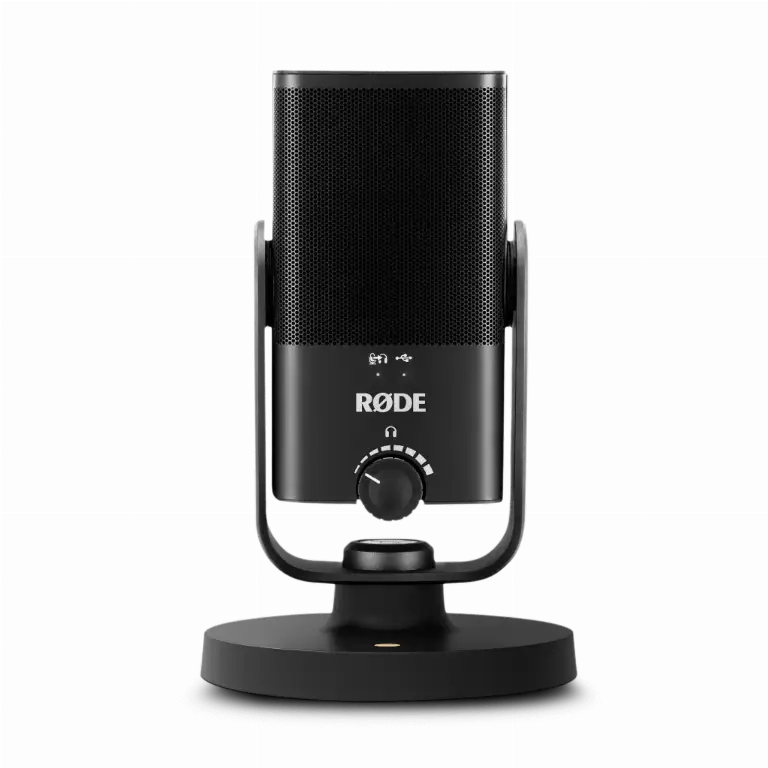
Rode NT-USB Mini
- Built-in pop filter
- Magnetic 360-degree swing mount
- Legendary Rode audio quality
Crucial Audio Settings to Prevent Clipping and Distortion
Owning a great microphone is only half the battle; dialling in your settings is just as critical. During hype moments in a match - whether it is a decisive teamfight or a buzzer-beater play - a caster naturally ramps up vocal volume, creating high risk for digital clipping and harsh audio distortion.
To prevent audio blowouts, configure these four essential filters in your broadcast software (such as OBS Studio):
- Input Gain (Headroom): Calibrate your input level so your normal speaking voice hovers between -12 dB and -6 dB. This leaves crucial dynamic headroom to absorb vocal spikes during hype moments without clipping your signal.
- Compressor (Dynamic Leveler): The most essential filter in broadcasting. It automatically clamps down on sudden screams and boosts quiet tactical analysis, ensuring a balanced, comfortable listening experience for viewers.
- Noise Gate: Configure this threshold so the mic only opens when you speak, silencing ambient background noise like mechanical keyboard clicks or PC fan hum.
- Limiter: Position a brickwall limiter at the very end of your audio chain set to -1 dB. This is your ultimate safety net: no audio spike can exceed this ceiling, preventing painful digital distortion in your listeners' ears.
Freelance vs. Production Studio: Which Career Path to Choose?
Broadcast talent generally face two career paths. The first option is staying fully freelance to work with multiple game publishers and tournament organizers, which gives you maximum editorial and scheduling freedom.
The second option is joining an established broadcast production agency or studio (such as OTP LoL or major regional broadcast hubs). This route provides steadier financial stability, direct access to high-end studio gear, and instant visibility within an established, dedicated fan base.
Essential Steps to Start and Train as a Caster
There is no single traditional path to breaking into esports casting, but deliberate practice is everything. Start by muting the official broadcast of pro matches and commentating over the gameplay yourself. This is the absolute best way to build your first demo reel and sharpen your cadence, vocabulary, and diction.
If you prefer structured formal education, several colleges and academies now offer degree tracks in esports broadcast production, journalism, and event management, such as the specialized degree programs available at esports and gaming colleges.
The Reality of the Grind: Building Your Audience to Go Pro
Beyond raw technical talent, a caster's career path closely mirrors that of a content creator. Waiting around for a major tournament organizer or game publisher to discover you is a pipe dream. The real secret to landing professional contracts is proving your ability to command an audience, build concurrent viewership, and retain loyal followers.
Treat your personal channel like your own broadcast network. Set a strict weekly schedule - such as shoutcasting community tournaments or grassroots leagues every Tuesday night. As your channel grows, tournament organizers will take notice, knowing you bring both an existing fanbase and proven live commentary chops to their broadcast.
Finally, remember that your voice is your primary instrument. Protect it: practice diaphragmatic breathing from your stomach to avoid vocal strain during grueling multi-hour broadcasts, and drink room-temperature water continuously. Becoming a respected broadcast talent demands relentless discipline, preparation, and consistency, but making a living doing what you love is worth every bit of the grind.
Which competitive title are you passionate enough about to step up to the mic? Have you ever tried casting your own gameplay or community scrims? Share your thoughts and casting goals in the comments below. Good luck, have fun, and see you next time on pro-gamer.gg!

SEO consultant for over 20 years and digital entrepreneur, Charles 'Grimtag' Ronchain is the founder of Pro-Gamer.gg, Retrocharting.com, and Gamescharting.com. A competitive gamer, streamer, and retro game collector, he has worked in the video game industry for over 15 years, notably as a consultant for leading game price comparison platforms. Passionate about real-time performance data and gaming technology, he analyzes competitive esports, gaming hardware benchmarks, and creator workflows on Pro-Gamer.gg with an authentic player perspective.