Why Pro Gamers Are Ditching Gaming Headsets for IEMs (In-Ear Monitors)
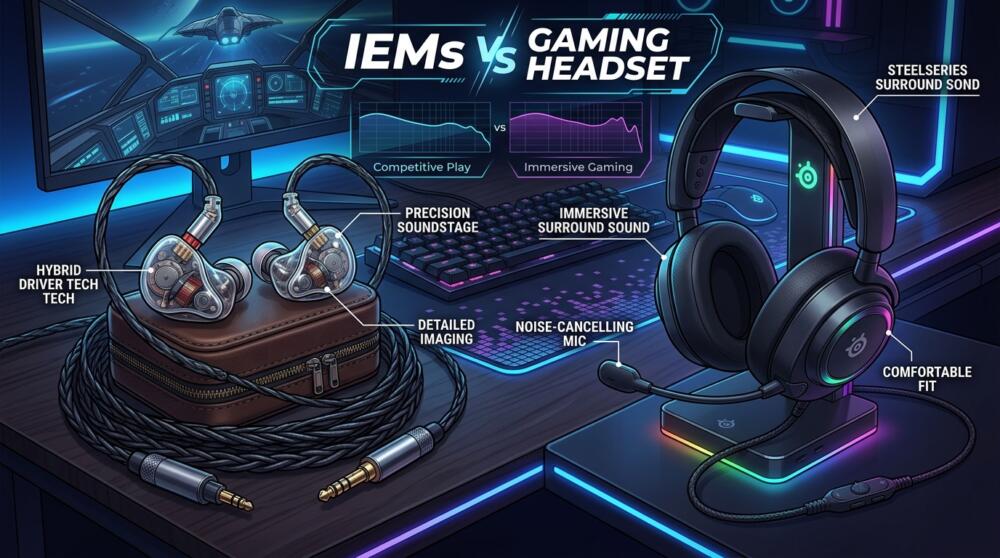
Watch any major tournament broadcast for Valorant or CS2 closely, and you will notice a striking gear trend among the world's top competitors.
Beneath the heavy stage-provided soundproof ear defenders, pro players are no longer wearing traditional gaming headsets. Instead, they are running IEMs (In-Ear Monitors): high-precision in-ear earphones originally engineered for live touring musicians.
Why this massive hardware shift? Here is a deep dive into the acoustic and ergonomic advantages driving the pro scene to abandon legacy headsets.
1. Audio Spatialization and Frequency Separation: The Tactical Advantage
In tactical first-person shooters where a single footsteps audio cue or reload sound conveys vital game-winning information, soundstage precision matters just as much as your monitor's refresh rate.
Consumer gaming headsets tend to artificially pump up low-end bass frequencies to manufacture cinematic immersion (think booming explosions and thunderous gunfire).
Unfortunately, that bass-heavy mud drowns out the critical mids and treble frequencies where footsteps, defuse sounds, and ability cues actually live.
Professional IEMs utilize balanced armature drivers or precision dynamic drivers engineered with a ruler-flat, neutral frequency response curve.
Instrument separation and audio layering become vastly clearer. A pro running quality IEMs can pinpoint the exact distance and vertical elevation of an enemy through walls with surgical accuracy.
🎧 Why IEMs Are Replacing Gaming Headsets
🎯 Passive Isolation
Anatomical acoustic seal inside the ear canal blocks arena crowd noise with zero latency.
⚡ Weight & Comfort
Under 15 grams total compared to 350g headsets. Zero pressure on temples and eyewear.
🔊 Footstep Clarity
Neutral sound profile without bloated bass allows clear tracking of footsteps during firefights.
Source: pro-gamer.gg, Esports Audio Hardware
The 3 Best IEMs Recommended for Competitive Gaming
Here are the three most widely praised and top-rated IEM models chosen by professional players and competitive audio specialists:
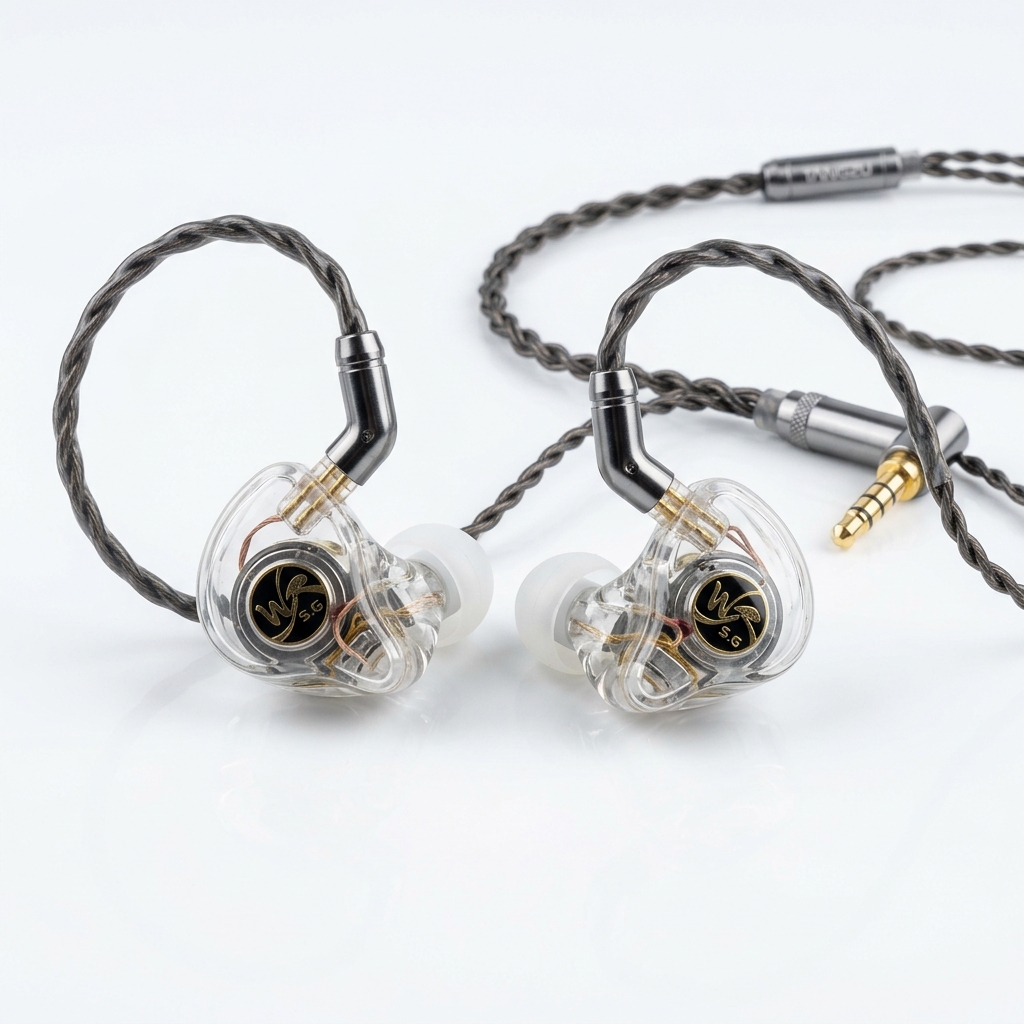
Tangzu Wan'er S.G
- 10mm PET dynamic driver
- Ultra-accurate neutral sound signature
- Detachable 2-pin braided cable
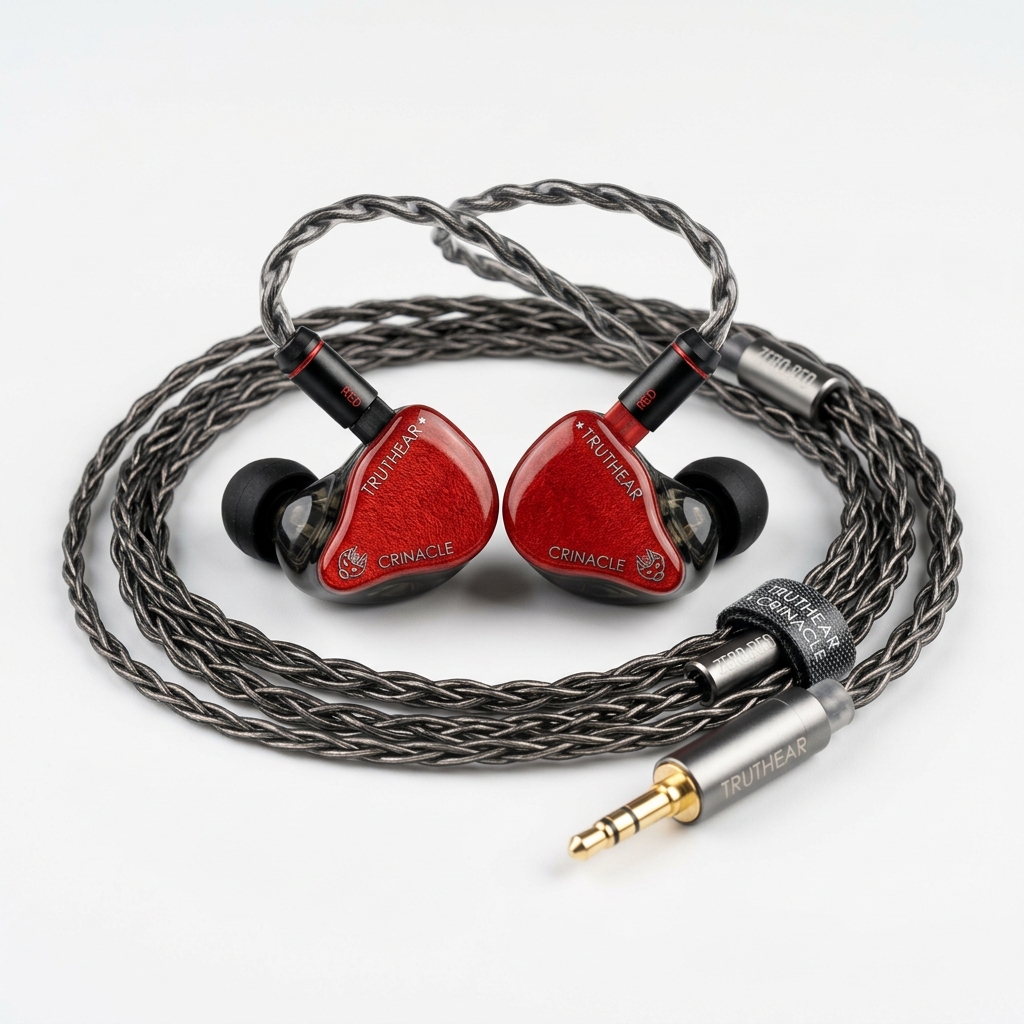
Truthear x Crinacle Zero:RED
- Dual dynamic precision drivers
- Surgical footstep separation
- Bass impedance adapter included
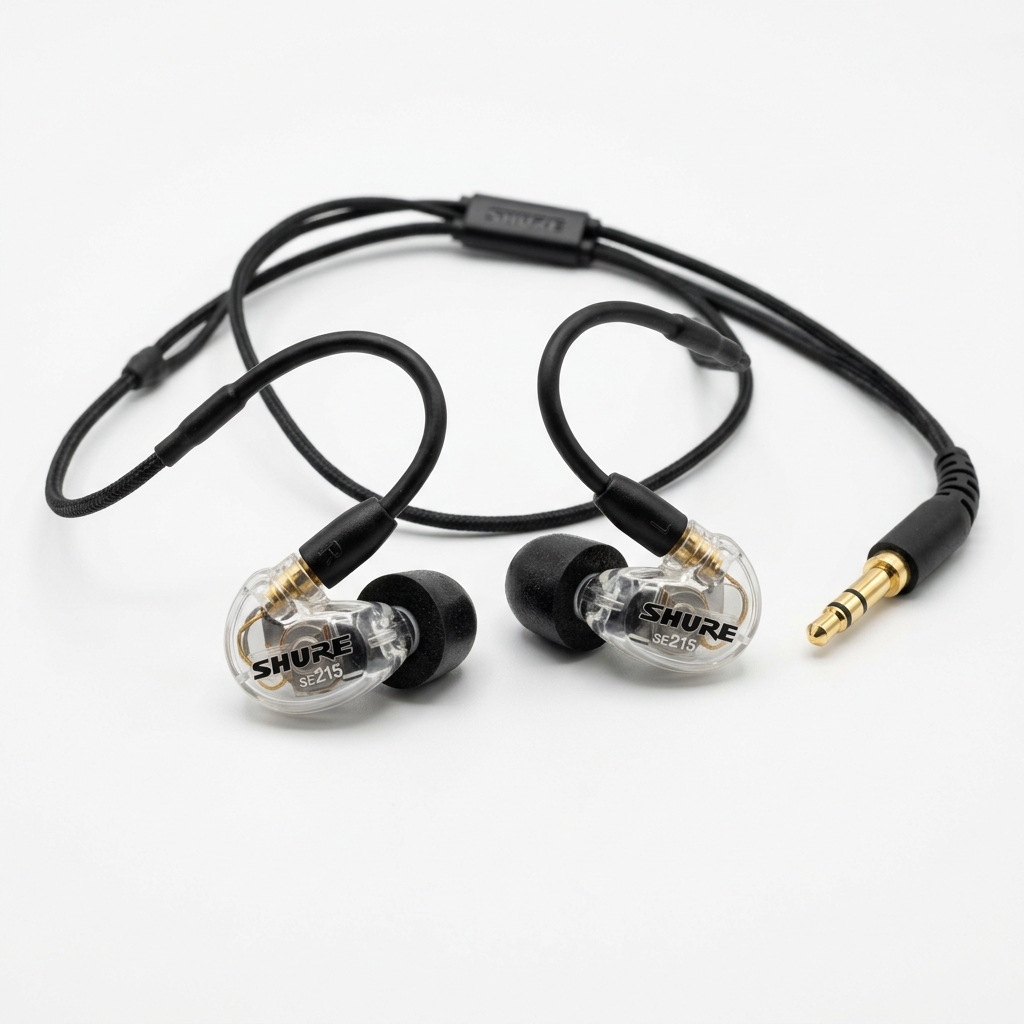
Shure SE215 Pro
- Up to 37 dB passive sound isolation
- High-definition dynamic micro-driver
- Kevlar-reinforced detachable MMCX cable
2. Dual Isolation at LAN Tournaments and Weight Elimination
On international tournament mainstages, arena crowd noise routinely blasts past 90 dB.
To ensure competitive integrity, tournament organizers require competitors to wear industrial or aviation-grade acoustic ear defenders over their earphones.
Trying to stack two full-sized over-ear headsets on top of each other is physically impossible. IEMs fit directly into the ear canal, creating the ultimate dual-isolation setup: the IEMs pump in the game audio, while the heavy external headset seals out the roaring stadium crowd and houses the team communication microphone.
Furthermore, for streamers grinding eight-hour broadcasts or players enduring back-to-back bootcamp sessions, the heft of a bulky headset (often 300 to 400 grams) causes severe neck fatigue and sweaty earpads.
Weighing in at a featherlight 10 to 15 grams, IEMs completely disappear during gameplay.
Benchmark Sound-Isolation Headsets on International Tournament Stages
To replicate pro-stage isolation conditions or completely silence ambient noise during your own tournaments, here are the most trusted noise-blocking ear defenders:
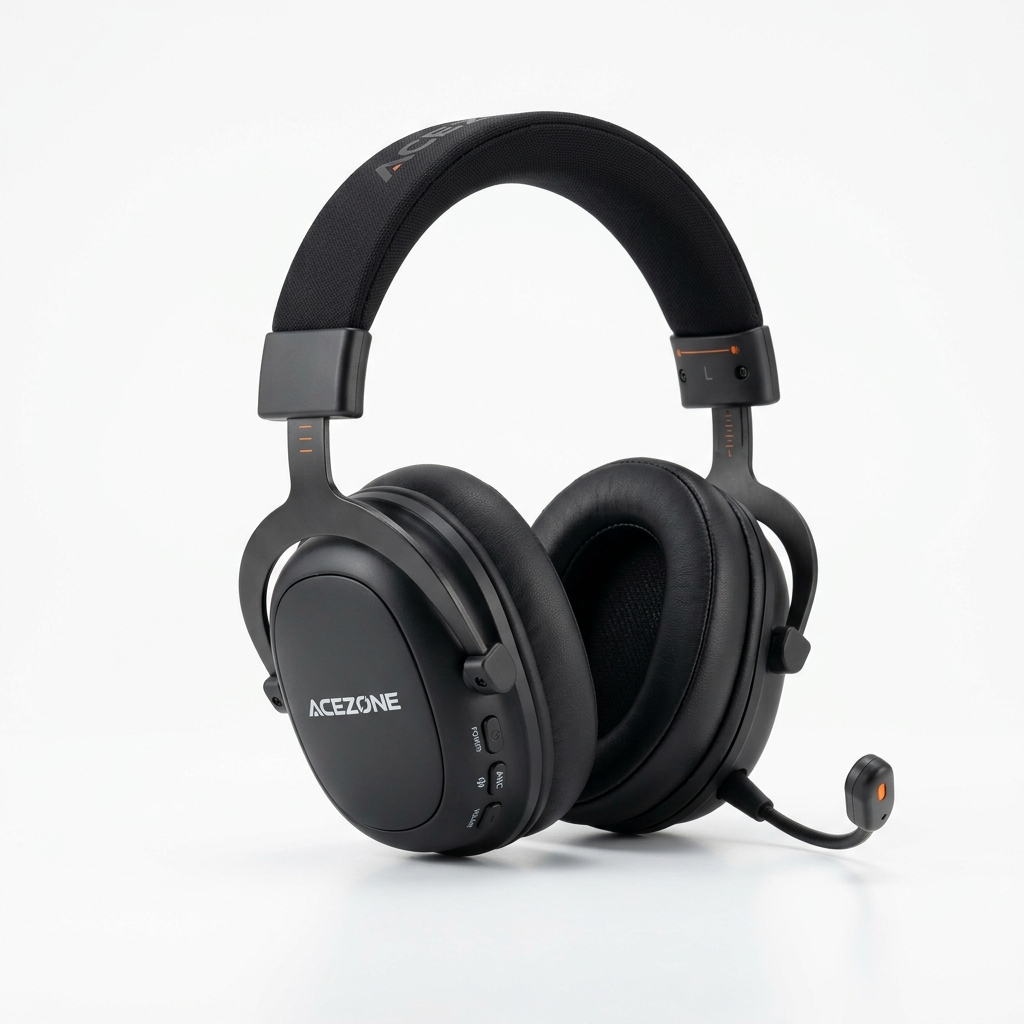
AceZone A-Spire Wireless
- Elite hybrid active and passive noise isolation
- Military-grade noise-canceling microphone
- Engineered for international esports arenas
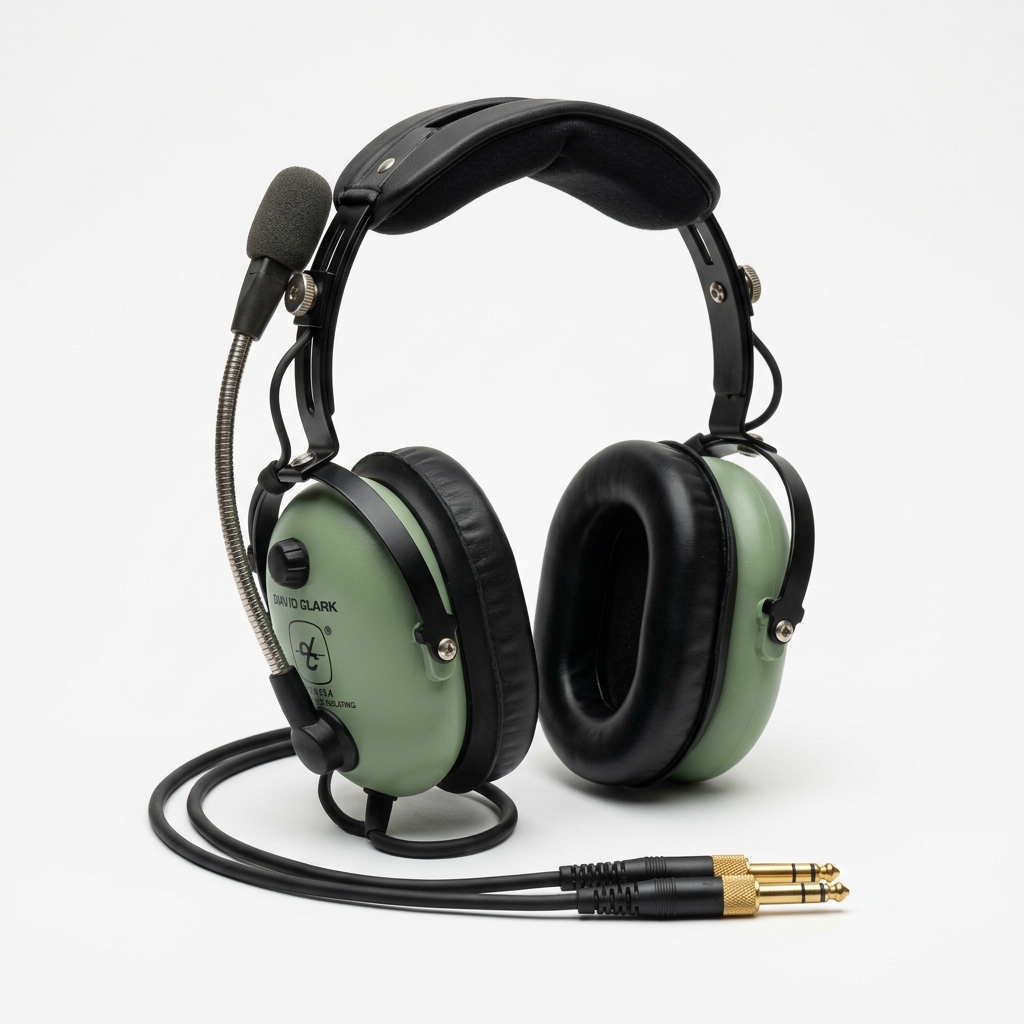
David Clark H10-13.4
- 23 dB NRR passive noise reduction
- Ultra-comfortable gel ear seals
- Indestructible industrial-grade build
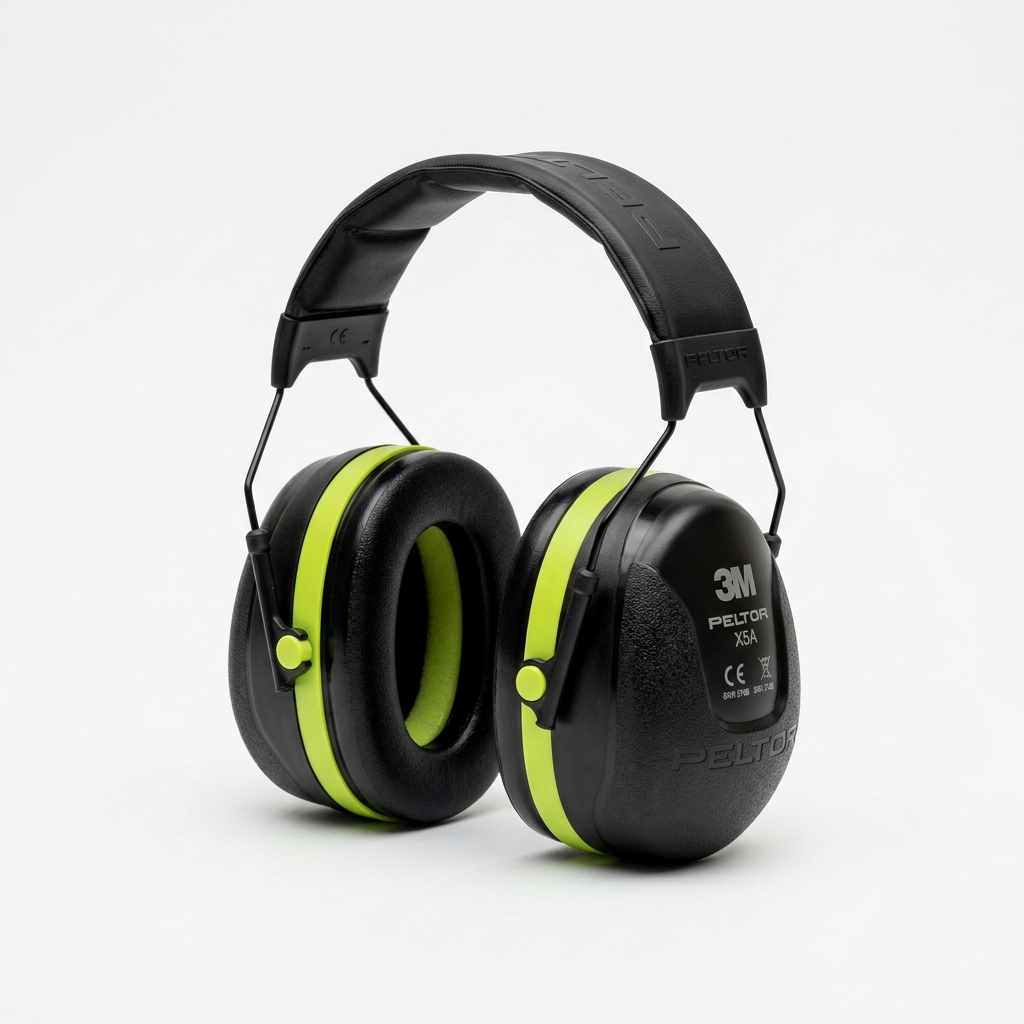
3M Peltor X5A Pro
- Exceptional 37 dB sound attenuation
- Anti-resonance slim profile earcups
- Ideal for wearing over your IEMs
If you want to upgrade your audio setup while shedding equipment weight across the board, take a look at our analysis of sub-45g ultra-lightweight gaming gear.
What about you: have you already made the switch to in-ear monitors for gaming, or are you sticking with traditional over-ear headsets? Let us know in the comments below!

SEO consultant for over 20 years and digital entrepreneur, Charles 'Grimtag' Ronchain is the founder of Pro-Gamer.gg, Retrocharting.com, and Gamescharting.com. A competitive gamer, streamer, and retro game collector, he has worked in the video game industry for over 15 years, notably as a consultant for leading game price comparison platforms. Passionate about real-time performance data and gaming technology, he analyzes competitive esports, gaming hardware benchmarks, and creator workflows on Pro-Gamer.gg with an authentic player perspective.