How to Make Money Gaming (Part 3): Brand Sponsorships, Esports Contracts, and Ad Networks
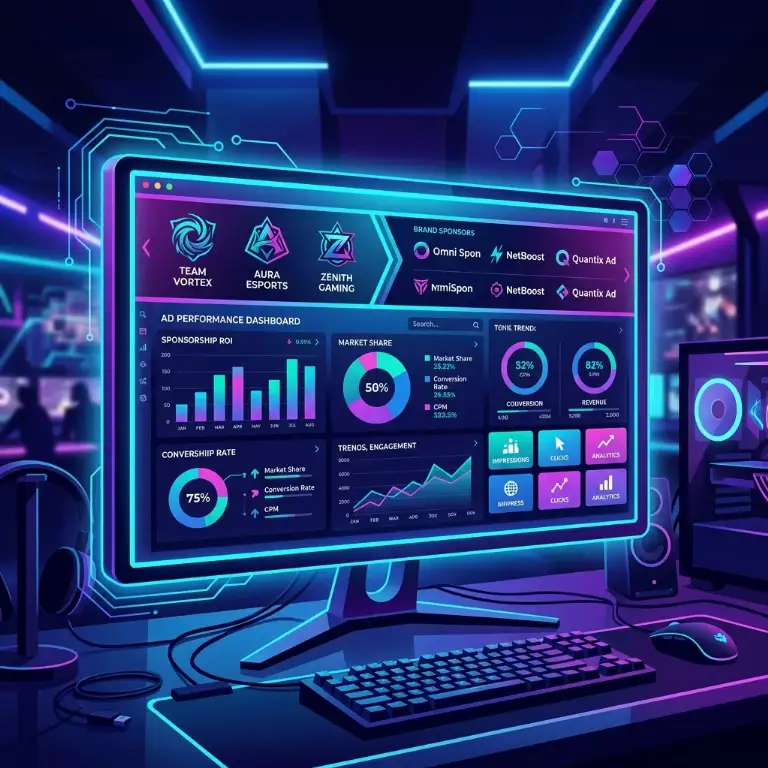
Making money playing video games is not limited to viewer subscriptions or game key affiliate commissions. As soon as your audience matures and demonstrates consistent engagement, lucrative commercial avenues unlock: brand sponsorship deals, joining a professional esports organization, and monetizing your gaming website through targeted display advertising.
Over the years, I have seen far too many gifted content creators accept insulting low-ball sponsorship deals or sign exploitative esports contracts simply because they lacked basic legal and business savvy. When it comes to website monetization, countless creators settle for pennies with Google AdSense when specialized gaming ad networks deliver three times higher RPMs.
This third installment in our monetization series details the contractual essentials of brand sponsorships, breaks down the anatomy of professional esports agreements, and reviews elite gaming ad networks to maximize traffic revenue on gaming portals and blogs.
Pitching Brands and Structuring Sponsorship Deals
Sponsorships do not materialize out of thin air. While brands may occasionally reach out once you hit major viewership milestones, the vast majority of lucrative deals come from proactive pitching. To win over marketing managers, you must speak their language: conversion metrics, return on investment (ROI), and key performance indicators (KPIs).
The Media Kit: Your Professional Creator Resume
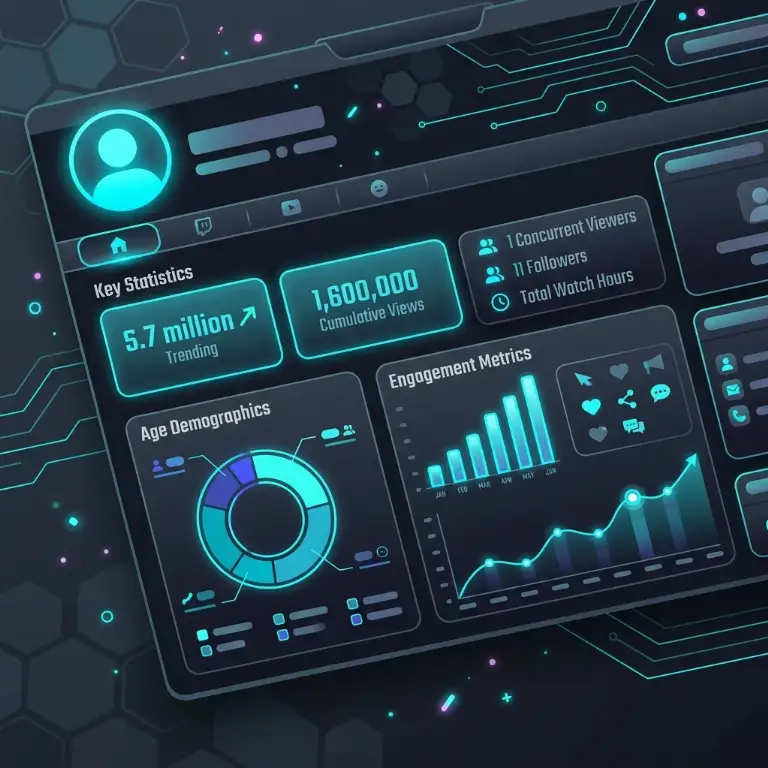
Your media kit is the polished presentation deck you attach to brand outreach emails. Keep it concise (two to three pages max), visually striking, and packed with verified metrics:
- Audience Demographics: Median age, gender breakdown, and geographic distribution (e.g., 72% male, 18-34 age bracket, heavily concentrated in North America and Western Europe).
- Engagement Metrics: Average concurrent viewership (CCV), total broadcast hours, social media engagement rates (X/Twitter, TikTok, YouTube Shorts), and monthly unique visitors on your website.
- Case Studies and Proof of Concept: If you ran past campaigns or affiliate promotions, highlight tangible results (e.g., 250 units sold for Game X in a 7-day launch window).
Contractual Deliverables and Publicity Rights
The moment a sponsor agrees to collaborate, lock down terms in a binding written agreement. Never start streaming or promoting on casual email promises or Discord handshakes. A rock-solid sponsorship agreement must define several critical clauses:
- Clear Deliverables: Specify exact commitments (e.g., brand logo overlay across 40 live broadcast hours per month, two promotional posts on X/Twitter, and one verbal shoutout per stream).
- Publicity Rights (Name, Image, and Likeness): Define precisely where and for how long the sponsor can use your name, avatar, likeness, and gameplay clips in paid ad campaigns. Always cap licensing duration strictly to the active term or a maximum of 12 months post-campaign.
- Exclusivity Clauses: Brands frequently demand category exclusivity. Keep this scope narrow: agreeing not to promote a rival gaming headset brand is standard, but you should retain full freedom to partner with energy drink or PC hardware manufacturers.
Decoding Professional Esports Player Contracts
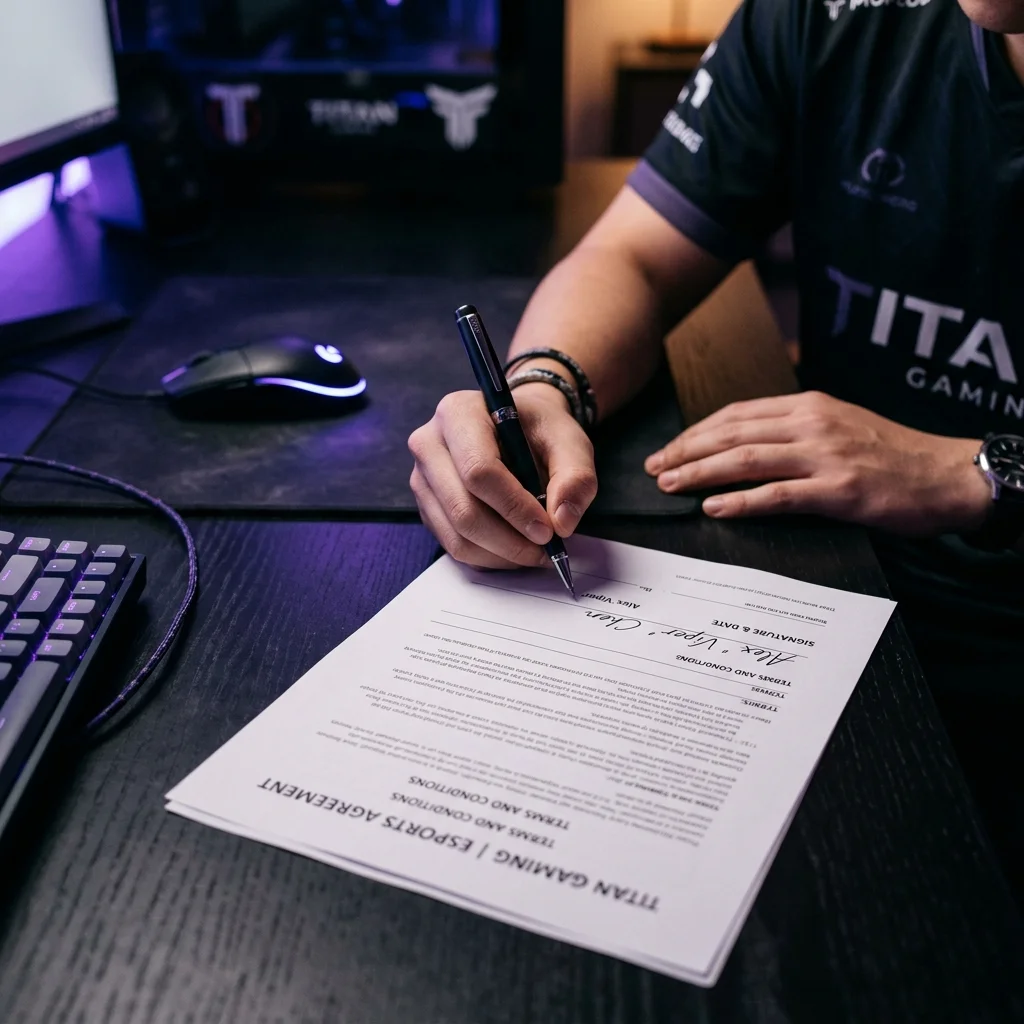
Signing a professional contract with an esports organization is the dream of thousands of competitive gamers. In regulated markets like France and across the European Union, the sector operates under specialized legal frameworks: such as official esports athletic employment contracts: that guarantee pro players labor protections, health insurance, and structured working hours.
The Compensation Structure of a Pro Gamer
A professional esports agreement revolves around three core financial pillars that require careful negotiation:
- Base Salary: The guaranteed monthly paycheck disbursed by the organization. Depending on the tier and region, this ranges from modest developmental stipends to lucrative five-figure monthly salaries in premier tier-1 leagues.
- Prize Pool Splits: The most common point of friction. Tournament cash prizes are historically divided between player and organization. Fair industry standards sit between 80/20 and 90/10 in favor of the player. Steer clear of organizations demanding more than 20% to 30% of your tournament earnings.
- Merchandise Royalties: If the team sells custom player jerseys with your gamertag or branded signature gear, the contract should guarantee royalties (typically 10% to 20% of net sales) paid directly to you.
Remember that organizations maintain their own roster of corporate sponsors. Your player contract will require you to wear official team jerseys displaying sponsor branding at LAN tournaments and use partner hardware during competitions. Pro contracts routinely carve out exemptions for personal input peripherals (mice, keyboards, and mousepads), acknowledging that ergonomic muscle memory is paramount for competitive performance.
Monetizing Your Gaming Website with Specialized Ad Networks
If you run a gaming news blog, esports guide hub, or dedicated portal (like pro-gamer.gg), display advertising is a powerful vehicle for recurring revenue. However, relying directly on Google AdSense is a major strategic blunder for gaming publishers. AdSense RPM (revenue per thousand pageviews) in the gaming vertical rarely tops $1.00 to $1.80 (€0.80 to €1.50) in European traffic.
To dramatically boost ad yield, creators must partner with premium ad networks specializing in gaming and tech. These networks aggregate inventory across hundreds of gaming sites to negotiate high-CPM direct campaigns with major publishers (EA, Ubisoft, Riot Games) and elite PC hardware brands.
| Ad Network | Average CPM (Europe) | Average CPM (USA) | Traffic Requirement |
|---|---|---|---|
| NitroPay (Playwire) | $1.60 - $3.80 (€1.50 - €3.50) | $6.00 - $13.00 | No strict minimum |
| Playwire Premium | $2.20 - $4.90 (€2.00 - €4.50) | $8.50 - $16.00 | > 100k pageviews/month |
| Ezoic / Venatus | $1.30 - $3.30 (€1.20 - €3.00) | $5.50 - $11.00 | 10k pageviews (Ezoic) |
NitroPay: The King of Indie Gaming Monetization
NitroPay is a standout independent ad network widely celebrated across the gaming community because it does not enforce prohibitive traffic barriers and delivers a clean, transparent control panel. Leveraging header bidding technology, NitroPay forces dozens of premium SSPs (Supply-Side Platforms) to compete in real-time auctions for every ad impression on your site, driving up effective CPMs.
A critical dynamic to master is your traffic geography (Tier 1 vs Tier 2 geos). The US digital advertising market is exceptionally mature and lucrative: for the exact same gaming article, programmatic CPMs for US visitors can reach $6.00 to $13.00, compared to $1.60 to $3.80 for European readers. Building an English-language editorial presence instantly multiplies the revenue potential of your web properties.
Playwire and Venatus
Playwire and Venatus represent the gold standard for high-traffic gaming portals. They deploy high-impact, custom ad experiences including site skins, responsive sticky video players, and rich media interactive billboards. Unlocking these premium tiers requires significant scale (typically 100,000+ monthly pageviews), but delivers exceptional RPMs driven by direct brand campaigns with gaming media buyers.
The secret to sustainable website monetization is balance: never compromise user experience or page load speed with excessive ad clutter. Overcrowded layouts alienate readers and hurt your Google Core Web Vitals and organic search rankings.

SEO consultant for over 20 years and digital entrepreneur, Charles 'Grimtag' Ronchain is the founder of Pro-Gamer.gg, Retrocharting.com, and Gamescharting.com. A competitive gamer, streamer, and retro game collector, he has worked in the video game industry for over 15 years, notably as a consultant for leading game price comparison platforms. Passionate about real-time performance data and gaming technology, he analyzes competitive esports, gaming hardware benchmarks, and creator workflows on Pro-Gamer.gg with an authentic player perspective.