10% on PS6 and 8% on Xbox Project Helix: Why Game Studios Are Holding Back on Next-Gen in the GDC Survey
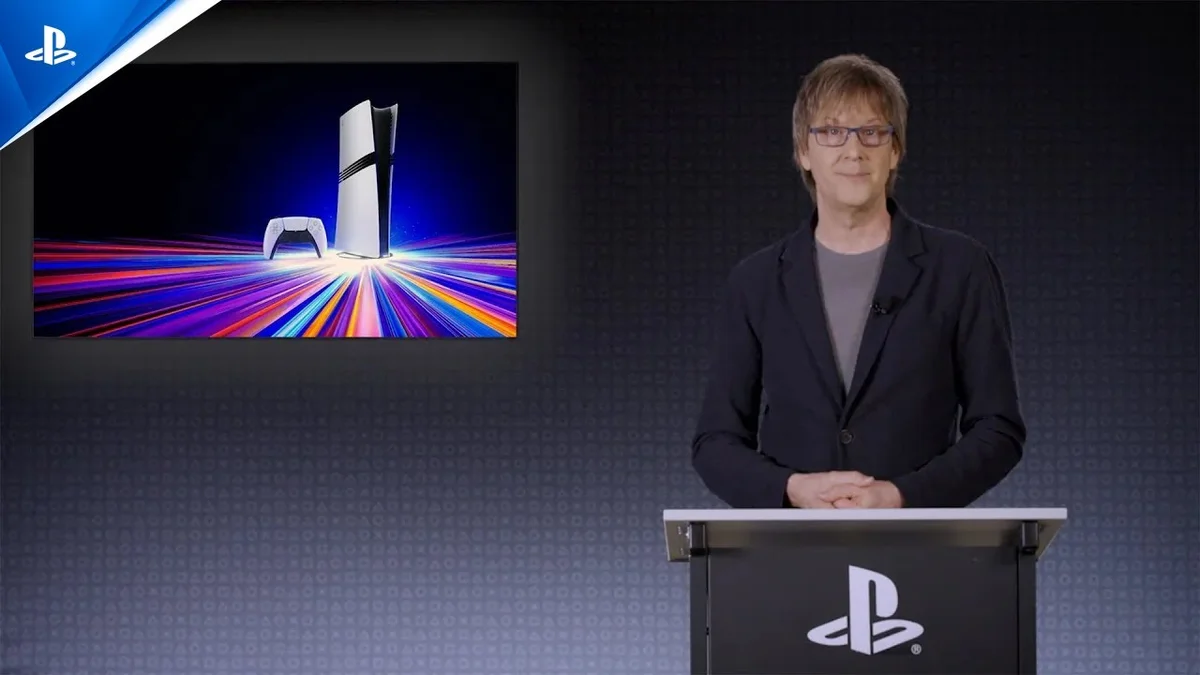
While hardware leaks surrounding Sony and Microsoft's next-generation consoles continue to heat up ahead of a targeted 2027 window, the day-to-day reality inside development studios tells a much more cautious story. According to the 15th edition of the State of the Game Industry: November 2026 report published by the Game Developers Conference (GDC Festival of Gaming) across more than 2,600 industry professionals in 69 countries, only 10% of surveyed developers are currently building or planning a project for the next PlayStation (PS6), and just 8% are actively targeting Microsoft's next-generation Xbox Project Helix.
PC Dominates at 81%, Switch 2 Surges, and Gen 10 Starts Slow
By shifting its flagship annual barometer to November to capture a full year-end snapshot of the sector, GDC provides a clear breakdown of where studio budgets are actually flowing. Far removed from speculative hype over 3nm silicon, engineering teams are overwhelmingly focusing their pipelines on established, revenue-generating platforms.
Unsurprisingly, PC remains the undisputed king with 81% of developers targeting it for their current or upcoming game. Among current living-room consoles, the PlayStation 5 (and PS5 Pro) leads at 45%, followed by Xbox Series X|S at 37%. On the handheld and hybrid front, Valve's Steam Deck commands active support from 32% of studios (with up to 38% expressing strong interest), while the Nintendo Switch 2 already accounts for 29% of active projects and sparks interest from 47% of surveyed creators.
| Target Platform (GDC November 2026) | Active Studio Projects | Key Trend & Notes |
|---|---|---|
| PC | 81% | Primary foundation for both indie and AAA studios |
| PlayStation 5 / PS5 Pro | 45% | Leading living-room console target |
| Xbox Series X|S | 37% | Steady multiplatform pipeline share |
| Valve Steam Deck | 32% | Up to 38% overall developer interest |
| Nintendo Switch 2 | 29% | 47% of surveyed developers express strong interest |
| Next PlayStation (PS6) | 10% | Early production limited to core partner studios |
| Xbox Project Helix (Next-Gen) | 8% | Explicitly named by codename in the GDC survey |
| Virtual & Mixed Reality (VR/AR/MR) | 3% | Sharp contraction (down from 8% in the previous wave) |
At the bottom of the chart, virtual and mixed reality hardware suffered a steep contraction: only 3% of respondents are actively working on a VR, AR, or MR title (down from 8% previously), while overall developer interest in headset platforms dropped from 12% down to 8%.
Devkit Access, Native PC Architecture, and Studio Layoffs Explain the Gap
Why are 90% of surveyed studios holding off on PlayStation 6 and next-gen Xbox production when late 2027 silicon targets are already taking shape? The most immediate bottleneck is development kit distribution. Two years out from a potential hardware launch, early devkits and final silicon targets stemming from Sony and AMD's Project Amethyst partnership or Microsoft's hardware labs remain restricted to first-party teams and select AAA publishers.
In Microsoft's case, that 8% figure also reflects a fundamental shift in console architecture. As detailed in our recent breakdown of Xbox Project Helix running native Windows PC games with AMD GPU neural rendering, many studios checking the PC (81%) box in GDC's survey are already building titles that will run natively on Microsoft's next-generation hardware without requiring an isolated console port pipeline today.
Above all, economic pressure is forcing studios to minimize financial risk. The same November 2026 GDC report reveals that 34% of surveyed professionals have been laid off within the past two years (climbing to 39% in the United States), while 65% report that workplace conditions have negatively impacted their mental health. That widespread instability, which also fuels the pushback seen in GDC's findings that 40% of developers use generative AI while 55% warn it hurts the industry, leaves publishers reluctant to fund costly exclusives for unlaunched hardware.
Rather than locking millions of dollars into standalone tenth-generation showcases before a single console is sold, teams are prioritizing scalable engines built to ship across PC, PS5, Xbox Series X|S, and Nintendo Switch 2,setting the stage for the longest cross-generational bridge the industry has ever seen.

My Take on the Spec Sheet
Nobody should misread these 10% PS6 and 8% Xbox Project Helix numbers as a lack of faith in AMD's upcoming RDNA 5 silicon; they are simply a reflection of hard economic gravity. I was discussing the numbers this morning with Grimtag: when nearly two out of five US developers have experienced a layoff in the past twenty-four months and PC captures 81% of active projects, no sensible studio is going to burn cash on hardware with an install base of zero. From an engineering standpoint, Microsoft's convergence between Windows and Xbox Project Helix also changes how we read platform surveys altogether: by optimizing their engines for DirectX, Steam Deck, and PC today, developers are effectively laying the groundwork for tenth-generation hardware without needing to check a separate console box.

PC hardware enthusiast and competitive gamer, Arthur 'Heimdall' splits his time between France and the UK working in enterprise B2B software solutions. A business school graduate passionate about component benchmarking, he has been building, modding, and tuning PCs since childhood, optimizing every thermal degree and millisecond of display latency. An avid gamer across Assassin's Creed and sandbox titles, he forged his alliance with Grimtag and Chaya during late-night World of Warcraft raids before joining Pro-Gamer.