From 176×208 Pixels on Nokia N-Gage to 4K 120 FPS on PC: How Shadowkey Reforged Revives the Lost Elder Scrolls Spin-Off
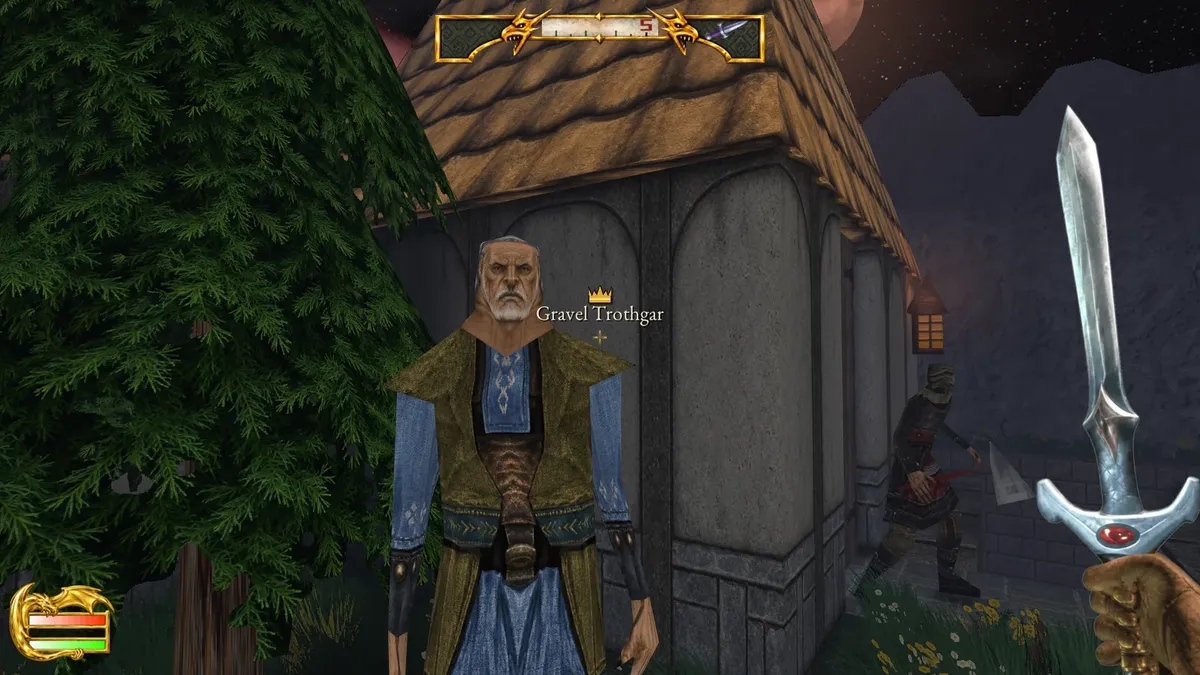
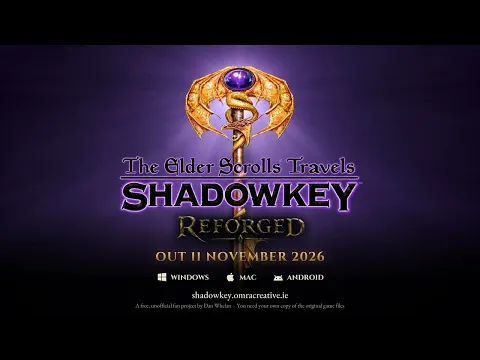
Released in November 2004 exclusively for Nokia's N-Gage handheld hybrid in the gap between Morrowind and Oblivion, the portable spin-off The Elder Scrolls Travels: Shadowkey spent the last 22 years trapped on a vertical 176×208 pixel screen and clunky mobile emulators. On Wednesday, November 11, 2026, independent Irish developer Dan Whelan is launching Shadowkey Reforged for free on Windows, macOS, and Android: a ground-up engine rewrite that runs the classic Vir2L Studios and Bethesda RPG in widescreen at up to 4K resolution and 120 FPS.
The release date is a deliberate nod to Elder Scrolls history, landing on the exact 15th anniversary of the fifth mainline installment. Coming just days after Skyrim's 20% player surge ahead of its 15th anniversary, this preservation project rescues a forgotten first-person adventure set along the war-torn borderlands of Hammerfell, High Rock, and Skyrim.
A Scratch-Built DirectX 12, Vulkan, and Metal Engine With Zero N-Gage Emulation
On Nokia's original 2003 handheld deck, Shadowkey relied entirely on software rendering with no 3D hardware acceleration. To keep frame rates hovering between 15 and 25 frames per second, the game hid its environments behind an abrupt wall of darkness and mist just 11 cells ahead of the player.
As detailed on the official Shadowkey Reforged website, this release does not emulate the N-Gage phone at all. Instead, the ~15 MB download is a brand-new native engine built from scratch using DirectX 12 and Vulkan on Windows PC, Metal on Apple Silicon Macs (M1 or later), and Vulkan on Android devices.
To remain strictly within legal boundaries, the project distributes zero copyrighted code or assets from Bethesda Softworks, ZeniMax, or Nokia. On first launch, players must point the software to the 6R51 folder extracted from their own original Nokia N-Gage MMC game card. The engine decodes the original levels, 3D models, and six built-in language files while running all 1,533 original game scripts untouched at the original internal logic rate of 25 updates per second, while drawing the picture smoothly at up to 120 Hz.
Classic 2004 Handheld Mode vs. 4K Modern Mode With Mainline Mechanics
When starting a new character, players can choose between Classic and Modern modes, with almost every enhancement individually toggleable in the options menu. Classic mode preserves the authentic 2004 handheld experience in the center of the display: the tall 176×208 aspect ratio with integer-scaled Original Pixels, a 15 to 25 FPS cap, the 11-cell draw distance fade, still water, and enemies dying in a rigid T-pose before vanishing into a loot bag five seconds later.
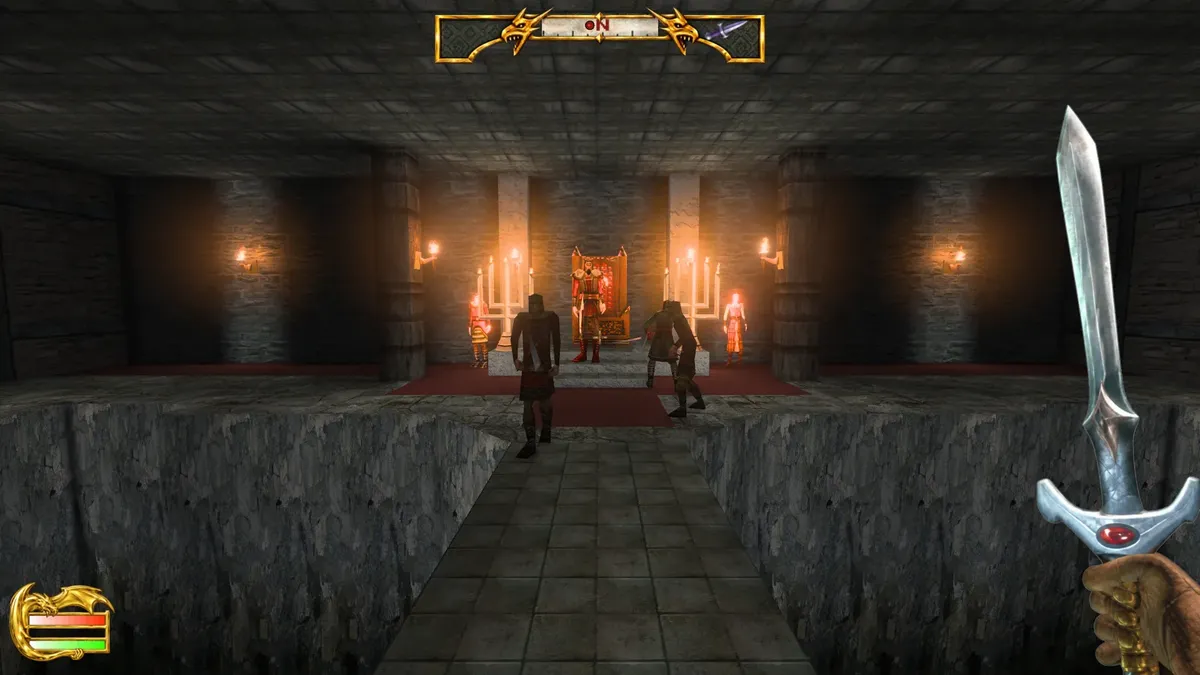
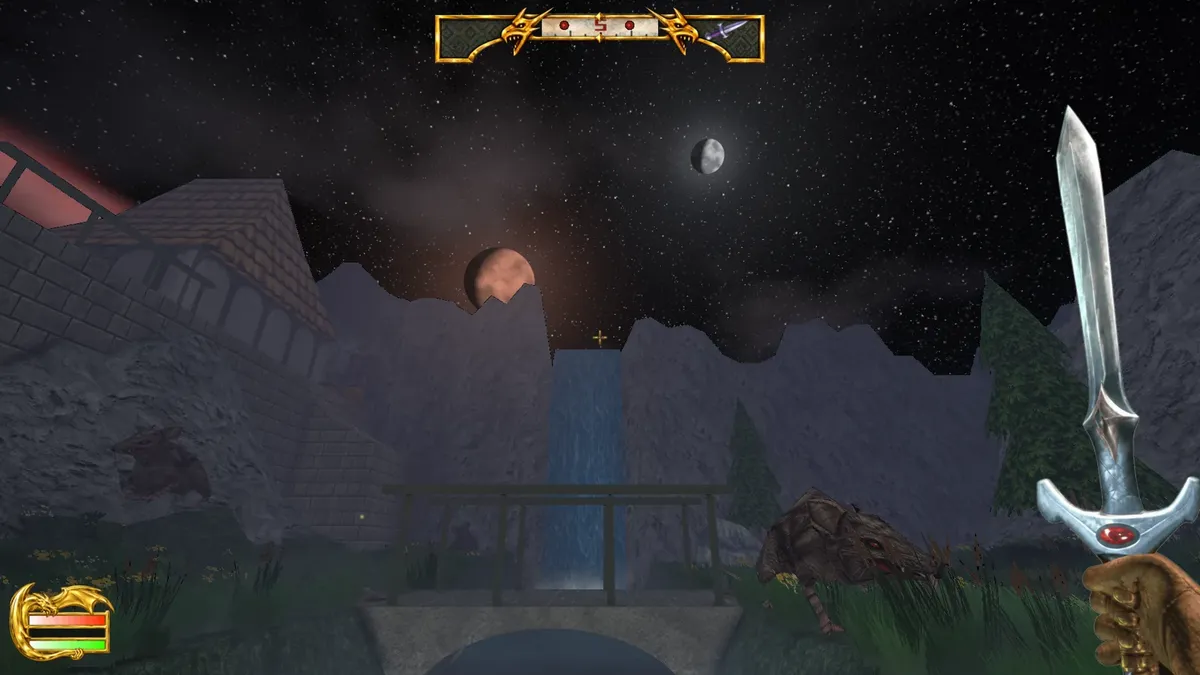
Modern mode overhauls the War of the Bend'r-mahk and the battle against the shadow mage Pergan Asuul. Out of 748 original textures and images in the game files, 674 assets have already been recreated at up to 4K resolution, including all 282 character and creature skins and 211 out of 213 level textures. In the project's FAQ, Whelan notes that he used AI tools to assist with coding, debugging, and base image generation, combined with Photoshop and manual sprite editing to complete the high-resolution artwork.
- Visual and Environmental Upgrades: Full 16:9 widescreen field of view, bloom and ambient occlusion lighting, surface depth normal maps on stonework, dynamic rainstorms with puddles and distant thunder, falling snow in Snowline, reflective rippling water, and real 3D views through doorways and cave mouths instead of flat painted textures.
- Mainline Elder Scrolls Gameplay Additions: Stamina-based sprinting (mapped to L3 on controllers), crouch stealth with an eye detection indicator and 1.5× sneak attack damage, ragdoll death physics, fall damage, searchable barrels and wardrobes, enemy health bars, and world map fast travel.
- Controls and Handheld Support: Full mouse-look and rebindable keyboard controls, Xbox, PlayStation (DualShock 4 and DualSense), and Switch Pro controller support with rumble, plus tailored optimizations for Windows handhelds like the ROG Ally and dual-screen Android devices like the AYN Thor (which places the interactive map, quest log, and inventory on the bottom touch screen).
Seamless Audio Integration With The Elder Scrolls III: Morrowind
Back in 2004, one of Shadowkey's standout features was its use of Jeremy Soule's score from the third mainline game, heavily compressed to fit on an N-Gage memory card. Revisiting cities like Dragonstar and Azra's Crossing carries extra weight for lore fans today following the official reveal of The Elder Scrolls VI: Sentinel in Hammerfell, the very province whose eastern borderlands anchor this spin-off's campaign.
In Modern mode, Shadowkey Reforged takes that connection a step further: if you point the engine to a local installation of The Elder Scrolls III: Morrowind (from Steam, GOG, or an original disc), it automatically reads the uncompressed orchestral exploration and combat tracks, weapon swooshes, spell blasts, NPC voice greetings, and surface-specific footsteps directly from your Data Files directory without copying or redistributing a single byte.
My Field Notes
Out of the entire early-2000s The Elder Scrolls Travels mobile lineup (alongside the Java dungeon crawlers Dawnstar and Stormhold), Shadowkey was the only genuine real-time 3D RPG with deep lore around Shadow Magic and the Star Teeth. The catch was that playing it on Nokia's infamous taco-shaped phone with a cramped numeric keypad and a 10-foot wall of fog was an endurance test. Ironically, pushing back that brutal N-Gage draw distance exposes low-poly enemies lurking statically in the middle distance, which makes the ability to toggle every Classic and Modern setting individually so valuable. Whether you keep the claustrophobic 2004 fog or crank the engine to 4K 120 FPS with uncompressed Morrowind audio, Dan Whelan has rescued a chapter of Tamriel history that Bethesda itself left behind two decades ago.
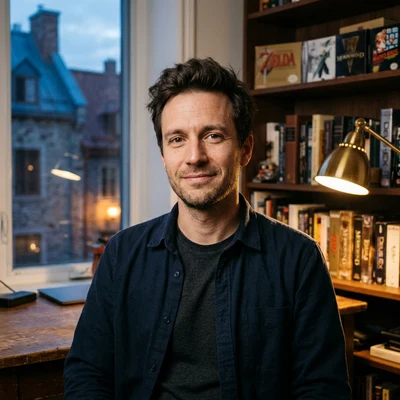
Originally from Lyon, France, gaming journalist Bastien "Orion" relocated nearly a decade ago to Quebec City's Saint-Roch district, right in the heart of eastern Canada's development studio hub. Before crossing the Atlantic, he honed his versatile reporting style across classic French gaming web portals and specialist television outlets in the 2000s and 2010s, notably with JeuxVideo.fr and JeuxNews. Equally passionate about AAA blockbusters, North American studio culture, retro preservation, and community modding projects, he anchors Pro-Gamer's transatlantic desk and real-time coverage of US and Japanese industry announcements.