Just 2% Buy on the Microsoft Store and $150 Lost Per Unit: Why Project Helix May Rethink Steam Integration
The dream of a tenth-generation living room console capable of running every PC storefront is colliding head-on with financial reality in Redmond. While Microsoft's upcoming Xbox Project Helix hybrid hardware is engineered to bridge console and PC gaming, opening the door natively to Steam threatens the core software revenue stream that keeps console hardware viable.
For four decades, the console business model has relied on a strict economic loop: platform holders sell hardware at or below manufacturing cost and recoup those subsidies by collecting a 30% commission on every third-party game, expansion, and microtransaction sold through their proprietary digital store. On an open system where rival PC marketplaces operate freely, that guaranteed cut vanishes into Valve's pockets.
Inside the ROG Xbox Ally Telemetry: 98% of New Players Head Straight to Steam
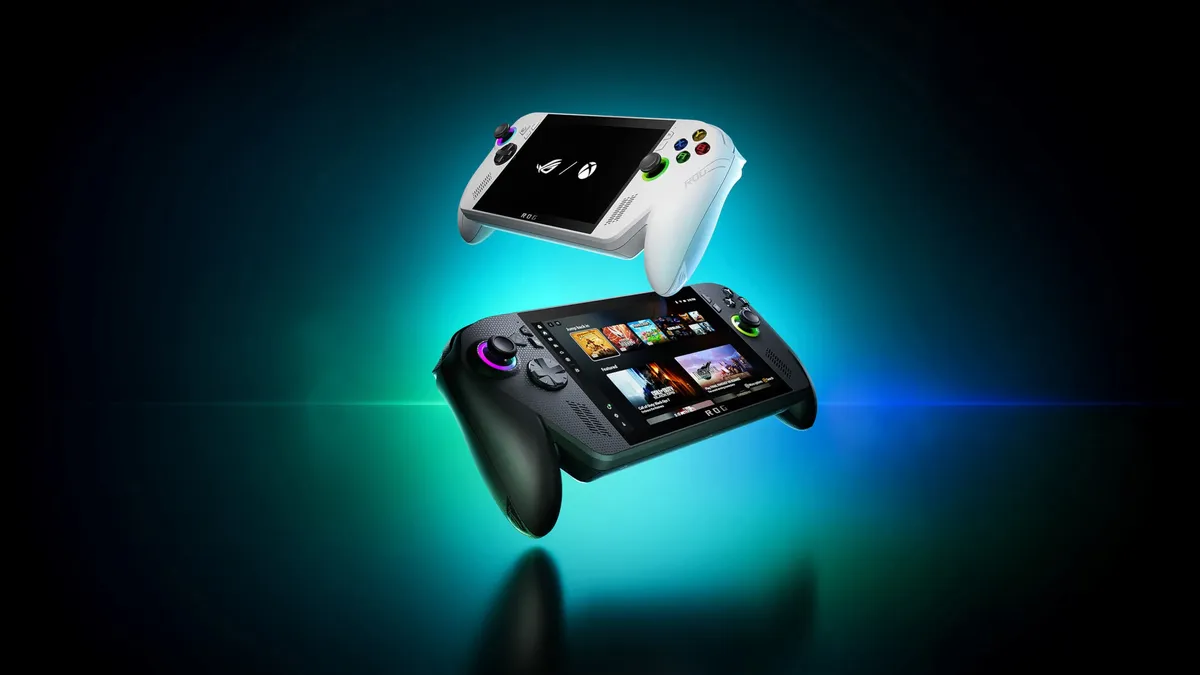
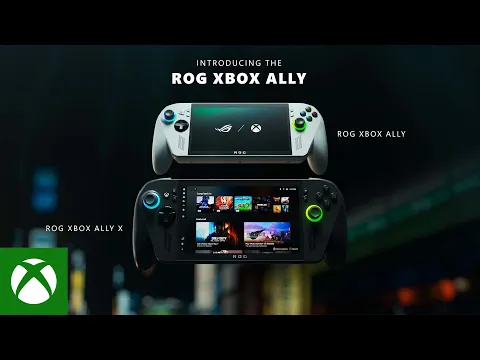
Microsoft leadership now has concrete internal telemetry illustrating this exact risk thanks to the ASUS ROG Xbox Ally handheld PC, which retails at $999.99. According to internal Xbox documents compiled last winter, roughly 75% of ROG Xbox Ally owners hold an active Xbox Game Pass Ultimate or PC Game Pass subscription.
However, the purchasing habits of the remaining 25% of non-subscribing users paint a stark picture for Microsoft's storefront attach rate. Among non-subscribers who already own an Xbox home console, roughly a quarter purchased standalone games through the Xbox PC store ecosystem.
When looking at ROG Xbox Ally buyers who do not own an Xbox console, that attach rate plunges to a meager 2%, or just one in fifty players. Nearly 98% of those new non-subscribing users bypassed Microsoft's digital storefront entirely and went straight to Steam to buy their games.
Check Availability for ASUS ROG Ally X on Amazon→
$150 Lost Per Xbox Series X|S and the Trap of Subsidizing Valve's Cash Register
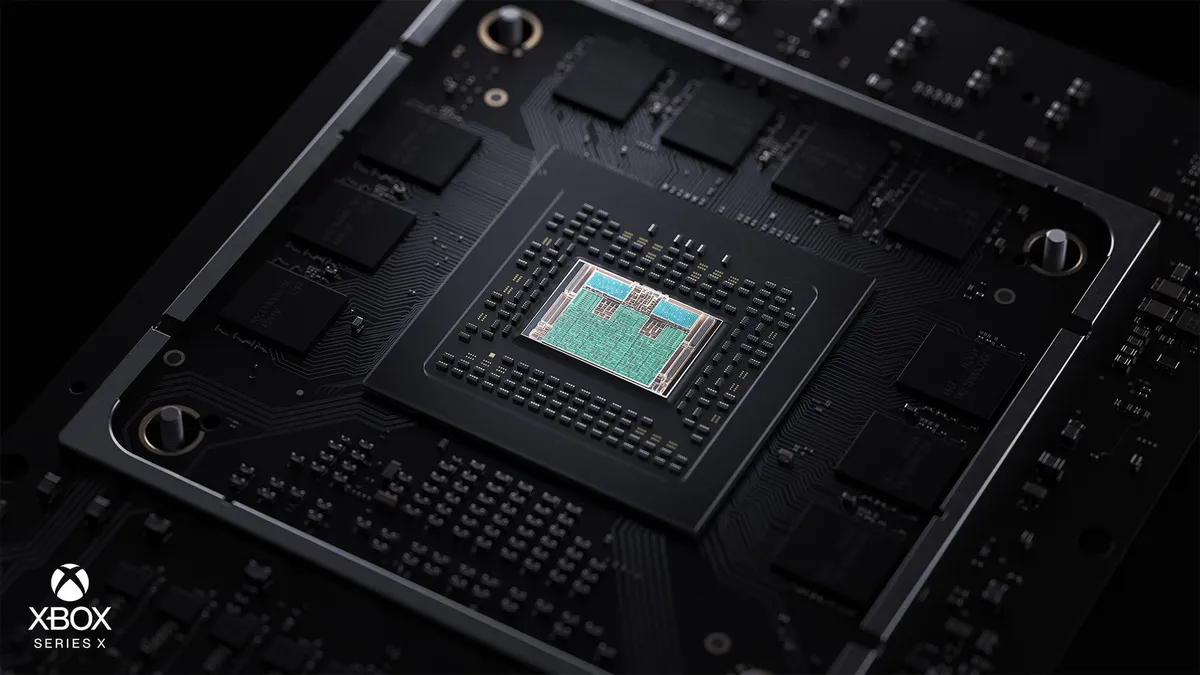
Those storefront numbers become unsustainable when paired with the ongoing global memory shortage driven by artificial intelligence data centers. Across recent manufacturing batches, Microsoft is losing approximately $150 per Xbox Series X|S console sold due to surging DRAM costs, and the company is projected to continue losing money on each unit even after hardware price hikes.
Even when a PC player buys a title on the official Xbox PC store, Microsoft pays out 90% of the sale to developers and retains only a 10% cut, far below the standard 30% console royalty. If Project Helix were sold as subsidized hardware that users primarily boot up to launch Steam, Microsoft would absorb massive manufacturing losses while handing software profits to its biggest PC rival, prompting one former Xbox executive to warn that such a machine would amount to "subsidizing Valve's cash register."
Valve itself reached the exact same economic conclusion with its own living room hardware. When unveiling its new Steam Machine equipped with 512 GB of SSD storage (without a controller), Valve priced the entry-level model at $1,049, explicitly stating that an open PC system cannot be subsidized at a loss because there is no guarantee buyers will use it exclusively to purchase games on Steam.
That inability to rely on closed-loop software subsidies is a primary driver behind internal projections placing Xbox Project Helix between $1,200 and $1,800 by Holiday 2028 if Microsoft prices the system like a standalone gaming PC.
Asha Sharma Leaves the Door Uncommitted as Matthew Ball Re-Evaluates Helix
Recent statements from Xbox leadership reflect growing caution around unrestricted third-party storefronts. Although production contracts for AMD's custom "Magnus" hybrid APU silicon are already signed and costed out, Xbox Chief Strategy Officer (CSO) Matthew Ball confirmed that certain aspects of Project Helix are currently being re-evaluated internally.
Xbox CEO Asha Sharma has taken a similarly measured stance. Even though Epic Games Store head Steve Allison previously indicated that his marketplace had held talks with Microsoft to appear on the next-generation Xbox at launch, Sharma declined to confirm native support for either Steam or the Epic Games Store following an internal memo co-authored with Chief Content Officer Matt Booty.
"I wasn't part of those conversations, so we'll make those decisions going forward as a team and with our partners. Our goal with an open ecosystem is to invite more people to create on the platform and more players to participate in customizing and extending that."
Asha Sharma, CEO of Xbox
Another strategic incentive for full Steam access has also evaporated: Sony PlayStation's internal pivot away from bringing its flagship single-player console exclusives to PC means Project Helix can no longer pitch Steam integration as a backdoor way to play future PlayStation blockbusters on an Xbox device.
Revenue Sharing, 'S Mode' Tiers, or PC Pricing: Microsoft's Three Paths Forward
To reconcile Asha Sharma's pledge that Project Helix will play PC games without gutting Xbox's software margins, three potential models are being weighed in Redmond:
- Curated Partner Storefronts With Revenue Sharing: Rather than giving unrestricted access to Steam (where Valve has zero incentive to share its 30% cut after generating an estimated $11.1 billion in gross revenue in the first half of 2026 alone), Microsoft could strike revenue-sharing agreements with partner stores integrated directly as extensions inside the Xbox PC app, similar to Battle.net, Ubisoft Connect, GOG, and the Epic Games Store.
- A Two-Tier 'S Mode' Paywall or Pro Edition: Releasing a subsidized base model of Project Helix locked to the Microsoft Store and curated partners, while offering either a higher-priced "Pro" hardware SKU or a paid software upgrade that unlocks full Windows-style access to Steam.
- Unsubsidized PC-Style Hardware Pricing: Selling Project Helix at a profit-generating price point above $1,000 while relying on Xbox Cloud Gaming, the dedicated 2027 Xbox handheld, and an extended Xbox Series X|S lifecycle to serve budget-conscious players.
My Take on the Spec Sheet
Let's be real for a second: that 2% Microsoft Store attach rate among new ROG Xbox Ally owners is brutal on paper, but it shouldn't shock anyone who plays on PC. Given a free choice between Valve's decades-old Steam library and the Windows storefront, 49 out of 50 players will hand their wallet to Gabe Newell without thinking twice.
As our hardware specialist Arthur "Heimdall" broke down when analyzing the 56 TFLOPS and 30 GB of GDDR7 inside Xbox Helix, heavily subsidizing an expensive AMD Magnus powerhouse only for buyers to spend 98% of their software budget on Steam would be financial suicide for Microsoft. Either Project Helix ships completely open with a $1,200+ PC price tag, or Asha Sharma locks down the default storefront to keep the living room box affordable. Even Microsoft cannot have it both ways.

PC hardware enthusiast and competitive gamer, Arthur 'Heimdall' splits his time between France and the UK working in enterprise B2B software solutions. A business school graduate passionate about component benchmarking, he has been building, modding, and tuning PCs since childhood, optimizing every thermal degree and millisecond of display latency. An avid gamer across Assassin's Creed and sandbox titles, he forged his alliance with Grimtag and Chaya during late-night World of Warcraft raids before joining Pro-Gamer.