Same LGA 1954 Socket as Nova Lake, Griffin Cove P-Cores, and a 2028 Target: Inside Intel's Razor Lake-S Desktop CPU Roadmap
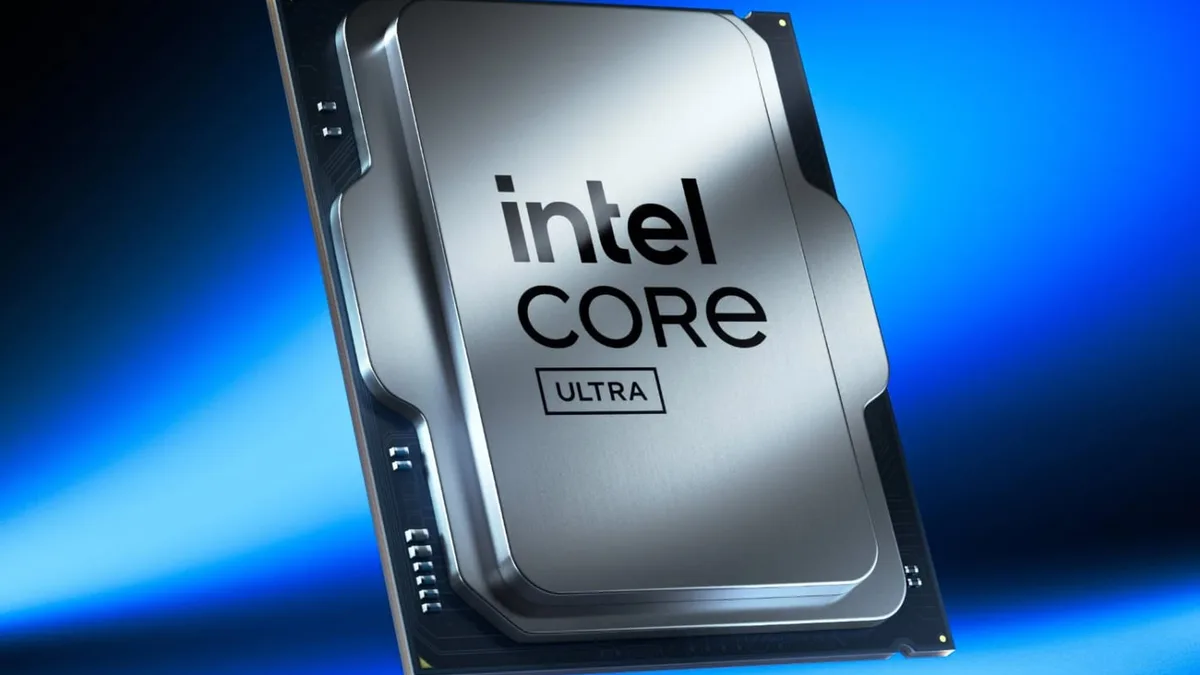
Swapping out a motherboard every time you upgrade your processor has been one of the biggest frustrations for Intel PC builders, especially after the short-lived LGA 1851 platform. While the upcoming Nova Lake-S (Core Ultra 4000) lineup is set to debut a brand-new desktop platform in the first half of 2027, early specifications for its direct successor are already taking shape. Codenamed Intel Razor Lake-S, this next-generation desktop CPU family is currently targeting a 2028 release window while keeping the exact same LGA 1954 socket.
A 2028 Launch Window Backed by Early CPU-Z and HWiNFO Support
The latest roadmap update comes from reliable hardware leaker Jaykihn on X. When asked whether Razor Lake-S could arrive as early as late 2027, the insider stated that it is not currently scheduled for next year, pointing instead to a 2028 launch window roughly one year after Nova Lake-S hits retail shelves.
This timeline aligns with preliminary support for the Razor Lake family recently added by CPUID in its latest CPU-Z diagnostic utility update, alongside early hardware IDs spotted in HWiNFO. Beyond standard desktop processors (Razor Lake-S), the architecture will scale across high-performance gaming laptops through the Razor Lake-H and Razor Lake-HX series, as well as a flagship enthusiast APU variant dubbed Razor Lake-AX, which has been linked to up to 700 TOPS of AI compute performance.
LGA 1954 Socket Continuity: A Drop-In Upgrade Path After Nova Lake-S
For PC gamers and hardware enthusiasts, the standout detail is platform longevity. Intel Razor Lake-S processors will drop directly into the LGA 1954 socket and run on the same Intel 900-series chipset motherboards introduced with Nova Lake-S. Following the first pictured Intel Nova Lake-S motherboard with the LGA 1954 socket, which confirmed that existing LGA 1700 and LGA 1851 CPU coolers remain mechanically compatible, this multi-generational socket commitment marks a major shift for desktop builders.
Users who invest in an LGA 1954 motherboard and a fast DDR5 memory kit in 2027 will have a straightforward drop-in upgrade path to Razor Lake-S in 2028 without rebuilding their entire rig. Internal platform roadmaps even suggest the LGA 1954 socket could span up to four generations through 2029 and 2030, potentially accommodating future architectures codenamed Titan Lake or Hammer Lake.
Griffin Cove P-Cores, Xe3P Celestial Graphics, and Server-Exclusive SMT
Under the hood, Razor Lake-S is positioned as a full architectural leap rather than a minor clock-speed refresh. While Intel's Nova Lake CPUs slated for a CES 2027 reveal will pair Coyote Cove performance cores with Arctic Wolf efficiency cores (scaling up to 52 total cores and 144MB of bLLC cache on gaming-focused SKUs), the 2028 lineup will introduce next-generation Griffin Cove P-cores.
- Griffin Cove P-Core Architecture: A major microarchitectural step forward that shares foundational design elements with Intel's upcoming Coral Rapids Xeon server processors scheduled for 2028.
- No SMT for Mainstream Desktops: Although Intel CEO Lip-Bu Tan previously confirmed that Simultaneous Multi-Threading (SMT) will return on data-center Coral Rapids Xeon chips, Jaykihn notes that SMT will remain strictly exclusive to the Xeon server line. Mainstream Razor Lake-S desktop processors will continue to operate without Hyper-Threading.
- Xe3P (Celestial) Integrated Graphics: Onboard graphics will step up to the Xe3P architecture. High-end iGPU configurations featuring up to 12 Xe3P cores, originally explored for the Nova Lake cycle, have reportedly been shifted into the Razor Lake family.
- Memory and Platform Support: Full support for DDR5 memory and PCIe 5.0 connectivity across the 900-series motherboard ecosystem, while final lithography nodes and maximum core counts remain under wraps.
My Take on the Spec Sheet
As a PC builder, I view socket longevity as the single most important course correction Intel needed to make on the desktop front. Leaving LGA 1851 behind after a single mainline Arrow Lake generation was a tough pill to swallow for anyone watching AMD support the AM5 socket across multiple CPU families. Knowing that an LGA 1954 motherboard and DDR5 kit purchased for Nova Lake-S in 2027 will cleanly accept Griffin Cove-powered Razor Lake-S processors in 2028 restores real confidence in the platform. We have not yet had a physical unit on our desk, and if the manufacturer's team would like to send over a review sample once these chips reach production so we can put it through our full real-world testing protocol, our lab doors are wide open.

PC hardware enthusiast and competitive gamer, Arthur 'Heimdall' splits his time between France and the UK working in enterprise B2B software solutions. A business school graduate passionate about component benchmarking, he has been building, modding, and tuning PCs since childhood, optimizing every thermal degree and millisecond of display latency. An avid gamer across Assassin's Creed and sandbox titles, he forged his alliance with Grimtag and Chaya during late-night World of Warcraft raids before joining Pro-Gamer.