CES 2027 Reveal, 18A-P Silicon, and a 5,210 PassMark Score: How Intel Nova Lake CPUs Aim to Challenge Ryzen X3D
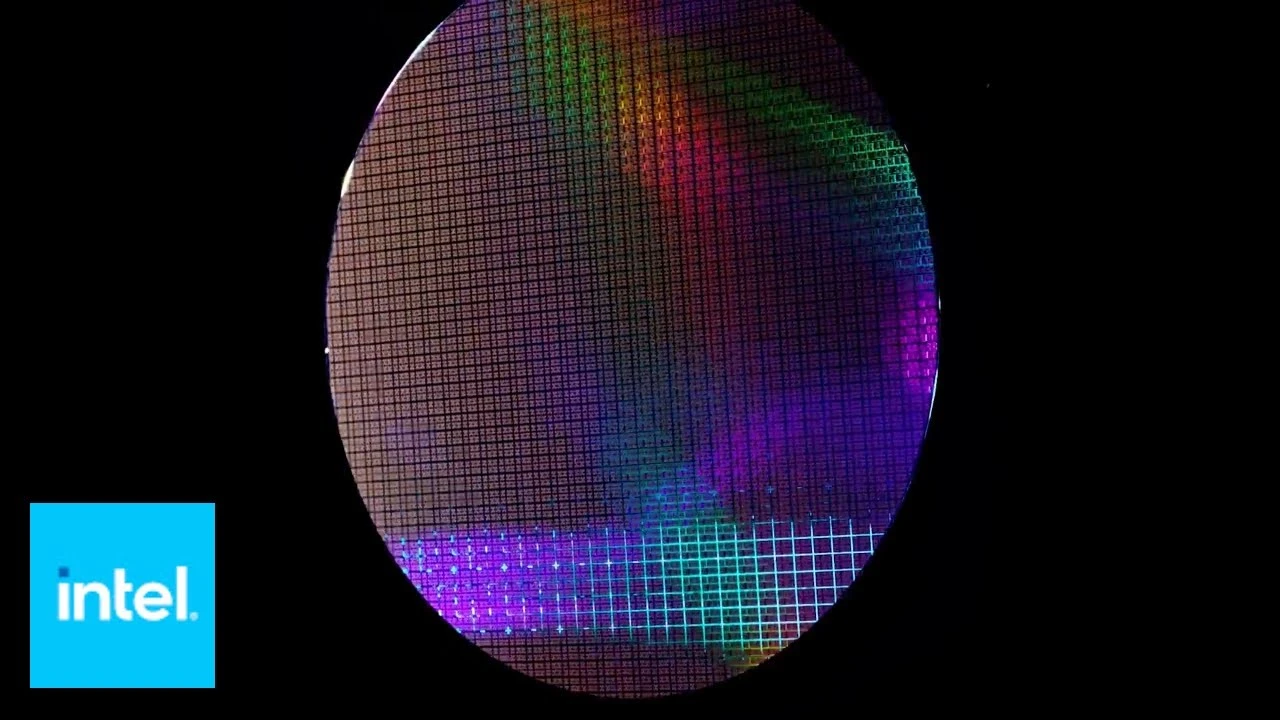
Intel's counteroffensive to reclaim the high-end gaming desktop crown now has an official date and a firm manufacturing node. Speaking during the company's third-quarter 2026 earnings call, CEO Lip-Bu Tan and CFO David Zinsner confirmed that Intel will formally showcase its next-generation Nova Lake processor lineup (expected to launch commercially as Core Ultra Series 4) at CES in January 2027. Alongside this executive confirmation, two hardware leaks have revealed the very first PassMark benchmark scores for a Nova Lake-S desktop sample and detailed how Intel plans to pair its flagship platform with the budget-friendly Raptor Lake Next lineup.
CES 2027 Reveal: Intel 18A-P Silicon Targets the High-End Desktop Gap
Addressing investors and analysts, Intel's leadership offered a candid assessment of its current desktop standing. David Zinsner openly acknowledged that Intel has had "a bit of a hole in our portfolio for high-end desktop" since the release of Arrow Lake-S, which struggled to match the gaming dominance of AMD's Ryzen X3D processors. To plug that gap in early 2027, Intel is betting heavily on the Nova Lake-S architecture and its brand-new LGA 1954 socket.
Contrary to earlier speculation suggesting Intel would outsource nearly all high-end compute tiles to TSMC, Lip-Bu Tan confirmed that Nova Lake will be the first client product family built on Intel's enhanced internal 18A-P manufacturing node. This refined process delivers roughly a 9% clock-speed improvement at identical power (or an 18% power reduction at the same frequency) compared to baseline 18A silicon. According to Tan, Nova Lake development is tracking ahead of schedule and has already secured twice the OEM design wins at launch compared to the mobile Panther Lake generation.

5,210 Points in PassMark and Up to 144MB of bLLC Cache
Intel's roadmap update coincides with the first appearance of Nova Lake-S silicon in the PassMark PerformanceTest 11.1 database. Two early engineering samples listed under the generic identifier Intel 0000 and tested on an internal NVL-S Embedded CRB 1 Fab2 Board validation platform have posted promising Single-Thread Rating results. While an entry-level 8-core sample scored 5,085 points, a larger 24-core development chip reached 5,210 points (with a second run recorded at 5,191 points).
Even with preliminary engineering boost clocks capped near 4.8 GHz and unoptimized firmware holding back multi-threaded totals, that single-core score already edges out both the current Intel Core Ultra 9 285K (~5,059 points) and the AMD Ryzen 9 9950X3D (~4,805 points). To translate this architectural leap into raw gaming frame rates, Intel's flagship desktop SKUs (spotted in leaks with a BFC suffix) will leverage the same stacked-cache strategy detailed in our breakdown of Intel's 28-core Nova Lake architecture and 144MB bLLC cache. This massive Big Last-Level Cache is engineered specifically to counter AMD's 3D V-Cache, backed by native DDR5-8000 memory support and dual-tile flagship configurations scaling up to 52 cores (16 Coyote Cove P-Cores, 32 Arctic Wolf E-Cores, and 4 LP-E cores) later in 2027.
Nova Lake-S and Raptor Lake Next: Intel's Two-Tier 2027 Strategy
While Nova Lake-S will serve as Intel's technological showcase on the new DDR5-only LGA 1954 platform, the Santa Clara chipmaker is not abandoning budget-conscious builders amid surging memory prices. That is where the second pillar of Intel's early 2027 desktop strategy comes in: the Raptor Lake Next family (expected under the Core Series 200 banner).
As highlighted by the four Intel Raptor Lake Next LGA 1700 processors spotted in shipping logs to keep DDR4 builds alive, these refreshed 12-to-20-core chips are slated to enter mass production in January 2027. By keeping the veteran LGA 1700 socket in production, Intel gives OEMs and mainstream PC gamers an affordable upgrade path that bypasses costly DDR5 memory kits.
My Take
Hearing Intel's CFO openly admit to a "hole" in the company's high-end desktop portfolio is a refreshing dose of realism after Arrow Lake-S left enthusiasts wanting more in gaming workloads. By pairing 18A-P Coyote Cove cores (which are already hitting 5,210 points in PassMark single-thread tests at conservative engineering clocks) with up to 144MB of stacked bLLC cache, I believe Intel finally has the silicon blueprint needed to go toe-to-toe with AMD's Ryzen X3D lineup. Everything now hinges on what we see at CES 2027 in January: if Intel nails the power curve and pricing on LGA 1954, the high-end CPU rivalry is going to be fiercely competitive again. We have not yet had a physical unit on our desk,if the manufacturer's team would like to send over a review sample so we can put it through our full real-world testing protocol, our lab doors are wide open.

PC hardware enthusiast and competitive gamer, Arthur 'Heimdall' splits his time between France and the UK working in enterprise B2B software solutions. A business school graduate passionate about component benchmarking, he has been building, modding, and tuning PCs since childhood, optimizing every thermal degree and millisecond of display latency. An avid gamer across Assassin's Creed and sandbox titles, he forged his alliance with Grimtag and Chaya during late-night World of Warcraft raids before joining Pro-Gamer.