Ocarina of Time on Switch 2: Why Aonuma Added New Fast Travel Warp Points Before Ordering Them Removed
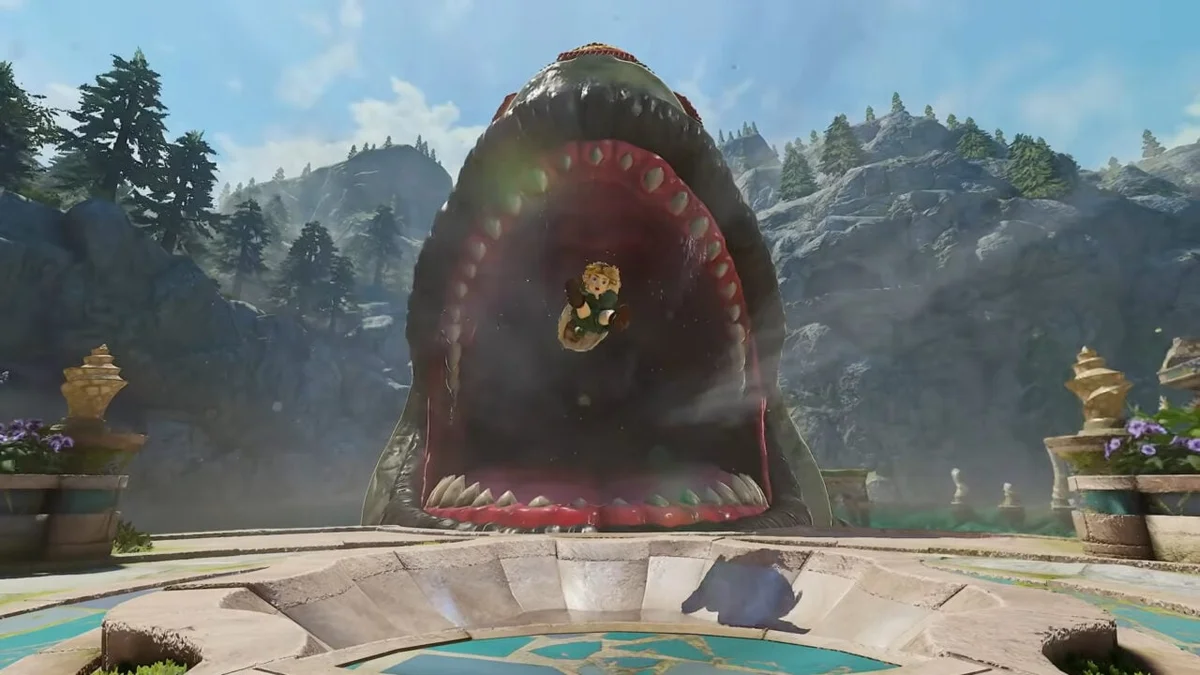
With less than forty-eight hours remaining before The Legend of Zelda: Ocarina of Time launches worldwide on Nintendo Switch 2 this Thursday, November 5, 2026, Nintendo has shared a fascinating look behind the curtain of the ground-up remake. In a new installment of the company's official Ask the Developer interview series published on November 2, longtime series producer Eiji Aonuma, Nintendo EPD co-producer Hidemaro Fujibayashi, and art director Aya Shida revealed that the team actually built new modern fast travel points into the remake before stripping every single one of them out.
As players clear storage space and check the global eShop release times and 24.54 GB pre-load details on Nintendo Switch 2, the developers' candid conversation explains why grafting Breath of the Wild-style map teleportation onto the 1998 classic backfired during internal playtesting.
From 1998's Forward Rolls to Eiji Aonuma's Request for New Warp Points
In the original 1998 release on Nintendo 64, instant teleportation across Hyrule was deliberately scarce. Fast travel was restricted to the six Ocarina warp melodies taught to Link by Sheik, such as the Minuet of Forest and the Bolero of Fire, which only dropped players onto the Triforce pedestals directly outside the five main adult temples and inside the Temple of Time.
That tight structural limitation was woven straight into the campaign's progression puzzles. For instance, players had to leap across the broken bridge in Gerudo Valley on Epona as Adult Link and brave the Haunted Wasteland to reach the Desert Colossus and learn the Requiem of Spirit before they could ever warp back to that location as Young Link.
Everywhere else, an entire generation of Nintendo 64 players famously resorted to spamming forward rolls across Hyrule Field just to shave a few seconds off their commute. Remembering how relentlessly players rolled across the overworld back in the day, Eiji Aonuma personally asked the Nintendo EPD development team to implement brand-new fast travel warp points throughout the map for the Switch 2 remake.
"We Were Missing Out on Some Moments of Discovery": Why Internal Playtests Changed Everything
Once the expanded fast travel network was up and running in internal builds of the Switch 2 remake, the development team sat down to play through the adventure with the new shortcuts active. Almost immediately, they realized that warping past the connective paths of Hyrule broke the game's pacing.
"When we tried playing with these warp points, we realized we were missing out on some moments of discovery, when you stop along the way and wonder, 'Wait, what's that?'" Eiji Aonuma explained in Nintendo's official interview.
Recognizing that the convenience came at far too high a creative cost, the veteran producer overruled his own pitch and ordered a complete rollback: "Even though I was the one who suggested adding those warp points, it just didn't work for me in the end, so I asked the team to remove them all."
Faster Running, Free Jumping, and the Charm of a "Puppet Show" on Switch 2
For co-producer Hidemaro Fujibayashi, who directed Breath of the Wild and Tears of the Kingdom, cutting the extra warp points was essential to protecting the series' core identity. As he noted during the discussion, ever since the original The Legend of Zelda debuted in 1986, the backbone of the franchise has been exploration and discovery: spotting an intriguing detail in the distance, walking over out of sheer curiosity, and uncovering the key to the next puzzle right there.
Instead of letting players skip the world through map menus, Nintendo EPD focused on making physical traversal feel faster and more responsive. As highlighted in our breakdown of the new gameplay features in Zelda: Ocarina of Time on Switch 2, Link now benefits from a faster running speed and a dedicated free-jump button alongside his trusty steed Epona and the classic forward roll.
Keeping players grounded in the environment also lets the remake's handcrafted visual overhaul shine at every turn. Art director Aya Shida shared that her team designed the updated world to evoke the warm, tactile charm of a "puppet show" and the tangible atmosphere of movies built with "analog practical special effects."
My Perspective
I breathed a huge sigh of relief reading Eiji Aonuma's admission here. Having dozens of shrine travel gates makes total sense across the massive open-air map of Tears of the Kingdom, but dropping that same system into Ocarina of Time would have gutted the intimate rhythm of the 1998 world. Half the magic of Hyrule Field is getting distracted between Lon Lon Ranch, Kakariko Village, and Zora's River because a suspicious boulder or a Gold Skulltula token caught your eye. Giving Link a brisker sprint and a dedicated jump button while keeping Sheik's six Ocarina warp songs intact is the exact right way to modernize the controls without turning Hyrule into a checklist of fast travel icons.

Based on the outskirts of New York City, Chaya 'Chayane' spent five years studying software engineering in Montreal before returning to her home state. A Full-Stack developer and Deep Learning AI architecture researcher, she explores neural networks and algorithmic optimization while engineering data pipelines for Retrocharting and Gamescharting alongside Grimtag. A gamer for over 20 years and an avid collector of Nintendo history and The Legend of Zelda, she explored World of Warcraft's Azeroth before bringing her deep technical background to video game analysis.