Xbox Project Helix: Microsoft Unveils Dual Console and Handheld Strategy With Native PC Gaming for Gen 10
Rumors suggesting Microsoft might exit the hardware market have been decisively shut down. In a recent internal meeting, Xbox CEO Asha Sharma outlined the strategic roadmap for the upcoming tenth console generation under its official codename: Project Helix.
Microsoft is abandoning the rigid concept of a single box to replace the Series X and Series S. Addressing internal teams, Sharma stressed that no single device can satisfy the diverse demands of today's gaming audience.
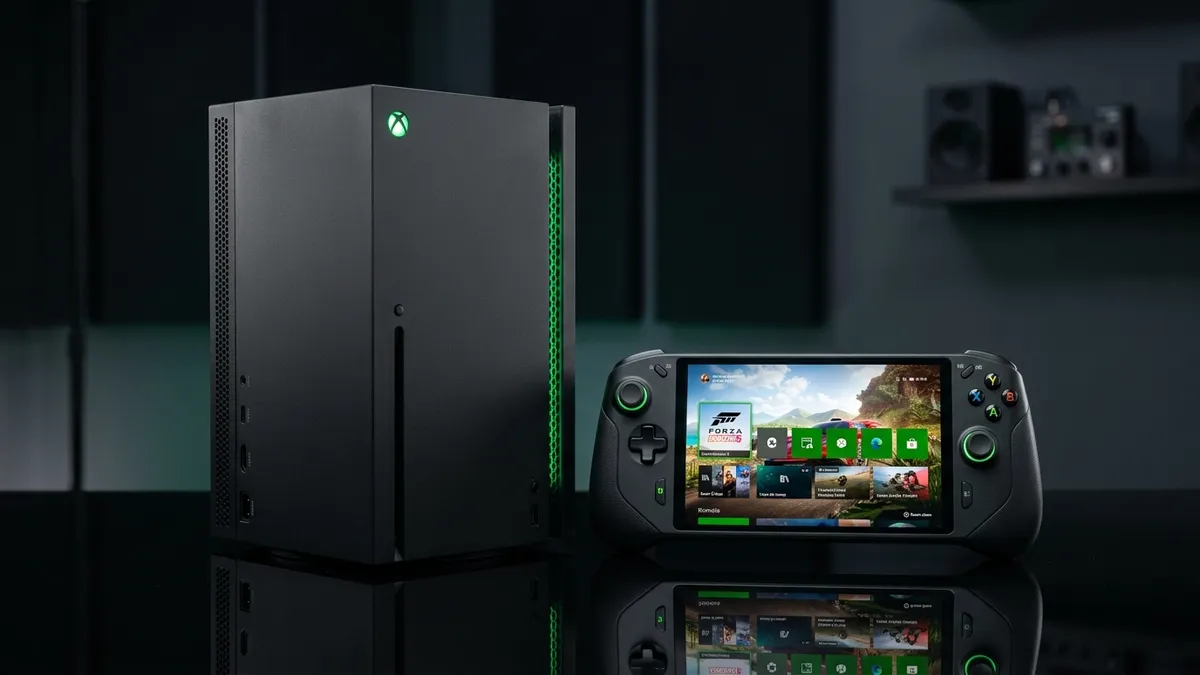
A Powerhouse Flagship Console Alongside an Official Handheld
Project Helix is engineered from the ground up as a coordinated family of devices. The flagship centerpiece remains a powerhouse home console developed in-house by Microsoft, powered by custom AMD silicon fabricated on advanced TSMC process nodes.
The second pillar directly addresses portable gaming. Rather than leaving the handheld space uncontested against Sony's portable PS6 Project Canis, Microsoft is baking native on-the-go play directly into its next-generation platform.
"There is not one device that fits all. Our future relies on a family of devices designed to let players jump in wherever they are."
Bridging Xbox Consoles With Native Windows PC Gaming
The defining technical breakthrough of Project Helix lies in software convergence. The revamped operating system and unified interface are engineered to run both native Xbox games and Windows PC titles on the same hardware.
To bring this vision to market, Microsoft is shifting its hardware manufacturing model. While the company will build the premium home console internally, it plans to partner with third-party manufacturers, expanding on its collaboration with ASUS to deliver specialized handheld form factors.
This hybrid manufacturing strategy distributes hardware production risks while helping amortize the substantial engineering costs of Microsoft's 56 TFLOP next-gen hardware architecture across multiple tiers.
Dev Kits in 2027 and the Impending PS6 Showdown
This hardware roadmap follows Microsoft's aggressive 2026 restructuring. After divesting secondary studios to streamline its balance sheet, the Xbox division is channeling its resources into this pivotal generational leap.
Development kits are slated to reach game studios throughout 2027. The retail launch window is targeted for late 2027 into 2028, setting the stage for a head-on collision with Sony's next-generation PlayStation 6.
My Take: One Platform to Rule Them All
Looking at the modern landscape, the most compelling gaming hardware concept remains the hybrid blueprint pioneered by the Nintendo Switch and Switch 2: a seamless bridge between living room TV play and on-the-go gaming.
Until Microsoft fully embraces this unified philosophy, Xbox will struggle to match Nintendo's cultural momentum. Splitting the hardware lineup into multiple separate boxes risks diluting focus rather than uniting players.
The ultimate vision for Xbox is obvious: a dedicated handheld dockable to your big screen TV, boosted with full support for wireless controllers and keyboard-mouse setups. More importantly, it shouldn't stop at being a closed console, but a full-fledged Windows PC capable of everyday productivity and work.
A single device to game, create, and work anywhere. That is the only logical endgame for Project Helix: one platform to rule them all.

SEO consultant for over 20 years and digital entrepreneur, Charles 'Grimtag' Ronchain is the founder of Pro-Gamer.gg, Retrocharting.com, and Gamescharting.com. A competitive gamer, streamer, and retro game collector, he has worked in the video game industry for over 15 years, notably as a consultant for leading game price comparison platforms. Passionate about real-time performance data and gaming technology, he analyzes competitive esports, gaming hardware benchmarks, and creator workflows on Pro-Gamer.gg with an authentic player perspective.