Stormwind and Orgrimmar Feel Like Ghost Towns in WoW: Forever: Why Blizzard Is Retuning Its Server Tech to Repopulate Capital Cities
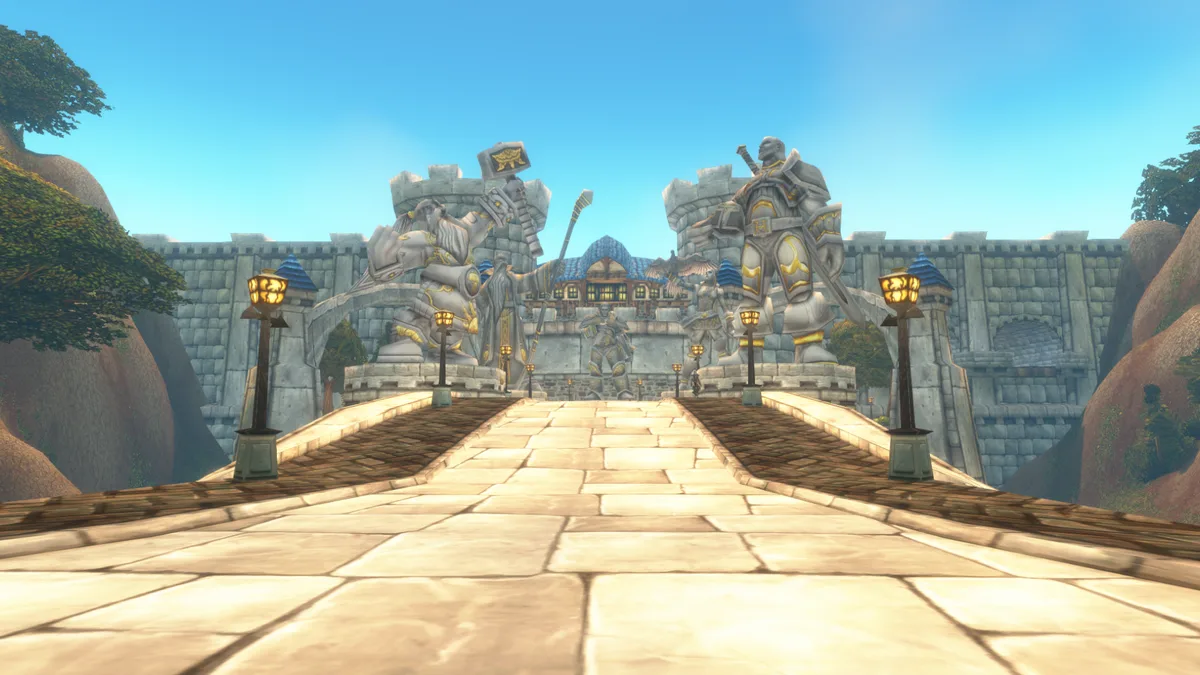
It is the strangest paradox of an otherwise historic launch week: even as hundreds of thousands of adventurers flood into Azeroth simultaneously and Horde PvP character creation locks up under strict 50/50 faction balancing caps, walking through the gates of Stormwind, Ironforge, or Orgrimmar can feel eerily like exploring a ghost town. Following widespread reports from players baffled to find only three or four characters standing outside the Auction House during prime time, Blizzard's server engineers have confirmed they are actively retuning the game's backend layering technology.
Over-Aggressive Cloud Layering Traded Social Density for Zero Login Queues
Every major MMORPG launch forces network engineers into a notorious Catch-22: spinning up too few realms traps players in six-hour login queues and crashing zones, while opening too many realms fractures the community onto servers that die out months later. For World of Warcraft: Forever, Blizzard bypassed traditional isolated server lists altogether, introducing a realmless megaserver architecture powered by cloud micro-services that dynamically split zones into parallel instances known as layers.
From a pure stability standpoint, the new backend delivered one of the smoothest launch rollouts in studio history, virtually eliminating login queues and server disconnects. However, the automated scaling parameters were tuned so conservatively for launch day that the system over-partitioned the population. When players cross the Valley of Heroes bridge into Stormwind or ride through the front gates of Orgrimmar, the zone-handover logic frequently places them into freshly spun-up, low-density city shards,creating a bizarre disconnect where Trade Chat scrolls at lightning speed across dozens of invisible layers while the physical streets look empty.
| Server Architecture Parameter | Day-One Launch Configuration | Upcoming Blizzard Backend Adjustment |
|---|---|---|
| Capital City Layer Spawning | Aggressive spin-up of numerous low-cap layers to prevent server lag | Consolidating parallel layers and raising per-instance population caps in hubs |
| Zone Boundary Handovers | Abrupt layer shifts when crossing into Stormwind, Ironforge, or Orgrimmar | Refining micro-service transition thresholds to keep players grouped together |
| Starting Zones (Levels 1-20) | Heavy player concentration out in the field during the initial leveling rush | Maintaining balanced dynamic sharding to protect quest mob respawn rates |
Senior Designer Josh "Aggrend" Greenfield Confirms Immediate Population Tuning
Alongside the hyper-aggressive sharding rules, player behavior during the opening 48 hours amplified the empty-city illusion: the overwhelming majority of the launch wave immediately sprinted out of the capitals into Elwynn Forest, Westfall, Durotar, and the Barrens rather than lingering near city banks or profession trainers, especially after World of Warcraft: Forever surged past 385,000 concurrent viewers on Twitch. Still, players posting on Reddit and the forums on the official World of Warcraft website pointed out that crossing city district borders often caused nearby adventurers to vanish mid-stride as the server reassigned them to isolated layers.
Addressing the community backlash directly on the official forums, Senior Game Designer Josh "Aggrend" Greenfield confirmed that the sparse capital hubs were an unintended side effect of launch-window caution rather than a permanent design choice: "Just wanted to chime in and say that we are aware of some issues with certain areas not feeling as populated as they should. We will be tweaking some numbers tomorrow to help things feel a bit more lively. Thanks for the feedback on this one!" Because these population thresholds are governed server-side, Blizzard's live-ops engineers can collapse excess layers and pack players closer together without requiring a major client patch.

My Take
For anyone who grew up in the era when Ironforge earned the nickname "Lagforge" and you could barely click the Stormwind Trade District mailbox through a wall of mounts and glowing tier sets, walking into an empty capital city on launch week feels downright unnatural. Make no mistake: pulling off a global MMORPG launch with zero queues is an impressive feat of cloud engineering, but the beating heart of classic-style World of Warcraft has always been the visual chaos of a packed city hub. An MMO that sacrifices a living, breathing social world for sterile server performance loses half its magic, so the sooner Josh Greenfield and the engineering team dial back the layering paranoia and pack Stormwind and Orgrimmar to the rafters, the better.

SEO consultant for over 20 years and digital entrepreneur, Charles "Grimtag" is the founder of Pro-Gamer.gg, Retrocharting.com, and Gamescharting.com. A competitive gamer, streamer, and retro game collector, he has worked in the video game industry for over 15 years, notably as a consultant for leading game price comparison platforms. Passionate about real-time performance data and gaming technology, he analyzes competitive esports, gaming hardware benchmarks, and creator workflows on Pro-Gamer.gg with an authentic player perspective.