
95 Million Consoles and the Netflix Effect: Why the PS5 Paralysis Is a Browsing Problem, Not a Game Shortage
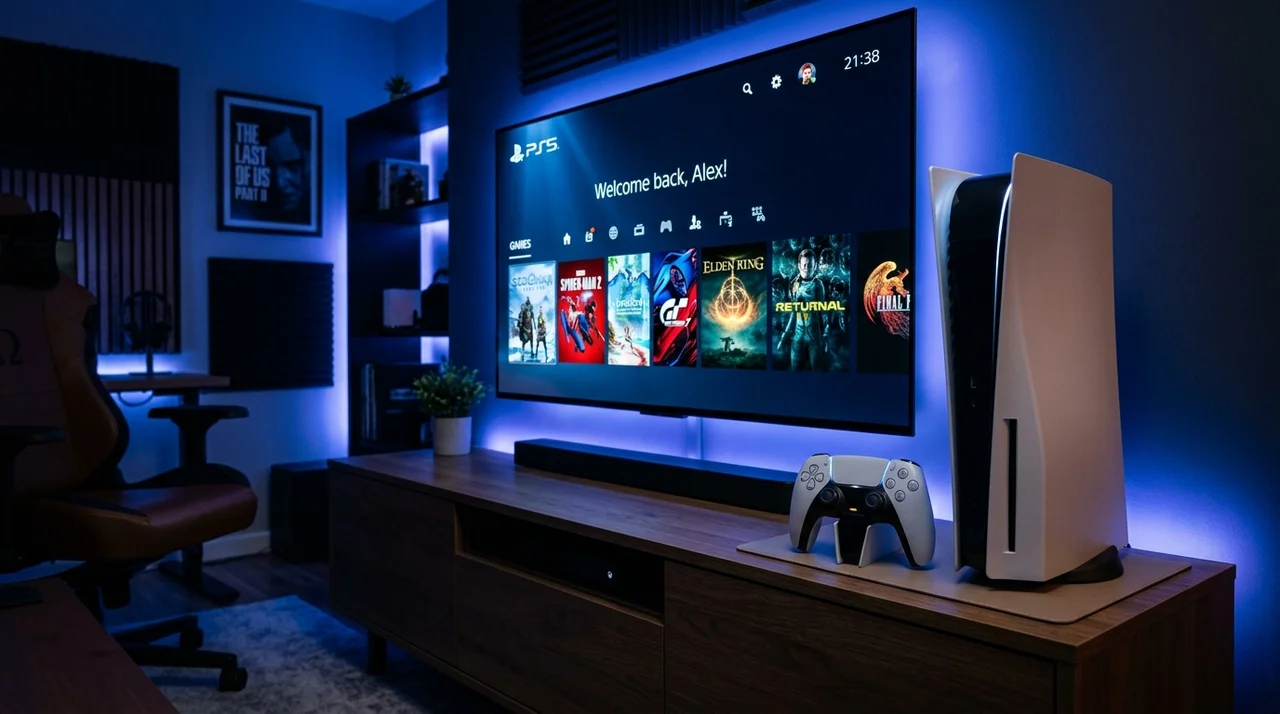
It is 9:30 PM. You power on your PS5, DualSense in hand, fully intending to jump into an engaging solo adventure. Twenty-five minutes later, you have scrolled past dozens of promotional banners, browsed three different sale sections, stared blankly at twenty titles in the PlayStation Plus Game Catalog, only to set the controller down and launch another mindless session of Warzone, Fortnite, or Helldivers 2. This cycle of exhaustion is not an isolated bad habit. It has become the everyday routine for millions of console owners worldwide.
Having crossed 95 million consoles sold globally, the PlayStation 5 is undeniably a commercial juggernaut. On paper, the catalog is staggering: thousands of active titles, critically acclaimed indie releases, massive blockbuster epics, and a subscription service packed with hundreds of downloadable games at no extra upfront cost. Yet an identical complaint echoes across forums and community threads every single week: "There is nothing to play on PS5." While seemingly ridiculous at surface level, that frustration highlights a genuine crisis.
The Netflix Effect and the Trap of Choice Overload
Sony's flagship console does not have a game shortage. It suffers from a much modern dilemma: the Netflix syndrome. When choices become virtually infinite while discovery tools remain completely broken, the human brain stalls out in decision paralysis. Browsing through endless rows of generic icons without meaningful context turns game selection into unpaid cognitive labor, draining your desire to play before you even launch a title.
This paradox hits adult gamers especially hard. While Sony routinely reshuffles PlayStation Plus subscription tiers and sudden price changes, the service continues dumping hundreds of gigabytes onto storage drives without offering a single reliable compass to navigate them.
Four Fatal Flaws in a Storefront Built to Sell, Not to Browse
Navigating the PS5 interface feels like an exhausting chore because its design structure suffers from four glaring blind spots:
1. The graveyard of catch-all genres: Inside the PlayStation Store, nearly the entire global library gets lumped under two meaningless labels: "Action" and "Adventure". A tightly crafted 3-hour narrative experience sits directly beside a sprawling 140-hour open-world grind. Finding specific moods, visual identities, or focused gameplay systems requires sheer luck or outside research.
2. Complete blindness to time commitment: Modern gamers treat their free time as an increasingly scarce resource. After a demanding workday, someone might want a focused 30-minute arcade session or an adventure that can realistically wrap up over a weekend. The PS5 UI completely ignores time investment: zero completion-time filters, no markers for quick pick-up sessions, and no distinction between casual romps and lifestyle games.
3. Wishlists reduced to marketing funnel trackers: The existing Wishlist feature was engineered solely to push discount pings and sale alerts. Players have no native way to organize an active backlog, create custom thematic folders ("Play Next", "Short Indie Gems", "Co-op Nights"), or track expiration countdowns for games about to leave the PlayStation Plus catalogue.
4. Algorithmic cash-register dominance: Switch to the Store tab, and the exact same commercial offerings dominate screen real estate: 80-dollar pre-orders, virtual currency packs, season passes, and live-service behemoths. Daring indie gems and creative gems get buried underneath layers of aggressive monetization, invisible to anyone who does not already know their exact name in advance.
What Sony Needs to Fix to Save Game Discovery
As the PS5 enters the mature half of its lifecycle with high-end hardware revisions and future hardware rumblings, the primary battlefield is no longer raw teraflops. The real challenge is giving players back control over their gaming time.
A meaningful overhaul requires session-length filters, independent editorial curation detached from promotional pressure, precise sub-genres, and community-driven recommendations. By treating its dashboard like a sterile shopping mall rather than a vibrant cultural library, Sony risks pushing its most dedicated audience into digital burnout. Having 5,000 games at your fingertips is meaningless when finding one feels like doing inventory.

SEO consultant for over 20 years and digital entrepreneur, Charles 'Grimtag' Ronchain is the founder of Pro-Gamer.gg, Retrocharting.com, and Gamescharting.com. A competitive gamer, streamer, and retro game collector, he has worked in the video game industry for over 15 years, notably as a consultant for leading game price comparison platforms. Passionate about real-time performance data and gaming technology, he analyzes competitive esports, gaming hardware benchmarks, and creator workflows on Pro-Gamer.gg with an authentic player perspective.