Onimusha: Way of the Sword on PC: Why the Bypassed Denuvo Build Ships With Crash Fixes That Paying Steam Players Still Lack
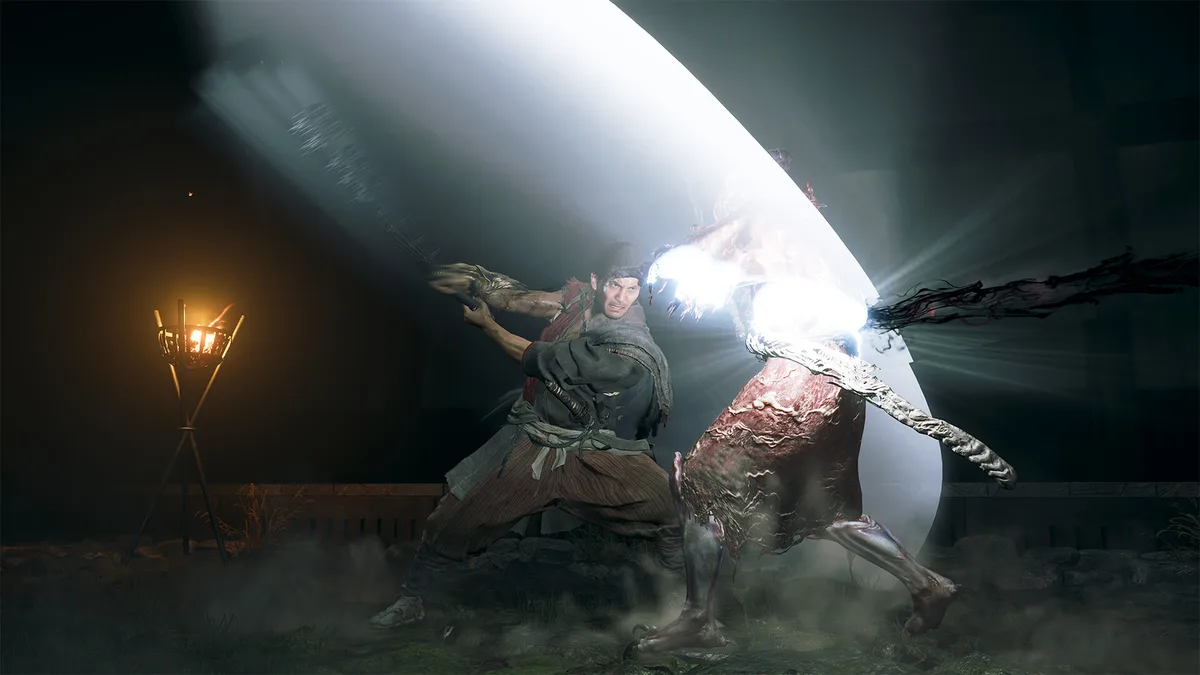
It is one of PC gaming's oldest and most frustrating ironies, and this week it has returned to haunt Capcom once again. While paying customers on Steam continue to troubleshoot persistent startup crashes in the PC version of Onimusha: Way of the Sword, a newly circulated release from the cracking group voices38 has bypassed the game's triple-layered DRM security and bundled its own series of stability fixes before Capcom has even rolled out an official patch to address the issue.
To be completely clear from the outset: Pro-Gamer does not condone piracy under any circumstances, nor do we link to or endorse unauthorized builds. Hundreds of developers, artists, and combat designers at Capcom poured years of work into bringing Musashi Miyamoto's dark Edo-period journey to life, and supporting those teams through legitimate purchases is essential. However, from a strictly technical and consumer advocacy standpoint, watching buyers who paid $69.99 USD on Steam hit a wall at the loading screen while a modified executable patches out startup bugs highlights an ongoing flaw in how modern PC DRM layers are implemented.

The 50% Loading Screen Crash on RTX 4090 and RTX 5090 Rigs
Since Onimusha: Way of the Sword launched on September 3, 2026, threads on the official Steam discussion boards have documented a recurring, show-stopping crash right at the beginning of the campaign. After players select their difficulty setting and preferred input method, the initial loading bar consistently freezes at the 50% mark before crashing straight to the desktop. Adding insult to injury, many affected buyers noted that the free pre-release Steam demo ran flawlessly on the exact same PC hardware.
Far from being caused by underpowered hardware or insufficient VRAM, the crash has plagued top-tier enthusiast builds. On the Steam forums, one GeForce RTX 4090 owner reported that the retail build failed to get past 50% loading on every single attempt. Another player running an NVIDIA GeForce RTX 5090 paired with an Intel Core Ultra 9 285K processor and 64 GB of DDR5 RAM encountered the exact same desktop crash, confirming that resetting all graphics options to their factory defaults made no difference.
That exact startup bottleneck became the focus of the dedicated CRACKFIX update released by voices38. After bypassing all three security layers wrapping the retail PC executable (Steam storefront verification, Denuvo Anti-Tamper with its strict five-PC daily activation limit, and Capcom's own internal anti-tamper checks), the group patched the underlying initialization routine that caused the RE Engine build to crash when starting a new game session.
Denuvo, Enigma, and the RE Engine: Capcom's Checkered DRM History on PC
While independent frame-time benchmarks have yet to verify the exact CPU overhead difference between the retail Steam build and the bypassed executable of Onimusha: Way of the Sword, the situation immediately echoes a famous controversy from Capcom's recent past. Back in May 2021, the PC launch of Resident Evil Village suffered from severe frame-time spikes and freezing whenever players defeated a lycan or parried attacks from Lady Dimitrescu's daughters.
Technical breakdowns at the time revealed that Capcom's proprietary anti-tamper checks were clashing with Denuvo encryption triggers during combat animations. Only after a bypassed build demonstrated buttery-smooth frame pacing did Capcom officially acknowledge the problem and issue a Steam patch in July 2021 to fix the stuttering for paying customers.
Since then, friction between PC enthusiasts and Capcom's DRM policies has resurfaced repeatedly, whether through the retroactive addition of the Enigma Protector to older catalog titles (which briefly broke community tools like REFramework) or the heavy CPU thread utilization seen in Dragon's Dogma 2 and Monster Hunter Wilds. The technical hiccups stand in sharp contrast to the game's strong commercial momentum, which we recently covered in our breakdown of how Onimusha: Way of the Sword surpassed 1.7 million copies sold while Capcom defended its combat difficulty with player telemetry.
| Technical Factor | Official Retail PC Build (Steam / Epic) | Bypassed Build (voices38 + Crackfix) |
|---|---|---|
| Active DRM Layers | Steam + Denuvo Anti-Tamper (5 PCs / 24h limit) + Capcom Internal DRM | All three DRM layers bypassed |
| 50% New Game Loading Crash | Reported on RTX 4090 and RTX 5090 rigs (requires manual workarounds) | Startup crash routine patched directly in the Crackfix update |
| Current Steam Workarounds | 60 FPS cap, NVIDIA App optimization, clean shader reinstall | Modified executable (no official support or cloud saves) |
| US Retail Price | $69.99 USD (full Steam Cloud, achievements, and official patch support) | Unauthorized (unverified third-party binaries) |
How Legitimate Steam Players Can Fix the 50% Loading Crash Right Now
If you purchased your copy on the official Onimusha: Way of the Sword Steam store page and are still running into the 50% loading freeze after selecting your difficulty and controls, PC players on the community forums have narrowed down three reliable workarounds while waiting for Capcom's next official patch:
- Temporarily cap your frame rate to 60 FPS: Using the NVIDIA Control Panel or AMD Adrenalin software to enforce a hard 60 FPS limit before clicking New Game prevents the RE Engine from spiking during the initial post-menu asset initialization. Once you reach the first Kyoto checkpoint and save your progress, you can safely unlock your frame rate again.
- Apply settings through the NVIDIA App: Several GeForce RTX 40-series and 50-series owners report that letting the NVIDIA App optimize and write the configuration file prior to launching the executable bypasses the broken startup state that triggers the crash.
- Clear DirectX 12 shader caches and leftover mod hooks: If you previously played the summer demo or experimented with early REFramework DLL files, leftover files in the installation folder can clash with Capcom's DRM initialization. Performing a clean reinstall and disabling third-party overlays (such as Discord or RivaTuner) resolves the vast majority of launch failures.
Now that the game's Denuvo protection has been cracked two months after launch, all eyes are on Capcom's post-launch support team. Historically, the publisher tends to strip Denuvo from its flagship PC releases six to eighteen months after launch (as seen with Resident Evil 4 Remake and Devil May Cry 5) to eliminate recurring licensing fees and streamline the executable. In the meantime, paying Steam players deserve a fast-tracked stability hotfix so they no longer have to rely on driver frame-rate caps just to start a new campaign.
Check Availability for Onimusha: Way of the Sword on Amazon→
My Take
As a longtime PC player who buys his games day one on Steam, nothing tests my patience quite like this exact scenario. I can understand why a major publisher wants Denuvo protecting its launch window during the crucial first few weeks of sales. What I cannot excuse is stacking three separate DRM layers inside an RE Engine executable while leaving paying customers with RTX 4090 and RTX 5090 rigs stuck at a 50% loading screen two months after release, only for a scene group to bundle a startup crash fix directly into an unauthorized release. Someone who pays $69.99 USD on Steam should never get a more temperamental technical experience than someone running a modified binary. Now that the protection has been bypassed anyway, Capcom should push out an urgent official stability patch on Steam and start stripping out the redundant DRM bloat.

SEO consultant for over 20 years and digital entrepreneur, Charles "Grimtag" is the founder of Pro-Gamer.gg, Retrocharting.com, and Gamescharting.com. A competitive gamer, streamer, and retro game collector, he has worked in the video game industry for over 15 years, notably as a consultant for leading game price comparison platforms. Passionate about real-time performance data and gaming technology, he analyzes competitive esports, gaming hardware benchmarks, and creator workflows on Pro-Gamer.gg with an authentic player perspective.