Full PC File Access and a Dormant LookLoot Pipeline: Why Viral AI Mashup Launcher Melty Is Raising Security Alarms for Elden Ring and Minecraft
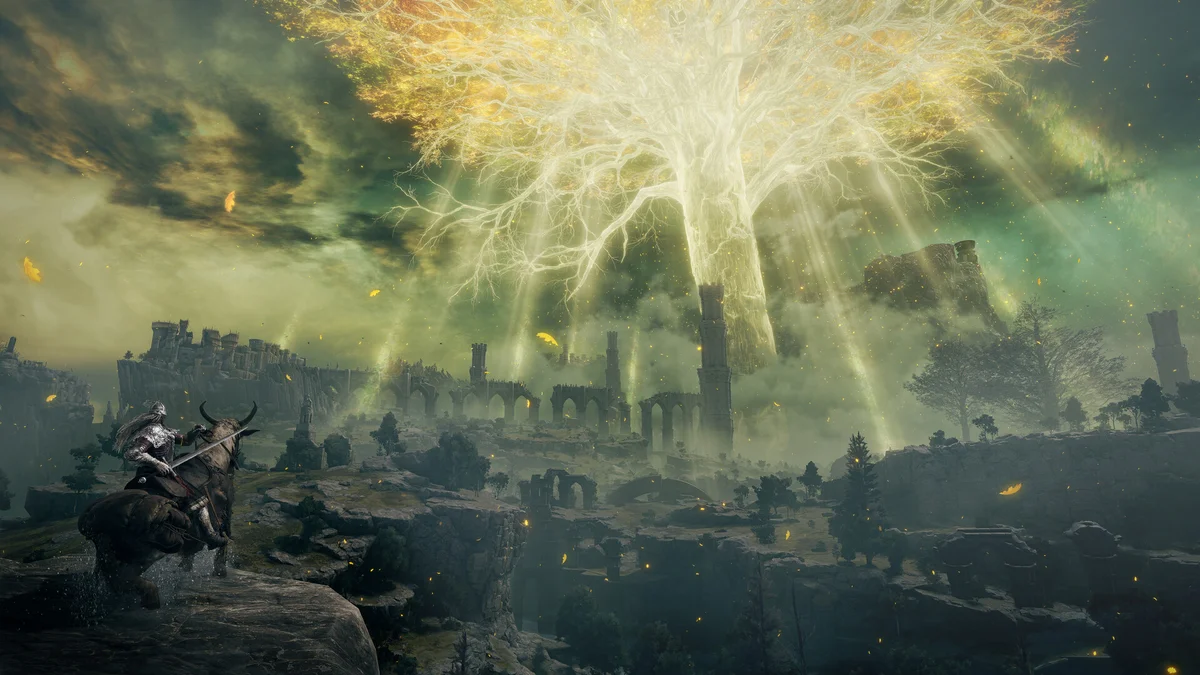
Over the past few weeks, social feeds have been flooded with viral clips showcasing bizarre AI-assisted gaming crossovers: mining Minecraft blocks right in the middle of Elden Ring's Lands Between, or grafting FromSoftware boss combat onto the snowy peaks of Skyrim. Capitalizing on that wave, a free Windows client called Melty now promises to merge and launch these hybrid creations with a single click. However, a close inspection of its legal terms alongside a community teardown of its installer reveals serious red flags for anyone who values their PC security.
Deep File-System Permissions and the Dormant LookLoot Recording Pipeline
Operated by Delaware-registered Stella Montis Inc., Melty pitches itself as a frictionless mashup launcher that combines two games you already own without manual file tinkering. While the concept echoes the ingenuity of the independent modder who recently managed to run Minecraft inside GTA 5 complete with Elytra flight, packaging automated AI crossovers into a standalone desktop client requires sweeping system privileges.
According to Section 4 of Melty's Terms of Service (updated on October 18, 2026), installing the application grants it explicit permission to scan your drives and folders to locate installed games and read their versions, download third-party mod loaders and build tools, write and modify files directly inside your game directories, compile components locally on your machine, launch external setup programs, and execute silent background updates. Furthermore, its Privacy Policy (updated October 12, 2026) discloses that for some users during their first few days, or whenever an error occurs, the desktop app records a visual replay of the Melty window along with page navigation and click activity.
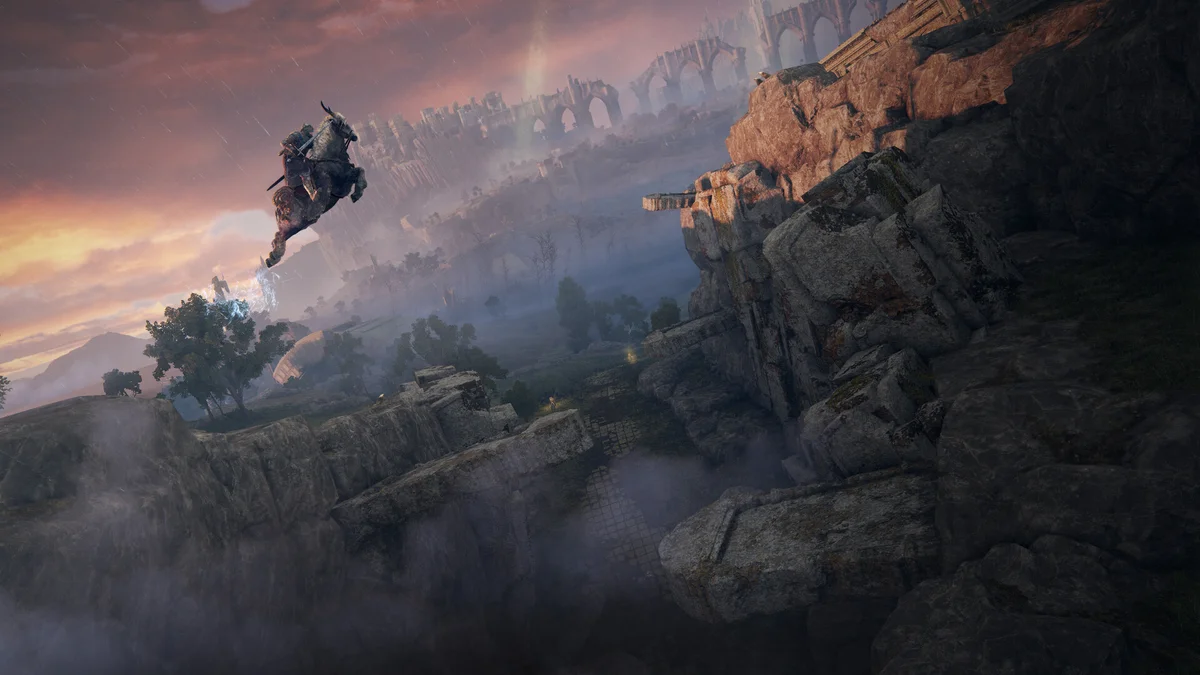
Scrutiny intensified after an independent developer known online as Wubbity disassembled the Melty installer (version v1.0.33). According to Wubbity's technical breakdown, the installer underneath was built as a rebrand of LookLoot, an application originally engineered to record gameplay video and user controller or keyboard inputs as training data for artificial intelligence models. While Wubbity clarified that the package is not a password-stealing trojan, the analysis highlighted that version v1.0.33 shipped with a dormant gameplay-recording pipeline that its web backend could trigger without any disclosure in the initial privacy documentation.
12-Month Post-Removal Exclusivity Locks, AI Coding Agents, and a $100 Liability Cap
Beyond system telemetry, Stella Montis Inc.'s legal framework locks mod creators into unusually aggressive terms. Melty actively invites users to hook up AI coding agents to build and publish mashups automatically, feeding into the broader trend where AI vibe coding has pushed Steam past 21,388 game releases in 2026. Yet Section 7 of the Terms of Service enforces a strict exclusivity clause: publishing a mashup on Melty grants Stella Montis Inc. a worldwide, royalty-free exclusive marketplace license. Creators are barred from uploading their mashup, or any modified, renamed, or ported version of it, to rival hubs such as Nexus Mods, Modrinth, or CurseForge. Even if a creator deletes their project from Melty, that exclusivity ban remains in force for 12 months after removal.
Meanwhile, Sections 16 through 18 shield the company from virtually all fallout. Stella Montis Inc. disclaims all liability for corrupted saves, lost data, or online account bans (a major hazard when automated scripts alter core files in titles protected by anti-cheat systems like Elden Ring). Total company liability is capped at $100, disputes are forced into individual binding arbitration in Delaware with a class-action waiver, and users agree to indemnify Stella Montis Inc., including attorneys' fees, for any claims arising from their published mashups or peer-to-peer multiplayer sessions (which directly expose the host's IP address and network port to joining players).
Sandboxed AI Research vs. Unchecked Consumer Launchers
The debate over opaque AI mashup clients comes at the exact moment legitimate, strictly sandboxed AI research has achieved a genuine milestone in Mojang's sandbox. In a study published on October 15 and detailed by researcher Maxence Faldor, a Google DeepMind team demonstrated that four autonomous agents powered by the Gemini 4 Argon model beat Minecraft from scratch and slew the Ender Dragon in 27 hours without human assistance.
Dropped into a randomly generated world, the four Gemini 4 Argon agents coordinated via in-game chat within ten minutes to split duties across tool crafting, food gathering, diamond mining, and Nether portal construction. Rather than viewing screen pixels or pressing keys, the agents wrote and debugged short JavaScript programs through the open-source Mineflayer library while a fifth independent observer agent audited event logs to verify zero cheating occurred. Despite suffering 605 total deaths (including 69 deaths across a nearly 14-hour battle to destroy the ten healing End Crystals and defeat the dragon), the entire experiment ran inside a controlled research environment, worlds apart from asking everyday players to run an unvetted third-party client on their home PCs.
Where to Find Official Copies of Elden Ring and Minecraft at the Best Price
Rather than risking your local game directories or Microsoft and Steam credentials on a third-party mashup client with lopsided legal terms, stick to verified official releases and long-standing, open-source mod managers audited by the community:
My Take: Why I Refuse to Grant Root-Level Folder Access for a Gimmick Mod
My Take: When I inspect the system permissions Melty demands on Windows, every security instinct tells me to stay away. Allowing a brand-new third-party launcher to scan all local drives, inject AI-generated binaries straight into core game folders, and cache authentication tokens locally, especially after a teardown uncovered dormant LookLoot input-recording architecture under the hood, is a massive overreach for a novelty crossover. If you want to experiment with mods, rely on transparent repositories and open-source loaders rather than handing full folder write access to a closed marketplace that caps its own liability at $100.

PC hardware enthusiast and competitive gamer, Arthur 'Heimdall' splits his time between France and the UK working in enterprise B2B software solutions. A business school graduate passionate about component benchmarking, he has been building, modding, and tuning PCs since childhood, optimizing every thermal degree and millisecond of display latency. An avid gamer across Assassin's Creed and sandbox titles, he forged his alliance with Grimtag and Chaya during late-night World of Warcraft raids before joining Pro-Gamer.