Insignia Xbox Live, 30 FPS Xbox 360, and HakuX-Advanced: How hakuX 1.3 and Xenra 0.4.5 Supercharge Adreno and Mali GPU Hardware
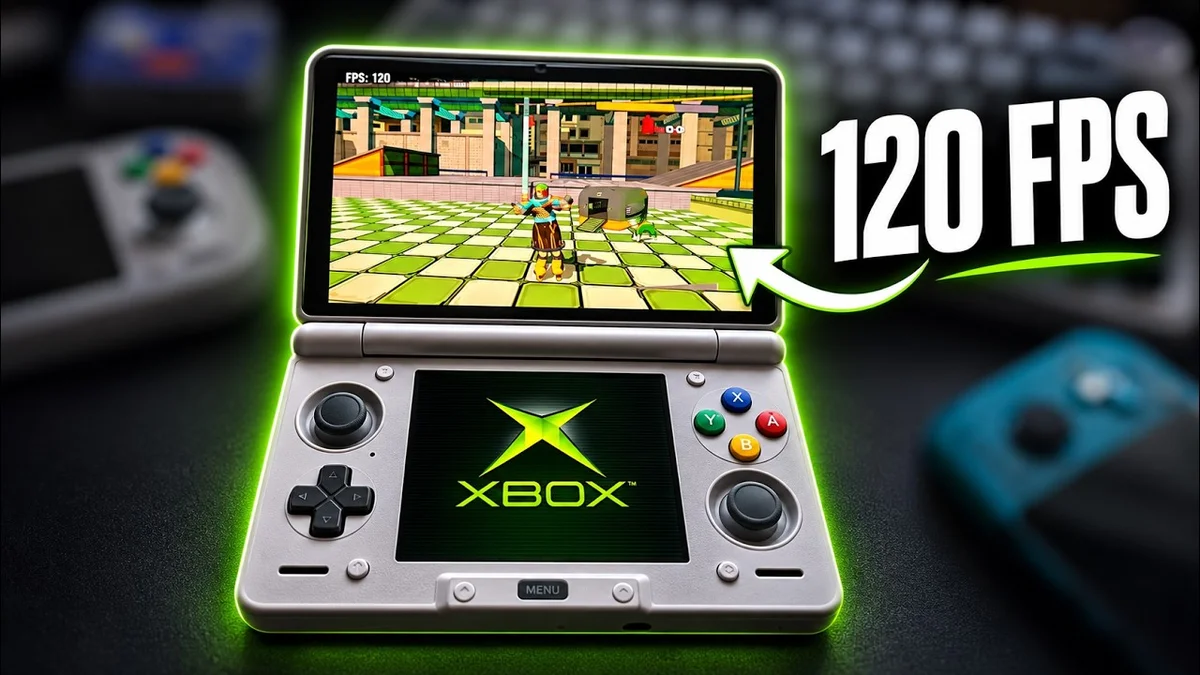
Long viewed as an insurmountable technical wall on mobile hardware due to the original Xbox's x86 Pentium III architecture and the Xbox 360's tri-core PowerPC Xenon processor, Microsoft console emulation on Android is experiencing a massive breakthrough in early November 2026. Just days after Wi-Fi LAN multiplayer arrived as covered in our technical breakdown of hakuX 1.2 for Snapdragon ARM64 handhelds, three major open-source updates have landed back-to-back on GitHub: hakuX 1.3.0, the power-user fork HakuX-Advanced 5.19.1, and the dual-generation emulator Xenra v0.4.5.
hakuX 1.3.0 Brings Original Xbox Live Back to Life on Android via Insignia
Released by developer rfandango on the official hakuX GitHub repository, version 1.3.0 achieves a historic milestone for portable gaming by adding native support for Insignia, the community-run replacement service for original first-generation Xbox Live servers. While version 1.2 was limited to local Wi-Fi System Link and XLink Kai tunnels, players on Android smartphones and handhelds can now sign in directly, manage friends lists, find matches, and play online across classic 2001 to 2005 Xbox Live titles.
To streamline what used to be a complex configuration process, the emulator now features a dedicated step-by-step wizard under Settings > Network > Xbox Live setup. It guides users through network configuration, automatically downloads Insignia's Setup Assistant to register the virtual console, and allows pointing to a local computer running insigniaDNS if an Internet Service Provider blocks Insignia's primary DNS server. A new Dashboard button in the top-left corner of the library also boots the official Xbox Dashboard 5960 directly from the virtual hard disk (installed once from a user-provided ZIP archive) so players can create or recover their Xbox Live Gamertags.
Online support is paired with automatic handling of Xbox Live Title Updates, which now launch seamlessly alongside the game once downloaded. Built-in 60 FPS and 120 FPS mods for Forza Motorsport have also been updated to support its official Xbox Live patch. Under the hood, network threading has been optimized so that enabling System Link or XLink Kai no longer pins an entire mobile CPU core, while the on-screen controls editor now wraps its toolbar across multiple rows to fit narrower 4:3 handheld displays.
Twelve Classic Xbox Fixes and the Arrival of HakuX-Advanced 5.19.1
Beyond online multiplayer, hakuX 1.3.0 resolves major rendering glitches and boot crashes across twelve standout original Xbox games:
- Fable: The Lost Chapters: the hero's face and arms no longer render as solid black or visual noise.
- The Elder Scrolls III: Morrowind: eliminates freezes when exiting buildings by timing virtual disc and hard-disk reads accurately. The inventory character model also renders cleanly without a red floor, black head band, or ghost duplicates when swapping gear after loading a save.
- Halo 2: fog no longer appears as camera-locked stripes, and aiming down the scope properly dims the surrounding view with black lines rather than light blue artifacts.
- Mortal Kombat: Shaolin Monks: fixes character models exploding on devices powered by Mali-G57 GPUs.
- Def Jam: Fight for NY: synchronizes the internal game clock whenever hakuX pauses execution to compile shaders, preventing the intro cutscene from freezing on a single frame.
- Burnout 2: Point of Impact, Amped 2, and Project Zero II (PAL): resolves crashes on startup, on the initial frame, or while loading the first stage.
- Oddworld: Munch's Oddysee, Double-S.T.E.A.L: The Second Clash, Soldier of Fortune II: Double Helix, and Touge R: clears dark boxes under character shadows, black screens after loading savestates, and crashes when skipping intro videos.
Building on this foundation, community developer JDewitz launched version 5.19.1 of the experimental HakuX-Advanced fork on GitHub on November 4. Combining official hakuX 1.3.0 with 14 subsequent upstream commits into an arm64 build (while openly disclosing heavy use of AI coding tools during development), HakuX-Advanced adds a suite of enthusiast features: mappable uncapped fast forward, a two-pane pause and save-state browser with 10 timestamped screenshot slots, a five-level performance HUD with a sampled frame-time graph, experimental RetroArch Slang shaders, a 40-theme bundle (Nostalgia Themes Complete v1), and experimental EvoX ETM trainer imports (which are automatically blocked during online sessions to keep Insignia multiplayer fair).
From a hardware standpoint, while HakuX-Advanced introduces custom driver loading and W-buffer workarounds for Mali GPUs (delivering strong results on MediaTek Helio G99 devices and the Anbernic RG477M), players using Qualcomm Snapdragon phones and handhelds (Adreno GPUs) must load a custom Vulkan driver such as Mr. Purple's Turnip drivers in the GPU settings menu. Without a Turnip driver loaded on Snapdragon hardware, heavy hitters like Halo 2 will play audio over a blank screen after BIOS initialization. To squeeze maximum sustained framerates out of your mobile chipset before launching these emulators, check out our guide on how to optimize your Android smartphone for gaming.
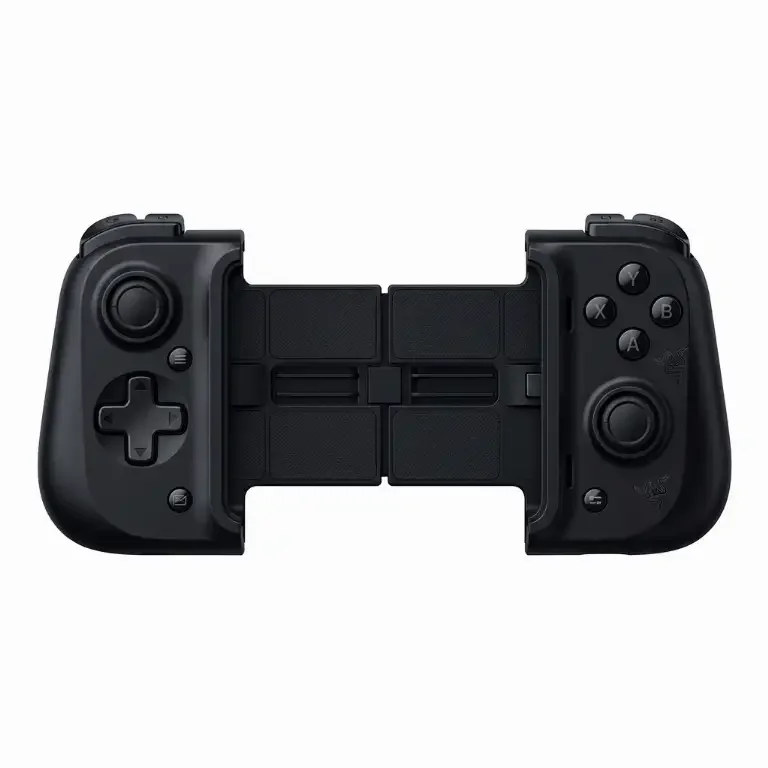
Razer Kishi V2 - USB-C Mobile Gaming Controller for Android
- Zero-latency direct USB-C connection for Android smartphones
- Tactile microswitch buttons, analog triggers, and dual programmable multifunction bumpers
- Extendable bridge with passthrough charging for marathon emulation sessions
Xenra v0.4.5 Introduces Dual Cores and 30 FPS Xbox 360 Emulation on Android
Alongside hakuX's progress on sixth-generation hardware, the dual-console emulator Xenra (maintained by yebot32 and founded by Ali Alsaadi) rolled out its v0.4.5 pre-release on GitHub. Designed to run both Original Xbox and Xbox 360 games in ISO and XISO formats on Android 10+ ARM64 devices with at least 6 GB of RAM, Xenra v0.4.5 introduces a dual-core architecture for every title in the library: a default Performance Core and a selectable Compatibility Core (synced with the latest upstream xemu and Xenia Edge builds).
On the Xbox 360 side, a major GPU pipeline overhaul combined with full-clock custom GPU driver execution delivers the largest speed boost in the project's history:
- Forza Horizon 2 jumps from 10 FPS to a playable 30 FPS.
- Halo 3 runs up to twice as fast as previous builds.
- Grand Theft Auto V boots into gameplay again when its official Title Update is installed.
- Targeted rendering fixes eliminate single-frame texture and object pop-out across Forza Motorsport 4, Gears of War 3, Need for Speed: Most Wanted, Rise of the Tomb Raider, and Crysis 3.
Original Xbox emulation inside Xenra also benefits from the new default Performance Core, pushing Forza Motorsport from 12 FPS to 30 FPS and allowing most of the library to run at full speed after brief initial shader compilation stutters subside.
My Take on the Spec Sheet
Testing mobile emulators across Snapdragon and Dimensity handhelds over the past year, what stands out in hakuX 1.3.0 and Xenra 0.4.5 is how rapidly the underlying architecture has matured. For a long time, the consensus was that Android emulation would plateau around the PS2 and Nintendo Switch era because the original Xbox paired an x86 CPU with a notoriously complex Nvidia NV2A GPU, while the Xbox 360 required translating a tri-core PowerPC Xenon chip. We have not yet had a physical unit on our desk—if the manufacturer's team would like to send over a review sample so we can put it through our full real-world testing protocol, our lab doors are wide open.
By ditching heavy QEMU system virtualization in favor of a FEX JIT binary translator, a native Xbox kernel reimplementation, and high-level Vulkan rendering paired with custom Adreno Turnip drivers, hakuX removed the biggest bottleneck on ARM64 silicon. Being able to hop into an online Halo 2 match on Insignia or explore Morrowind and Fable without broken textures on an Android handheld is a massive technical milestone. Combined with Xenra 0.4.5 pushing Xbox 360 heavyweights like Forza Horizon 2 to 30 FPS, modern ARM64 handhelds are effectively becoming the portable Xbox hardware Microsoft never built.

PC hardware enthusiast and competitive gamer, Arthur 'Heimdall' splits his time between France and the UK working in enterprise B2B software solutions. A business school graduate passionate about component benchmarking, he has been building, modding, and tuning PCs since childhood, optimizing every thermal degree and millisecond of display latency. An avid gamer across Assassin's Creed and sandbox titles, he forged his alliance with Grimtag and Chaya during late-night World of Warcraft raids before joining Pro-Gamer.