After the Blade Runner 2033 Standoff, Alcon Entertainment Bosses Confirm Talks for a New AAA Blade Runner Video Game
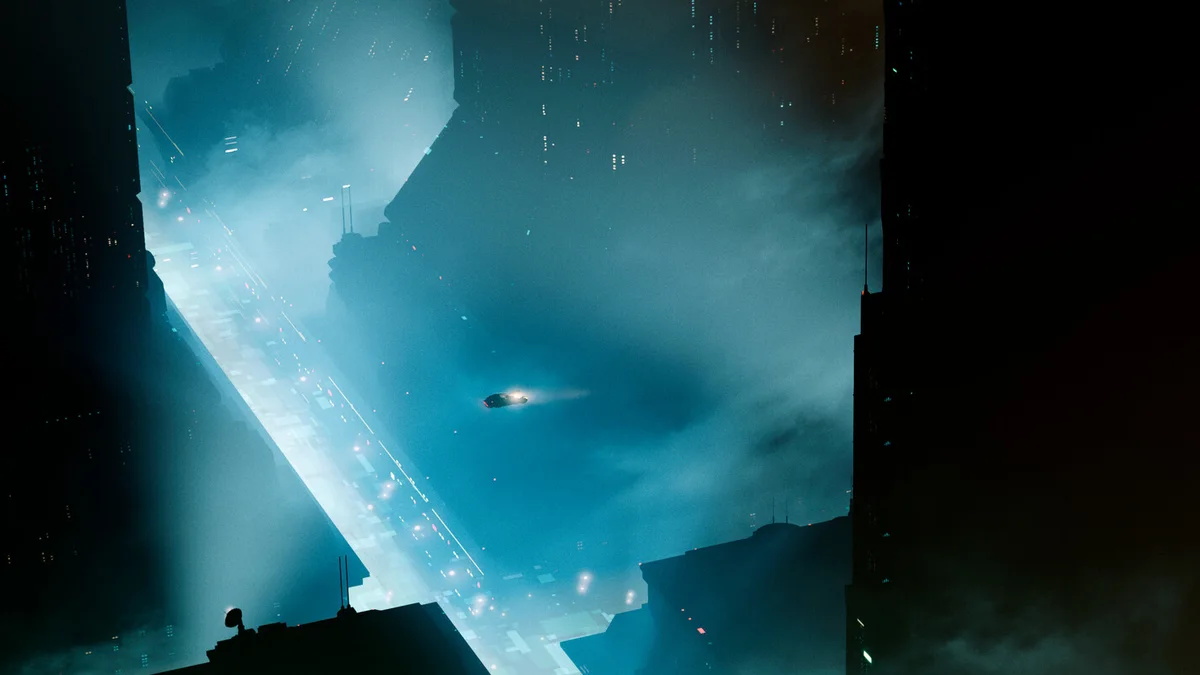
Nearly thirty years after Westwood Studios delivered its landmark 1997 PC adventure, the rain-soaked neon canyons of Los Angeles are finally in line for a modern big-budget return. Ahead of the November 25 premiere of the Blade Runner 2099 television series on Prime Video (starring Michelle Yeoh and Hunter Schafer), Andrew Kosove and Broderick Johnson, co-founders and co-CEOs of Alcon Entertainment, have confirmed that active discussions are underway to develop a AAA Blade Runner video game.
An Emphatic “Yes” From Alcon Entertainment on AAA Ambitions
Since acquiring the worldwide rights to the Blade Runner franchise from veteran producer Bud Yorkin in 2011, Alcon Entertainment has overseen all film, television, and interactive expansions of the universe. When asked why a foundational pillar of cyberpunk science fiction had not yet received a modern big-budget game on the scale of Cyberpunk 2077, Kosove and Johnson confirmed that negotiations to fill that void are already happening behind closed doors.
Kosove answered with an emphatic “Yes,” deliberately stressing the phrase “AAA” to signal the scale of Alcon Entertainment's vision for the franchise's gaming future. While keeping the prospective development studio and publisher under wraps for now, Kosove underscored that the core priority of the project is allowing players to physically “interact” with the world of Blade Runner.
Overcoming Recent Setbacks: Blade Runner 2033: Labyrinth and Time To Live
The confirmation from the IP holders arrives at a pivotal moment after two high-profile false starts left fans fearing the franchise was cursed in the gaming space. In June 2023, Annapurna Interactive revealed Blade Runner 2033: Labyrinth, the debut project from its internal development team led by director Chelsea Hash (Solar Ash, What Remains of Edith Finch). Set in the aftermath of the 2022 Black Out between the original 2019 film and Blade Runner 2049, the game centered on a compelling premise: what does a Blade Runner do when there are no Replicants left to hunt?
However, following the mass resignation of Annapurna Interactive's entire executive leadership and internal staff in September 2024, development ground to a halt. Blade Runner 2033: Labyrinth has since been quietly delisted from Steam and scrubbed from Annapurna's official website, leaving the project effectively shelved.
Behind the scenes, a second unannounced project in development at UK studio Supermassive Games (Until Dawn, The Quarry) codenamed Blade Runner: Time To Live suffered a similar fate. Pitched as a cinematic third-person action-adventure game with a budget of roughly $45 million targeting the 2027 video game release calendar across PS5, Xbox Series X|S, PC, and next-generation hardware, the project was internally canceled in late 2024 following creative and contractual disagreements with Alcon Entertainment.
Nearly Three Decades in the Shadow of Westwood Studios' 1997 Classic
Kosove's emphasis on a true AAA production highlights just how sparse the franchise's interactive catalog has been over the past four decades. Its earliest outing, published in 1985 by CRL Group PLC for the Commodore 64, ZX Spectrum, and Amstrad CPC, couldn't even secure the film license from Ridley Scott's 1982 masterpiece; instead, it was billed as an adaptation of the Vangelis soundtrack where players hunted “Replidroids” for bounty money. Decades later, the theatrical release of Blade Runner 2049 in 2017 was accompanied only by brief promotional virtual reality tie-ins such as Blade Runner 2049: Replicant Pursuit and Memory Lab.
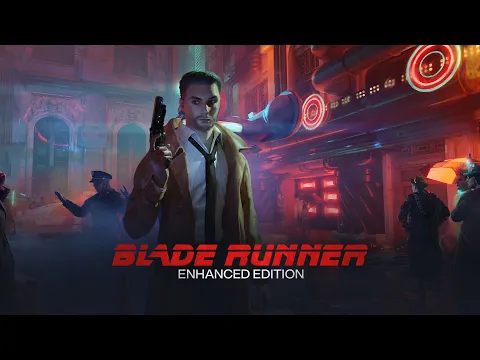
To this day, the gold standard for the IP remains Westwood Studios' November 1997 PC point-and-click adventure, published by Virgin Interactive. Selling over one million copies, and later remastered in 2022 by Nightdive Studios as Blade Runner: Enhanced Edition, the game cast players as detective Ray McCoy investigating a rash of animal murders across 2019 Los Angeles alongside Rick Deckard's timeline. Using pioneering real-time 3D voxel characters, the game randomized which suspects were Replicants and which were human at the start of every playthrough, demanding genuine detective work with the Voight-Kampff machine and ESPER photo analysis rather than relying on the safe formulas that many studios navigate in today's crowded release landscape.
My Field Notes
Whenever I revisit Westwood Studios' 1997 archive, what Louis Castle and his team pulled off still feels ahead of its time: building a breathing voxel Los Angeles where suspects moved through the city on their own schedules and where a trusted ally could be human in one run and a Replicant in the next was pure design brilliance. Watching Blade Runner 2033: Labyrinth quietly vanish from Steam after Annapurna's internal implosion, right alongside the quiet cancellation of Supermassive's Time To Live, was a tough pill to swallow for anyone who loves neo-noir detective worlds. Hearing Andrew Kosove explicitly stress the word “AAA” and focus on physical player interaction gives me hope, provided Alcon Entertainment hands the keys to a studio that understands Blade Runner isn't about nonstop gunfights, but about soaking in the rain, questioning every testimony, and getting lost in a systemic metropolis with the depth of Cyberpunk 2077.

Originally from Lyon, France, gaming journalist Bastien "Orion" relocated nearly a decade ago to Quebec City's Saint-Roch district, right in the heart of eastern Canada's development studio hub. Before crossing the Atlantic, he honed his versatile reporting style across classic French gaming web portals and specialist television outlets in the 2000s and 2010s, notably with JeuxVideo.fr and JeuxNews. Equally passionate about AAA blockbusters, North American studio culture, retro preservation, and community modding projects, he anchors Pro-Gamer's transatlantic desk and real-time coverage of US and Japanese industry announcements.