AMD Ryzen and Winbond flaws cut 6-digit BitLocker PIN cracking from 19 years to 20 days on millions of PCs
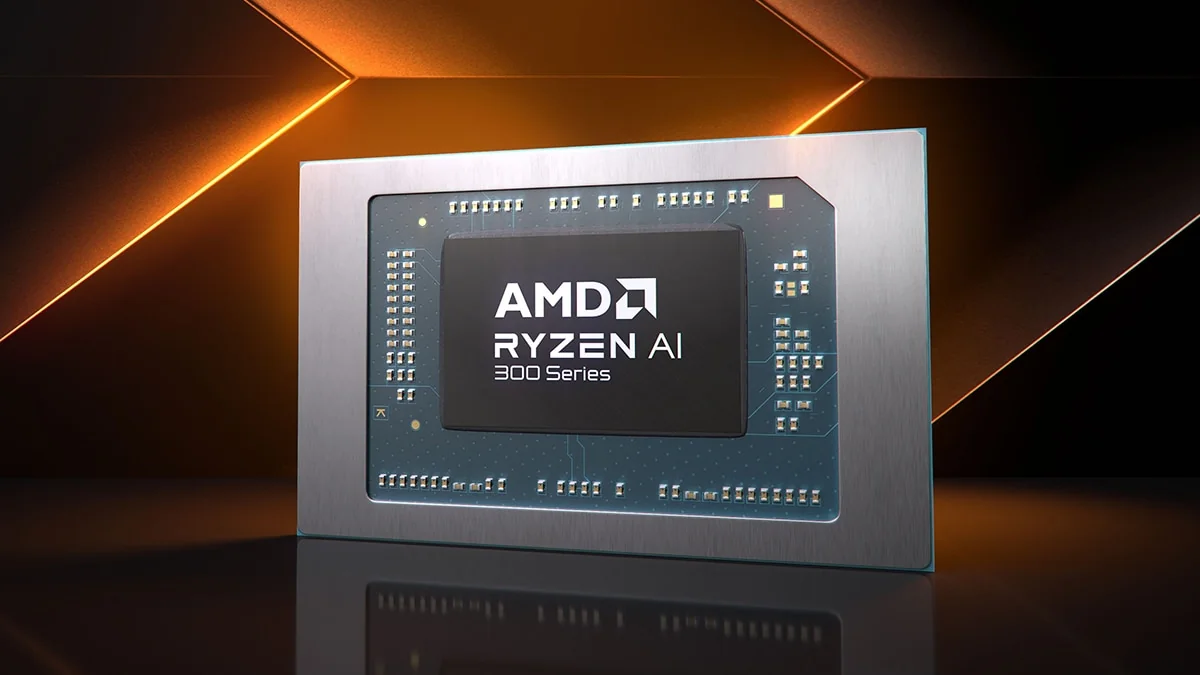
On Windows, a short numeric PIN is meant to defeat brute-force guessing through hardware TPM lockout delays. New research from TU Berlin challenges that assumption across millions of laptops, desktops, and Windows gaming handhelds. By combining an AMD firmware flaw (CVE-2026-43613) or a hardware defect in Winbond SPI flash chips, worst-case cracking of a default 6-digit BitLocker PIN plunges from 19 years to 20 days.
Let us keep the threat model grounded: no remote attack over the Internet is possible. Unlike online infostealer campaigns targeting PC gamers, exploiting either flaw demands direct physical access, opening the device, and clipping an interposer onto the motherboard SPI flash chip. The practical threat applies to stolen, lost, or unattended laptops and Windows handhelds (evil maid attacks).
How attackers bypass RPMC anti-hammering counters
In Hello Again on arXiv (Distinguished Paper Award at ACM CCS '26), Christian Werling, Matti Finder, Hans Niklas Jacob, Julian Prein, Niclas Kühnapfel, and Jean-Pierre Seifert dissect the CPU-integrated fTPM used on modern x86 PCs. Its dictionary-attack lockout counter lives on the motherboard SPI NOR flash chip, guarded by RPMC (Replay Protected Monotonic Counters).
- AMD CVE-2026-43613 (CVSS 4.0 5.1, CWE-345): covered in the official AMD-SB-7079 advisory (November 17, 2026), it lets attackers suppress RPMC counter increments in the AMD Secure Processor (ASP). On AMD desktops lacking RPMC flash, simply reflashing an older image resets the counter.
- Winbond hardware flaw: via ~1-second voltage glitching over an SPI interposer, attackers leak the HMAC key from RPMC-capable Winbond NOR flash chips. With Winbond holding over 25% market share, Intel and Microsoft Pluton machines using Winbond flash are also vulnerable, with no software or BIOS fix possible on shipped silicon.
| Windows protection | Before attack | With RPMC bypass | Impact on stolen hardware |
|---|---|---|---|
| BitLocker (6-digit TPM+PIN) | 19 years | 20 days | Full encrypted drive decryption |
| Windows Hello (4-digit PIN) | 69 days | 40 hours | Access to device-bound keys and enterprise SSO |
Affected AMD Ryzen platforms and AGESA roadmap
AMD is addressing its firmware flaw through updated AGESA releases inside OEM BIOS updates. That covers desktop builders eyeing next-gen AMD Ryzen Zen 6 on AM5 as well as portable Windows gaming handhelds like the ROG Ally and Legion Go powered by Ryzen Z1 and Z2 silicon.
| AMD product family | Target AGESA branch | AMD-SB-7079 window |
|---|---|---|
| AM4 Desktop (Ryzen 3000/4000/5000) | ComboAM4v2PI 1.2.0.13 / ComboAM4PI 1.0.0.12 RC1 | November 2026 |
| AM5 Desktop (Ryzen 7000/8000/9000) | ComboAM5PI 1.2.0.3n, 1.1.0.3l / 1.0.0.m | Nov. to Dec. 2026 |
| Laptops (Ryzen Mobile 4000 to 9000HX, AI 300/400, AI Max) | Mobile AGESA builds | Nov. to Dec. 2026 |
| Handhelds (Ryzen Z1, Z2, Z2 Extreme, Z2 Go) | PhoenixPI / StrixKrackanPI / RembrandtPI | Nov. to Dec. 2026 |
| Threadripper 7000/9000, EPYC 4004/4005, Embedded | Platform firmware updates | Nov. 2026 to Feb. 2027 |
How to lock down your system right now
- Switch to an alphanumeric PIN: replace 4-digit or 6-digit Windows Hello and BitLocker PINs with 8 to 12+ characters mixing uppercase, lowercase, digits, and symbols.
- Apply AGESA BIOS updates: watch your motherboard, laptop, or handheld support page across November and December 2026.
- Guard portable devices physically: never leave laptops or Windows handhelds unattended in transit or public places.
My Test Bench
If your gaming desktop sits safely at home, skip the panic: nobody can clip an SPI interposer onto your motherboard remotely. Still, the TU Berlin work highlights a blind spot on portable Windows gear. A laptop or Ryzen Z1/Z2 handheld riding in a backpack should no longer rely on 4 or 6 digits. Switching to a strong alphanumeric PIN takes two minutes and closes the brute-force window regardless of the flash chip inside.

PC hardware enthusiast and competitive gamer, Arthur 'Heimdall' splits his time between France and the UK working in enterprise B2B software solutions. A business school graduate passionate about component benchmarking, he has been building, modding, and tuning PCs since childhood, optimizing every thermal degree and millisecond of display latency. An avid gamer across Assassin's Creed and sandbox titles, he forged his alliance with Grimtag and Chaya during late-night World of Warcraft raids before joining Pro-Gamer.