Halo, Forza, and Wi-Fi System Link on Android: How Original Xbox Emulator hakuX 1.2 Unleashes Snapdragon ARM64 Handhelds
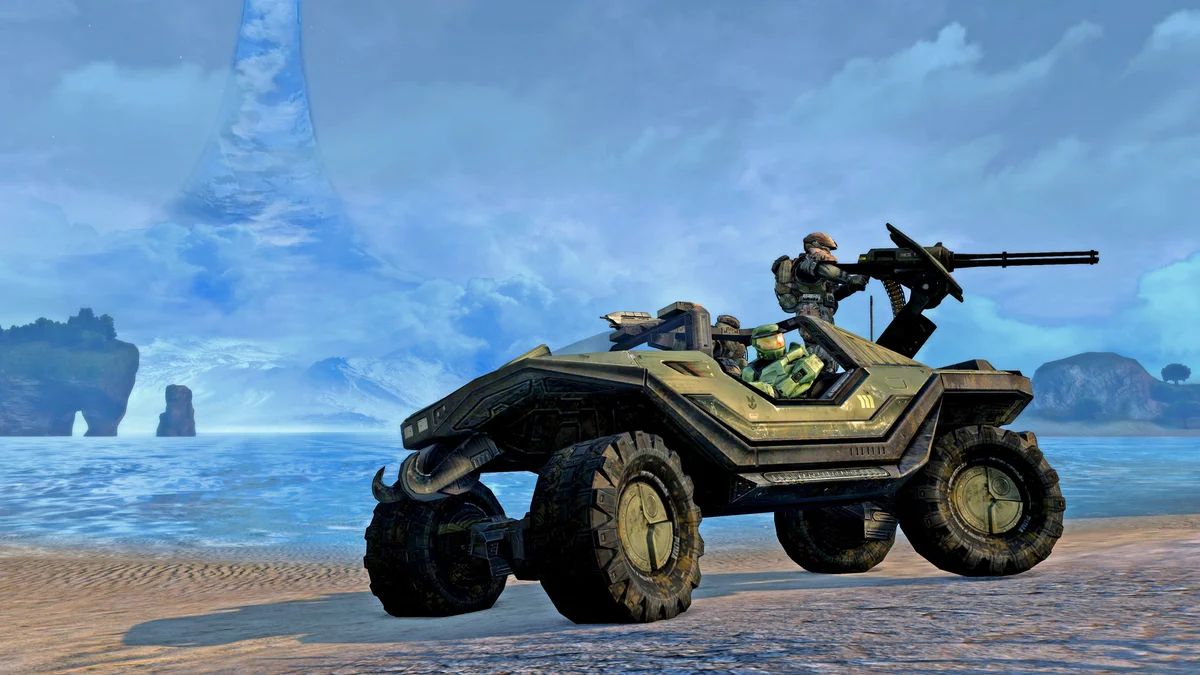
Long regarded as the toughest sixth-generation console to emulate on portable hardware due to its x86 processor (a custom 733 MHz Pentium III) and proprietary Nvidia NV2A graphics chip, the 2001 original Xbox has just hit a major milestone on Android handhelds and smartphones. Released under the free GNU GPL v3 license by developer rfandango on the official hakuX GitHub repository, the new hakuX 1.2.0 update not only runs heavyweights like Halo: Combat Evolved, Halo 2, and Forza Motorsport at full speed on ARM64 chips, but also unlocks wireless System Link local multiplayer.
FEXCore JIT, Native Kernel, and Vulkan HLE: Why hakuX Ditched QEMU
Until recently, bringing Microsoft's debut console to mobile devices meant relying on heavy system-level ports derived from the QEMU architecture used on desktop by xemu. Since its ground-up architectural overhaul in the 1.x branch, hakuX takes a fundamentally different route to eliminate CPU overhead on mobile ARM64 processors. Notably, the emulator requires no copyrighted Xbox BIOS, MCPX boot ROM, or pre-built hard disk image to boot user-dumped .iso or .xiso game discs.
Under the hood, the x86 instructions inside Xbox executables (.xbe) are translated on the fly to ARM64 via a custom FEX-based JIT compiler (FEXCore fork) paired with a native reimplementation of the Xbox kernel. On the graphics front, rather than emulating every legacy hardware register at a low level, hakuX decodes the Direct3D push buffer sent to the Nvidia NV2A GPU and translates it directly into high-level Vulkan commands (HLE). Only the MCPX APU sound processor,ported from xemu,is retained and routed through Android's native AAudio API, cutting audio latency from 128 ms down to roughly 32 ms.
This architectural shift is backed by targeted optimizations built specifically for handheld gaming. Each title now maintains its own isolated graphics pipeline cache, eliminating the shared-cache rewrites that previously froze gameplay for 0.2 to 0.8 seconds during fast combat in Ninja Gaiden Black. Texture unswizzling is accelerated via ARM NEON instructions, while multithreaded savestate compression drops a Halo 2 save time from 9.6 seconds down to 3.9 seconds. This breakthrough caps off an extraordinary week for low-level emulation engineering, arriving right alongside the first commercial games booting on the Eden emulator on PC.
Wi-Fi System Link, XLink Kai, and 12 Classic Games Fixed in Version 1.2.0
The headline addition in hakuX 1.2.0 is full support for original Xbox networking. By enabling the new LAN toggle (Settings → Network → System link → LAN), multiple Android handhelds or phones connected to the same home Wi-Fi network automatically discover one another just like original Xbox consoles wired together via Ethernet for classic Halo or Call of Duty 3 LAN parties.
For players across different subnets or remote locations, hakuX 1.2.0 supports manual IP host entry over VPN tunnels such as Tailscale and ZeroTier, as well as global internet matchmaking through an XLink Kai engine running on the local network. To prevent the classic pitfall where two devices sharing a cloned virtual hard disk image fail to see each other in multiplayer lobbies, the emulator now generates a unique serial number, network address, and online key for each virtual console instance.
On the compatibility side, version 1.2.0 resolves critical boot failures, rendering glitches, and freezes across twelve notable Xbox releases:
- Sega GT 2002: Full restoration of car body paint, environmental reflections, and sun highlights.
- Doom 3 and Silent Hill 2: Elimination of the crashes that previously occurred while loading the main menu (Doom 3) or transitioning between rooms (Silent Hill 2).
- Splinter Cell: Double Agent and Ultimate Spider-Man: Fixes for immediate crashes that closed both games within a second of booting.
- Project Gotham Racing 2 and Super Monkey Ball Deluxe: Repair of opening FMV sequences and attract-mode replays that previously rendered as a black screen.
- Fatal Frame II: Crimson Butterfly and Grand Theft Auto III: Proper disc read ordering required by Fatal Frame II and removal of the false damaged-disc error screen in GTA III.
- AirForce Delta Storm and Dungeons & Dragons Heroes: Working physical controller and touch input response in AirForce Delta Storm, alongside restored tutorial prompts in Dungeons & Dragons Heroes.
Built-In 60 and 120 FPS Mods, Turnip Drivers, and Experimental Mali Support
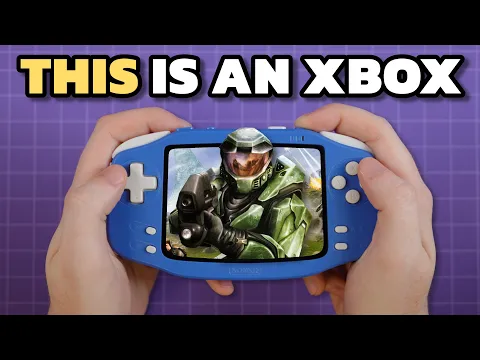
Primarily tuned for Qualcomm Snapdragon processors equipped with Adreno GPUs,ranging from the Snapdragon 865 inside the Retroid Pocket 5 to the Snapdragon 8 Gen 2 and 8 Gen 3 powering the AYN Odin 2 lineup,hakuX features a dedicated GPU driver manager that loads custom Turnip Vulkan drivers via adrenotools. Version 1.2.0 further reduces frame stutter under Turnip by allowing rendered frames to reach the display without a CPU wait ahead of each submission. Building on version 1.1, an experimental compatibility layer also extends support to ARM Mali (Valhall and Bifrost, with Burnout 3: Takedown and Mercenaries running cleanly on a Pixel 8's Mali-G715), Samsung Xclipse, and PowerVR GPUs, including vendor drivers capped at Vulkan 1.1.
Even more impressive for a mobile emulator, the APK ships with built-in on-the-fly executable patches (accessible by long-pressing a title and opening Mods & cheats) that unlock 60 FPS or 120 FPS across 13 classic games without altering their internal simulation speed. In Halo: Combat Evolved and Halo 2, the mod interpolates camera motion, characters, vehicles, and first-person weapons at 60 or 120 frames per second between Bungie's original 30-Hz logic ticks. Supported titles also include Forza Motorsport, Project Gotham Racing 2, Burnout 3: Takedown, Jet Set Radio Future, Ninja Gaiden Black, Panzer Dragoon Orta, Conker: Live & Reloaded (including split-screen), Crimson Skies: High Road to Revenge, Dead or Alive Ultimate, Otogi: Myth of Demons, and Otogi 2: Immortal Warriors.
Finally, version 1.2.0 refines controller handling so that only active player pads are virtually plugged into the console, supporting seamless hot-plugging and player reassignment without restarting the game,ideal when docking a handheld to a TV and pairing a dedicated pro controller equipped with TMR magnetic sticks or launching titles directly from the ES-DE frontend.
My Test Bench
Looking at the 2001 Xbox from a hardware testing perspective makes it obvious why Microsoft's first console resisted mobile SoCs for two decades: its Nvidia NV2A GPU relies on fixed-function register combiners and texture formats that map poorly to modern mobile tile-based ARM graphics pipelines. As long as early Android projects tried to brute-force full-system emulation through QEMU, mobile CPUs hit a thermal wall and battery life plummeted.
The engineering triumph behind hakuX is ditching QEMU altogether in favor of a lightweight FEXCore JIT for x86 code paired with high-level Vulkan push-buffer translation for the NV2A. Seeing Forza Motorsport, Ninja Gaiden Black, and Halo: Combat Evolved run at 60 FPS without shader-cache freezes on a 10W-to-15W handheld like the Retroid Pocket 5 (Snapdragon 865 with Turnip drivers) or a Snapdragon 8 Gen 2 device is a genuine milestone. Adding zero-cable Wi-Fi System Link in version 1.2.0 turns any pair of Android handhelds into a portable 2002 Xbox LAN party.

PC hardware enthusiast and competitive gamer, Arthur 'Heimdall' splits his time between France and the UK working in enterprise B2B software solutions. A business school graduate passionate about component benchmarking, he has been building, modding, and tuning PCs since childhood, optimizing every thermal degree and millisecond of display latency. An avid gamer across Assassin's Creed and sandbox titles, he forged his alliance with Grimtag and Chaya during late-night World of Warcraft raids before joining Pro-Gamer.