Super Mario Bros.: Why Shigeru Miyamoto Says Mario Was Never Actually Meant to Fight Bowser
Forty years after laying the foundations of modern side-scrolling platformers on the Famicom and NES, Super Mario Bros. is still revealing the secrets behind its blueprint. Last week, Shigeru Miyamoto made history as the very first video game developer ever to receive Japan's prestigious Order of Culture from the Japanese government, an honor traditionally reserved for Nobel Prize laureates, acclaimed filmmakers, and literary icons. Speaking during the press conference that followed the ceremony, the creator of Mario, The Legend of Zelda, and Donkey Kong reflected on the 1985 masterpiece that transformed the industry. According to Miyamoto, the most intriguing detail about the original Super Mario Bros. isn't its smooth scrolling or hidden Warp Zones, but a design paradox millions of players experienced firsthand: you don't actually fight Bowser.
Running to the Right Instead of Fighting: The 1985 Breakthrough
When asked what stands out most to him about the 1985 platformer today, Shigeru Miyamoto pointed directly to the game's end-of-world castle encounters. Back in the mid-1980s, Nintendo's compact development team was grappling with how to program a climactic, high-stakes boss battle within the tight memory constraints of early Famicom cartridges without breaking the natural flow of the controls.
Rather than bolting on a separate combat mechanic, health bars, or melee attacks, the team looked back at the core grammar of their game. As Miyamoto explained during the press conference, the developers realized that since the entire game is built around the joy of running and jumping to the right, the boss battles should work the exact same way.
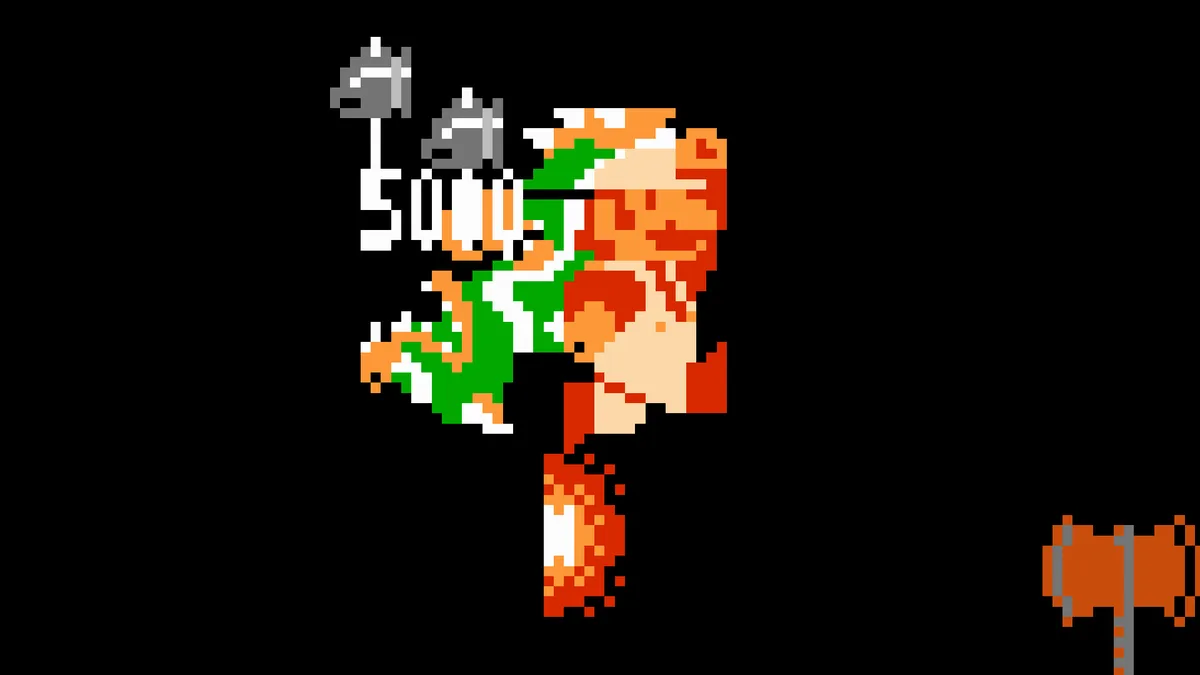
That simple epiphany gave birth to one of gaming's most iconic showdowns. Across the eight worlds of Super Mario Bros., defeating Bowser on the lava bridge isn't about trading blows. Instead, players have to read his movement patterns, dodge incoming fireballs and arcs of hammers, and either leap clean over his spiked shell or sprint underneath him mid-jump to touch the axe waiting on the far right side of the bridge. Hitting that single target severs the bridge supports and sends the King of the Koopas plunging into the lava pit below.
The Optional Fire Flower and the Evolution of Bowser Battles
Veterans of the NES original will naturally recall one famous caveat: if you manage to carry a Fire Flower all the way to the end of the castle, you can technically defeat Bowser directly by pelting him with fireballs (which also reveals that the bosses in Worlds 1 through 7 are actually disguised minions in Bowser costumes). However, that method was always an optional reward for players who cleared the fortress without taking damage. The core encounter itself was engineered so that even Small Mario, armed with nothing but momentum and timing, could outmaneuver the final boss.
This design philosophy perfectly captures Nintendo's enduring focus on mechanical clarity and purposeful level design, the very same mindset behind why Shigeru Miyamoto emphasizes human creative intention over generative AI. By refusing to interrupt the platforming rhythm with a clunky combat system, the 1985 team turned pure movement into a unforgettable finale.
It wasn't until subsequent console generations that Mario's showdowns with Bowser evolved into true arena battles. In Super Mario World (1990) on the Super NES, players had to stun and toss Mechakoopas upward into Bowser's Koopa Clown Car, while Super Mario 64 (1996) famously let players grab Bowser by the tail and swing him into spiked bombs around a 3D stage, paving the way for the rhythmic boss spectacles seen in Super Mario Bros. Wonder on Nintendo Switch.
An 8-Bit Masterpiece That Remains a Collector's Grail
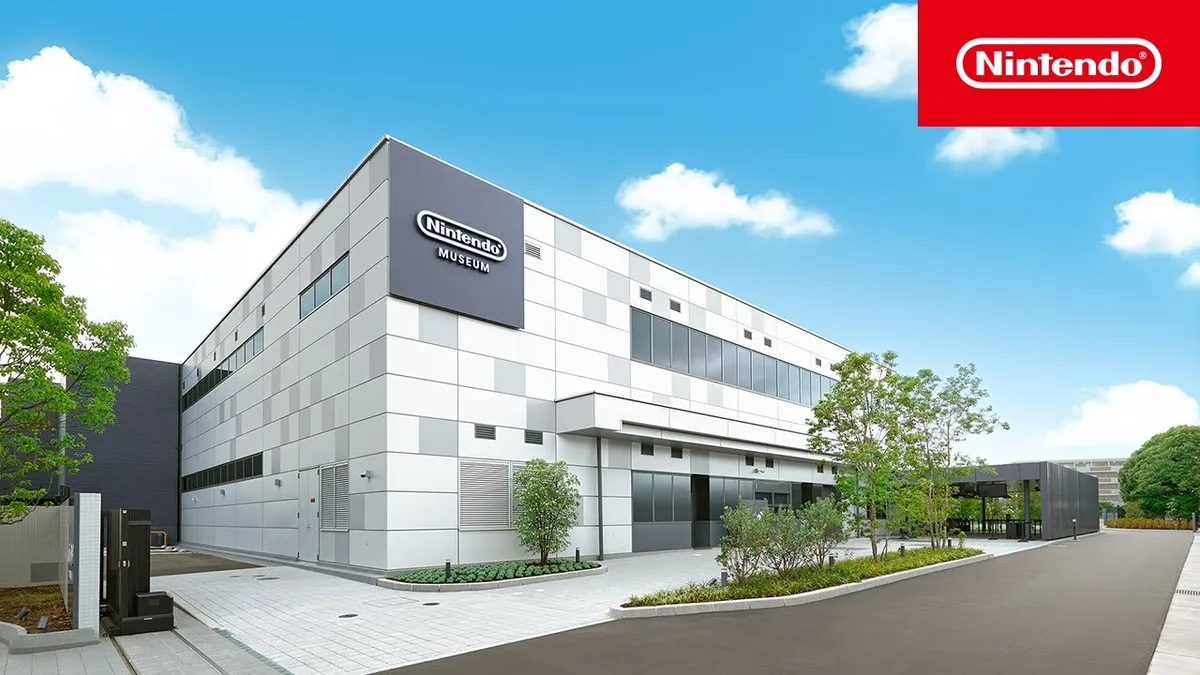
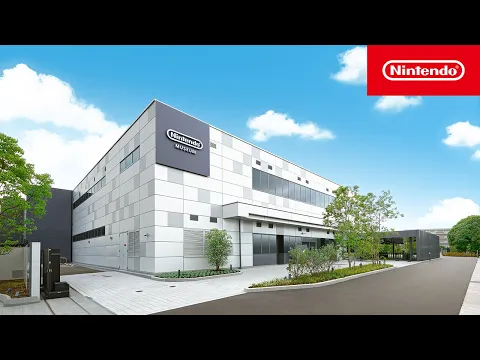
That economy of design, celebrated today at the Nintendo Museum in Kyoto, is a testament to how every single kilobyte of the 1985 cartridge shaped interactive entertainment.
Four decades later, the original NES cartridge remains a cornerstone for retro collectors worldwide: according to the Super Mario Bros. NES price guide on Retrocharting, the classic NTSC release currently averages $15.70 loose, climbs to $211.91 Complete in Box (CIB), and reaches $1,219.00 in sealed Brand New condition.
My Perspective
Reading Shigeru Miyamoto's reflection immediately put a huge smile on my face because it captures the exact rush we have all felt on that castle bridge. Whenever I replay the original Super Mario Bros. on NES or fire it up on Nintendo Switch Online, reaching World 8-4 as Small Mario still makes my heart race. I used to be convinced that losing my Fire Flower before the bridge meant certain doom, until I realized that the real thrill of the level is waiting for that split-second opening, sprinting right underneath a airborne Bowser through a hail of hammers, and tagging the axe by a single pixel!
I am endlessly fascinated by how the 1985 team turned a hardware limitation into one of the smartest design lessons in gaming history. In an era where so many modern action games bog down their finales with bloated health bars that completely stall the pacing, Miyamoto reminds us that in a platformer, the most satisfying victory is simply a fearless leap to the right. Honestly, I am delighted that hitting that bridge axe still feels every bit as triumphant forty years later.

Based on the outskirts of New York City, Chaya 'Chayane' spent five years studying software engineering in Montreal before returning to her home state. A Full-Stack developer and Deep Learning AI architecture researcher, she explores neural networks and algorithmic optimization while engineering data pipelines for Retrocharting and Gamescharting alongside Grimtag. A gamer for over 20 years and an avid collector of Nintendo history and The Legend of Zelda, she explored World of Warcraft's Azeroth before bringing her deep technical background to video game analysis.