Snubbed From VCT 2027 After Years of Tier 2 Investment: Why Co-Owner Ludwig Wants Shopify Rebellion to Abandon Valorant Completely
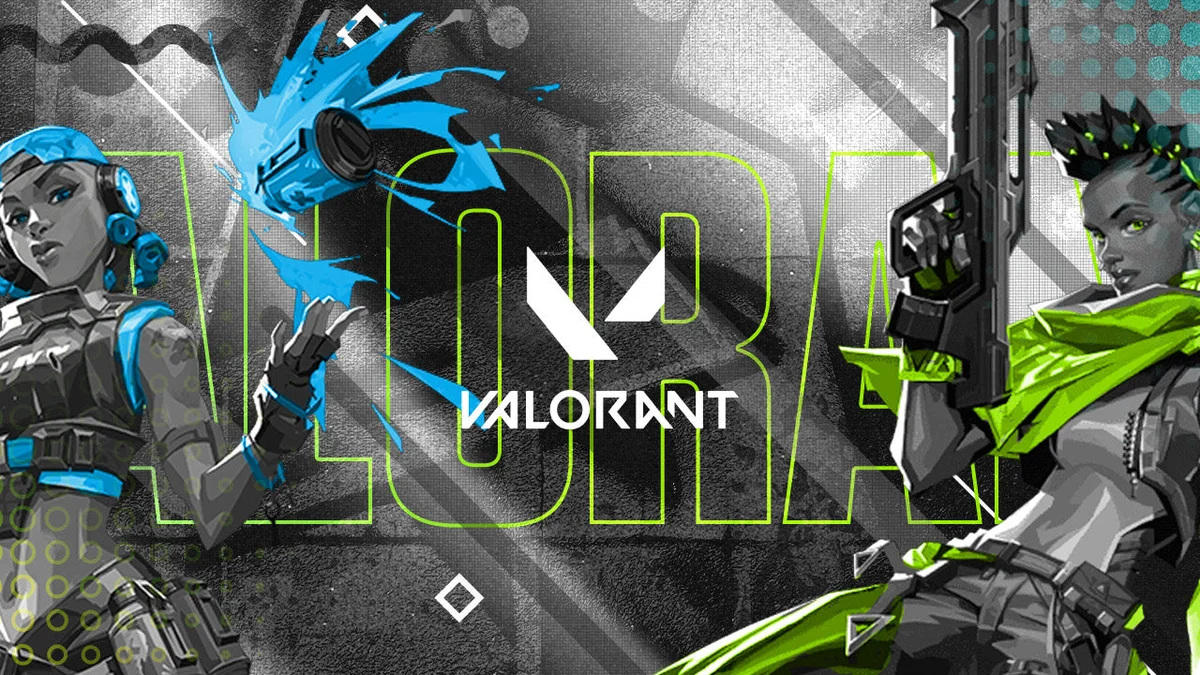
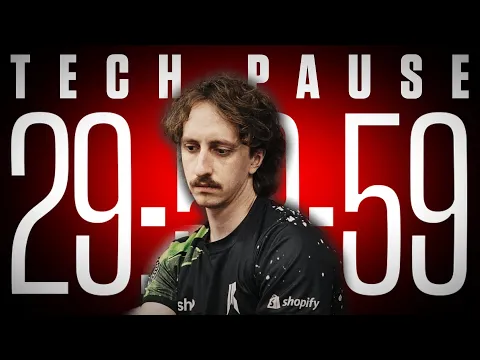
The fallout from the upcoming competitive restructuring in North America has reached a boiling point. Days after Riot Games cut the 2027-2028 VCT partner list from 40 to 32 teams, Shopify Rebellion co-owner Ludwig Ahgren publicly stated that his organization should walk away from competitive Valorant entirely.
Speaking candidly during his October 20, 2026 livestream, the content creator and co-owner (who joined Shopify Rebellion alongside Charles "MoistCr1TiKaL" White Jr. following the Moist Moguls merger) did not hold back after learning the organization was passed over for a VCT Americas partnership slot.
"I See No Reward for Doing So": Why Ludwig Wants Out of Valorant
With Riot Games trimming each international league down to eight permanent partner organizations for the 2027-2028 cycle, prominent North American contenders including Shopify Rebellion, M80, and ENVY were left outside the franchised gate.
"Basically, I think that Shopify Rebellion should abandon Valorant completely. Riot Games has screwed us long enough, and I don't know if I want to pursue it anymore because I see no reward for doing so."
Ludwig Ahgren, Shopify Rebellion co-owner, on livestream (October 2026)
At the core of Ludwig's frustration is the massive financial chasm separating partnered franchises from the rest of the North American scene. Partnered VCT Americas teams receive millions of dollars in annual stipends and revenue-sharing from team-branded in-game skin bundles, whereas VCT Challengers North America organizations pay six-figure roster expenses out of pocket with zero access to digital item revenue.
Check Valorant deals on Allkeyshop→
The "Moneyball" Feeder Trap: Developing Champions for NRG
Ludwig highlighted how the current structure punishes unpartnered organizations even when they execute a textbook "Moneyball" strategy. If a Challengers team scouts undervalued talent and defies the odds, wealthier partnered organizations immediately poach their star players before the next season begins.

He pointed directly to the trajectory of Brock "brawk" Somerhalder and Adam "mada" Pampuch. Both players honed their craft under the Moist x Shopify Rebellion banner in North American Challengers before being signed by partnered powerhouse NRG ahead of the 2025 season, where they went on to win the world title at VALORANT Champions Paris 2025.
Without franchise protection or bundle revenue to match Tier 1 salary offers, Challengers organizations effectively operate as uncompensated farm systems for the eight partnered clubs, a structural flaw that epitomizes the harsh realities of the 2026 esports business model.
Years of Commitment Across NA Challengers and Game Changers
What makes the 2027 partnership snub sting even more for North American fans is the sheer scale of Shopify Rebellion's investment across the entire Valorant ecosystem. Beyond fielding Shopify Rebellion Black in Challengers (which famously battled through a marathon 2026 VCL Americas LCQ Grand Final in Monterrey), the organization built the most decorated dynasty in VCT Game Changers history.
Their women's division, Shopify Rebellion Gold, captured back-to-back VCT Game Changers World Championships in 2023 and 2024, finished as global runners-up in Seoul in 2025, and qualified once again for the 2026 championship in São Paulo. Even though Riot's 2027 format will allow top Challengers squads to compete in regional Stage 2 Playoffs for a shot at Champions, missing out on partner skin bundles leaves creator-backed teams absorbing steep annual losses.
My Perspective
Hearing Ludwig speak with such candor is a sobering moment for anyone who cares about the grassroots health of North American esports. Few organizations have poured as much genuine passion, financial stability, and creative energy into both Challengers and Game Changers as Shopify Rebellion has over the past four years.
When an organization that developed future world champions and elevated the women's competitive scene to historic heights feels that staying in the ecosystem is a dead end, Riot Games has a serious structural problem on its hands. Opening a tournament pathway to Stage 2 Playoffs in 2027 is a positive step on paper, but until Tier 2 teams receive a fair share of digital ecosystem revenues, talent incubators will keep questioning why they are footing the bill.

Based on the outskirts of New York City, Chaya 'Chayane' spent five years studying software engineering in Montreal before returning to her home state. A Full-Stack developer and Deep Learning AI architecture researcher, she explores neural networks and algorithmic optimization while engineering data pipelines for Retrocharting and Gamescharting alongside Grimtag. A gamer for over 20 years and an avid collector of Nintendo history and The Legend of Zelda, she explored World of Warcraft's Azeroth before bringing her deep technical background to video game analysis.