From Call of Duty 4 to Modern Warfare 4: Ranking the 10 Best Multiplayer Modes in Franchise History
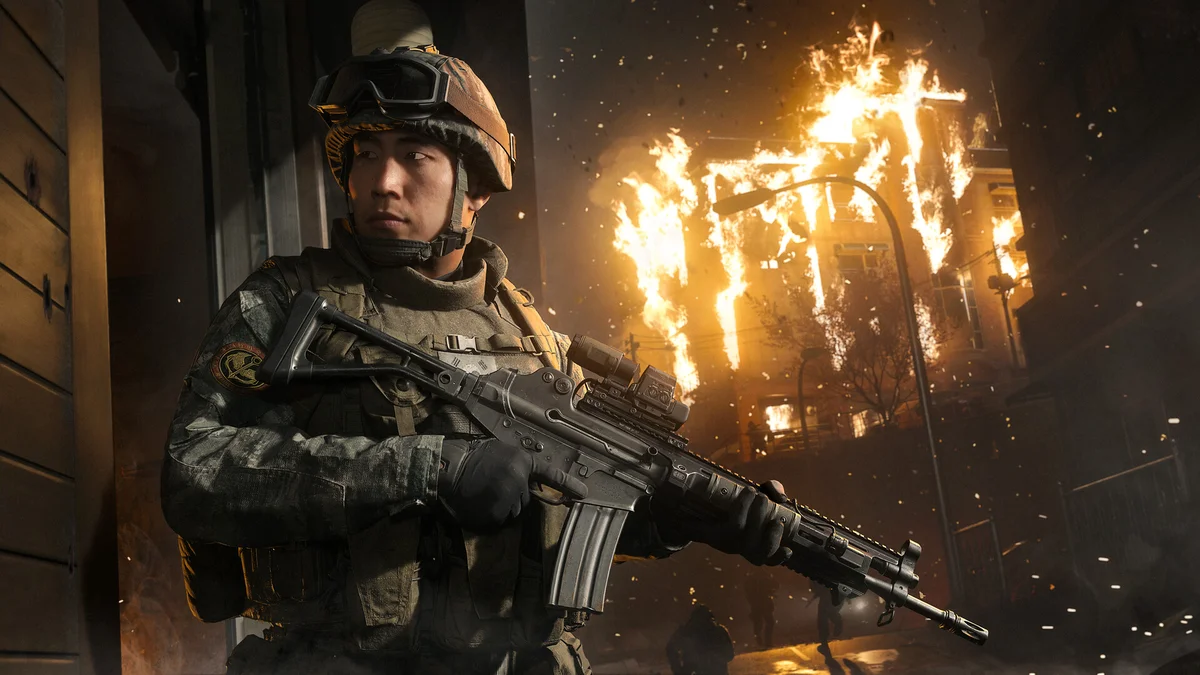
With 22 mainline entries already in the books and Call of Duty: Modern Warfare 4 (the 23rd flagship installment published by Activision) preparing to deploy, the annual shooter juggernaut is once again putting its crown on the line. While the single-player campaign and the expanded DMZ extraction mode are major pillars this year, competitive multiplayer remains the ultimate benchmark that determines whether an entry thrives or fades. As Modern Warfare 4 overhauls rotational aim assist and lengthens its Time-to-Kill, which entries set the highest standard across nearly two decades of firefights? Here is our technical ranking of the 10 best Call of Duty multiplayer modes in history.
From #10 to #6: Modern Mechanical Polish vs. the Jetpack Era
Before stepping into the historical top five, the first half of this ranking highlights how Infinity Ward, Treyarch, and Sledgehammer Games have constantly balanced movement speed, three-dimensional mobility, and gunfight readability:
- 10. Call of Duty: Modern Warfare III (2023): Led by Sledgehammer Games, this entry directly addressed the sluggish pacing of its immediate predecessor. Boosting base player health to 150 HP (lengthening the TTK to reward sustained tracking), restoring classic red dots on the minimap for unsuppressed fire, bringing back slide canceling, and launching with all 16 remastered maps from 2009 made it one of the sharpest modern multiplayers.
- 9. Call of Duty: Black Ops Cold War (2020): Developed under tight deadlines by Treyarch, Cold War preserved the franchise’s classic arcade DNA with readable three-lane maps (Moscow, Crossroads Strike, Raid) and a demanding TTK that rewarded headshot multipliers. Only its controversial persistent Scorestreak system held it back from climbing higher.
- 8. Call of Duty: Black Ops 6 (2024): Treyarch shook up fundamental traversal with Omnimovement, allowing players to sprint, slide, and dive across a full 360 degrees. Paired with the return of the classic 10-level Prestige system and crisp hit registration, it injected fresh mechanical energy into the core loop.
- 7. Call of Duty: Modern Warfare 3 (2011): Often overshadowed by its 2009 predecessor, the original MW3 revolutionized reward loops by introducing Strike Packages (Assault, Support, and the fan-favorite Specialist package that granted every perk on a long gunstreak), alongside the debut of the iconic Kill Confirmed mode and maps like Dome.
- 6. Call of Duty: Black Ops III (2015): Out of the entire advanced movement era (alongside Advanced Warfare and Infinite Warfare), Black Ops III stands tall as the undisputed peak. Its thruster jumps and fluid wall-running were seamlessly built into arenas like Combine and Fringe, while Specialist abilities added high-stakes tactical plays.
The All-Time Top 5: When Call of Duty Defined the Global FPS Standard
The top five showcase the unmatched legacy of the franchise’s golden era (2007 to 2012) alongside the monumental engine overhaul of 2019:
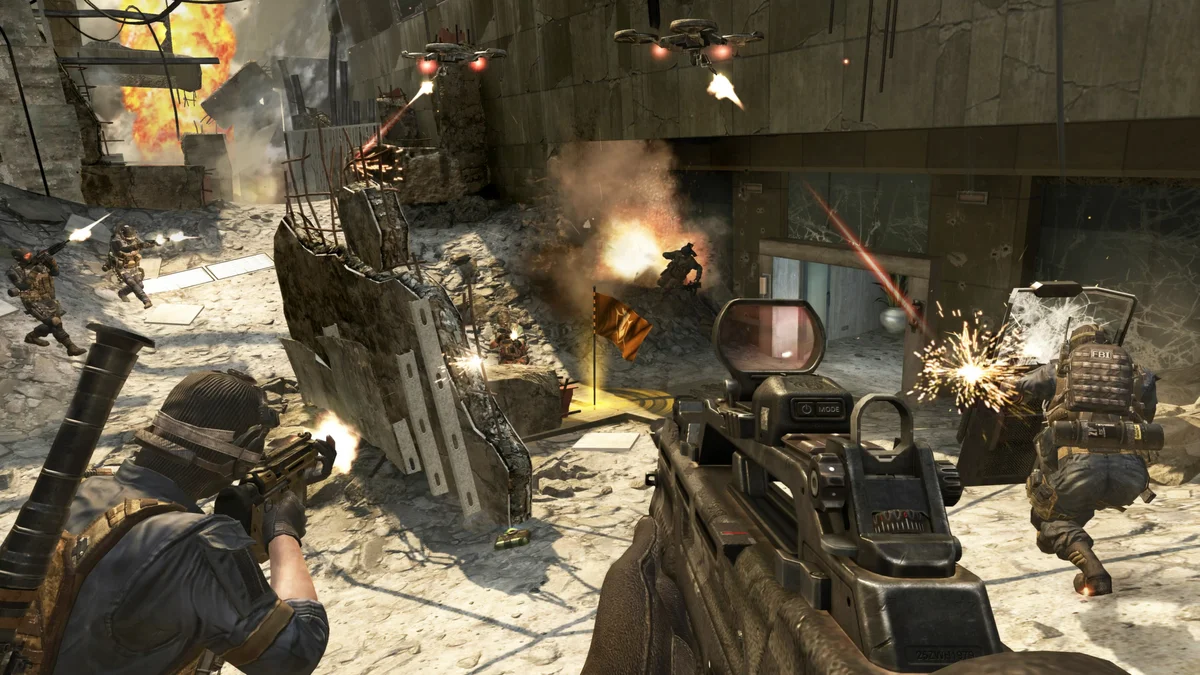
- 5. Call of Duty: Black Ops (2010): Treyarch’s Cold War breakout delivered an unforgettable map rotation (Nuketown, Firing Range, Summit), introduced COD Points earned strictly through gameplay to unlock gear in any order, and debuted the legendary Wager Matches playlist (Gun Game, One in the Chamber, Sticks and Stones).
- 4. Call of Duty: Modern Warfare (2019): Infinity Ward’s massive technological leap. Powered by a revamped engine with industry-leading weapon animations and audio design, it introduced the deep Gunsmith customization suite, unified cross-play, free post-launch maps, and the tight 2v2 Gunfight mode, while laying the groundwork for the Warzone ecosystem still evolving today.
- 3. Call of Duty: Black Ops II (2012): For competitive and esports purists, this is the undisputed pinnacle. By replacing rigid loadout slots with the Pick-10 create-a-class system, swapping Killstreaks for objective-driven Scorestreaks, launching League Play, and delivering immaculate three-lane maps like Raid, Standoff, and Slums, Treyarch crafted a competitive masterpiece.
- 2. Call of Duty: Modern Warfare 2 (2009): Pure, unfiltered blockbuster spectacle. By introducing customizable Killstreaks culminating in the match-ending 25-kill Tactical Nuke, upgradable Pro Perks, and a legendary map lineup (Terminal, Rust, Highrise, Favela), MW2 turned every public lobby into an unforgettable adrenaline rush.
- 1. Call of Duty 4: Modern Warfare (2007): The undisputed king. By leaving World War II behind and introducing custom loadouts (Create-a-Class), the three-perk structure, Prestige progression, and the iconic 3-5-7 killstreak chain (UAV, Airstrike, Helicopter) across timeless maps like Crash, Crossfire, Vacant, and Shipment, Call of Duty 4 wrote the blueprint for every modern console and PC shooter that followed.
What Modern Warfare 4 Must Learn From the Franchise Kings
Looking across all ten entries, one technical truth stands out: the games that endured for decades weren’t the ones with the most convoluted attachment menus, but the ones where map flow, spawn logic, and TTK clarity made every duel feel decisive.
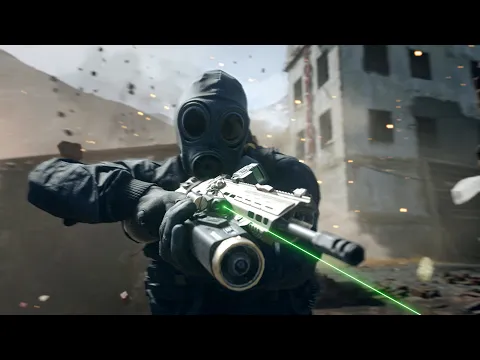
My Take (Heimdall’s Benchmark): when I look back at twenty years of Call of Duty netcode, recoil patterns, and map geometry, the dominance of Call of Duty 4, Modern Warfare 2, and Black Ops II has nothing to do with rose-tinted nostalgia. In Black Ops II, the Pick-10 economy forced meaningful trade-offs, unlike modern Gunsmith menus where stacking five attachments per weapon often blurs weapon identity. If Modern Warfare 4 wants to earn a seat beside those legends, its longer TTK and rotational aim assist tuning need to be paired with clean three-lane map sightlines rather than porous arenas with thirty window angles watching every street.

PC hardware enthusiast and competitive gamer, Arthur 'Heimdall' splits his time between France and the UK working in enterprise B2B software solutions. A business school graduate passionate about component benchmarking, he has been building, modding, and tuning PCs since childhood, optimizing every thermal degree and millisecond of display latency. An avid gamer across Assassin's Creed and sandbox titles, he forged his alliance with Grimtag and Chaya during late-night World of Warcraft raids before joining Pro-Gamer.