Throttling at 105°C and Capped at 35W: How a Graphene Sheet Boosted This Core Ultra 9 285H by 35%
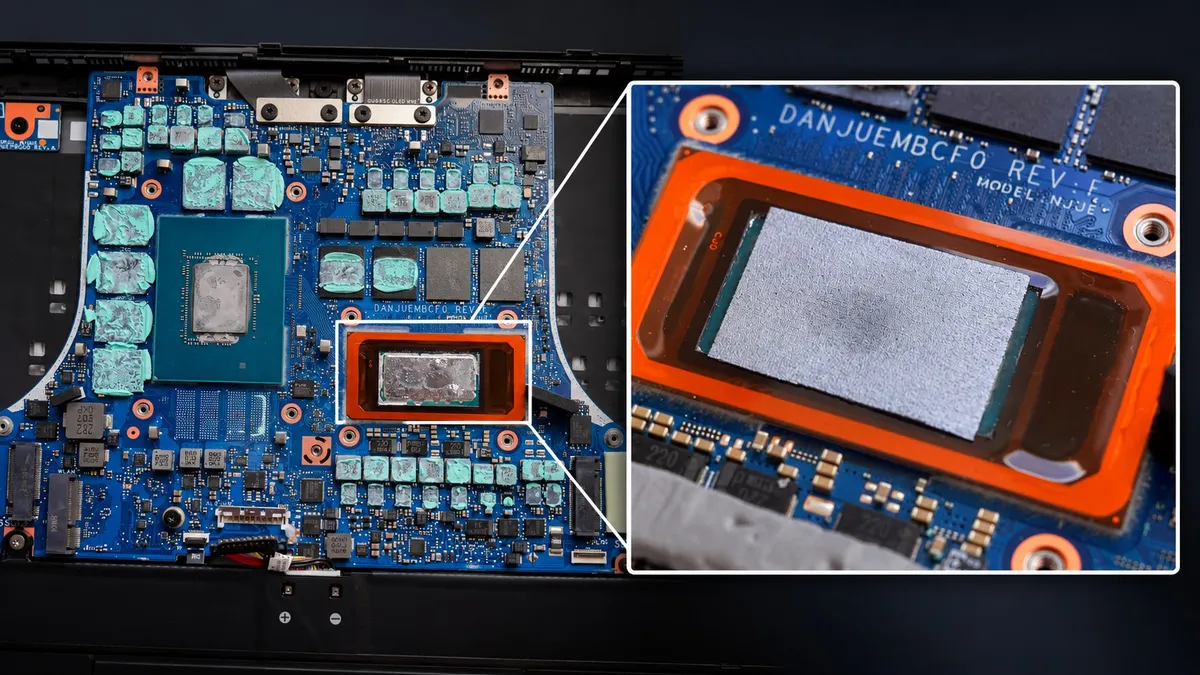
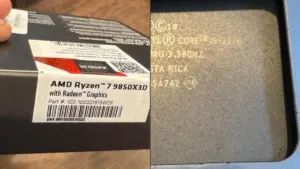
High-end gaming laptop CPU cooling frequently encounters severe engineering headaches in modern ultra-compact mobile chassis designs. On Reddit, enthusiast u/kiodrag documented an intensive troubleshooting process to rescue a gaming machine powered by Intel's flagship Core Ultra 9 285H processor based on Arrow Lake-H architecture.
During heavy gaming sessions and multi-threaded rendering, the mobile chip quickly reached its critical ceiling of 105°C. Aggressive thermal throttling slashed electrical power draw down to an alarming 35W, capping Cinebench multi-core scores at just 3,431 points despite factory-applied liquid metal.

A Custom 25x25 mm Graphene Thermal Sheet Replaces Liquid Metal
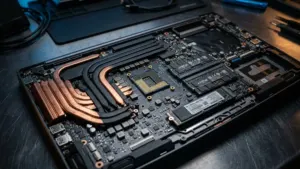
To eliminate this bottleneck, the owner fully disassembled the internal vapor chamber and heat pipe assembly. Technicians cleaned away every trace of the original compound before placing a custom 25x25 mm thermal graphene sheet across the silicon die.
High-performance thermal putty was simultaneously applied to surrounding power delivery stages and voltage regulators. This precise combination ensures balanced surface contact across motherboard components without requiring continuous mechanical re-tightening over time.
Unlike messy fluid thermal pastes, the two-dimensional carbon matrix transfers thermal energy across planar axes virtually instantaneously. This structural property eliminates micro-hotspots that frequently cause Intel Lion Cove performance cores and Skymont efficiency cores to downclock prematurely.
Explore Thermal Graphene Pads and Cooling Solutions on Amazon→
10°C Drop, Sustained 85W and a 35% Cinebench Score Boost
Diagnostic benchmarks following the modification reveal a dramatic turnaround in operating thermal headroom. Operating temperatures dropped by an average of 10°C, keeping the chip reliably below 100°C even under sustained multi-threaded torture tests.
Freed from aggressive thermal throttling, the Core Ultra 9 285H now maintains a stable 85W continuous power envelope during demanding rendering passes. Cinebench scores skyrocketed by 35% with 1,200 additional points, reflecting the performance stability observed on modern desktop processor platforms.
Beyond raw benchmark records, the dry graphene pad provides critical structural safety. It permanently eliminates risks of liquid metal runoff, pump-out degradation, or short-circuit damage caused by moving the laptop inside a backpack.
My Take
While gaming laptop manufacturers aggressively market factory liquid metal on commercial spec sheets, automated industrial assembly line application remains an unpredictable gamble that turns into a thermal bottleneck whenever contact pressure is uneven.
Seeing an accessible solid graphene pad deliver 35% higher Cinebench scores while removing any electrical hazard proves that advanced solid-state materials often outperform volatile liquid solutions in mobile computing form factors.

PC hardware enthusiast and competitive gamer, Arthur 'Heimdall' splits his time between France and the UK working in enterprise B2B software solutions. A business school graduate passionate about component benchmarking, he has been building, modding, and tuning PCs since childhood, optimizing every thermal degree and millisecond of display latency. An avid gamer across Assassin's Creed and sandbox titles, he forged his alliance with Grimtag and Chaya during late-night World of Warcraft raids before joining Pro-Gamer.