Sleeping While an AI Clone Streams 24/7: The Rise of Automated Broadcasts on Kick and Twitch
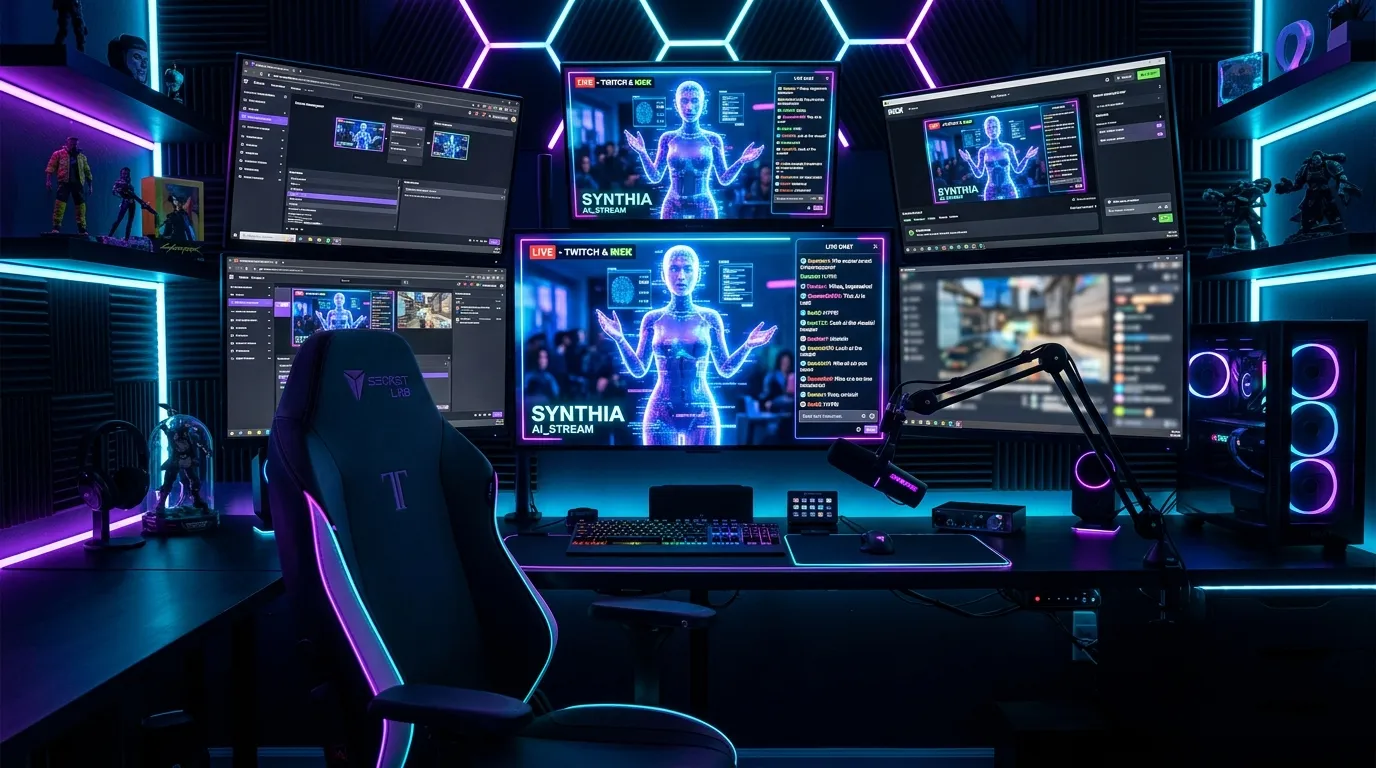
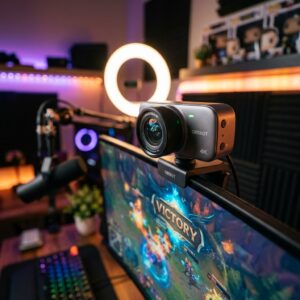
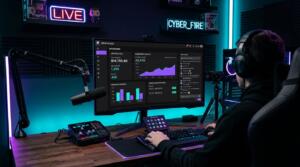
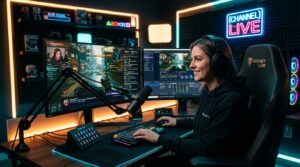
A solitary monitor glows in a darkened room. On camera, a streamer casually shares gaming stories, reacts to incoming chat messages, and thanks new subscribers with an impeccably timed smile.
In reality, that creator has been fast asleep in bed for five hours. On Kick and TikTok Live, a synthetic double keeps the broadcast alive without displaying a single ounce of exhaustion.
What initially sounded like a fringe tech experiment has turned into a booming underground industry. Automated AI broadcasts are challenging the fundamentals of livestreaming and reshaping how audiences interact with creators.
The Chinese Origin: How Digital Humans Took Over E-Commerce
To grasp how this automated broadcasting wave reached Western platforms, we have to look at China. Across Douyin and Taobao, "digital humans" have become a standard fixture of online retail over the past few years.
Tech giants like Tencent and Baidu heavily industrialized the creation of synthetic presenters. A few minutes of reference footage and a short audio sample are now enough to train a virtual clone with striking realism.
The Chinese business model centers entirely on non-stop sales. Why pay multiple human hosts when an algorithmic replica can pitch mechanical keyboards and cosmetics around the clock without ever needing a break?
These retail streams operate without labor constraints or fatigue. Given their massive profitability, exporting the concept to Western entertainment platforms was only a matter of time.
Generation tools democratized at an astonishing rate. Setups that once demanded dedicated render farms can now easily run on a mid-range gaming desktop equipped with modern graphics hardware.
The Western Spillover: Grinding Broadcast Hours on Kick and TikTok
Once imported to Western platforms, this technology quickly appealed to creators chasing passive revenue streams. The sleep-streaming trend transformed into an automated money-making operation.
On Kick, the platform creator incentive program heavily rewards raw broadcast volume and viewer engagement. Combined with an aggressive 95/5 subscription revenue split, these incentives pushed some broadcasters to keep their channels live all night long.
Rather than simply resting in front of an idle camera, streamers deploy synthetic avatars. The clone thanks gifters, reads chat prompts, and creates the illusion of an endless marathon stream.
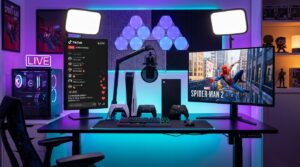
On TikTok Live, the format surged due to fast vertical feeds where viewers scroll through content rapidly. For creators already familiar with how to stream on TikTok from a gaming console, turning an idle channel into an automated revenue loop proved remarkably tempting.
Viewers stumble into these rooms through recommendation algorithms. Many watch for several minutes before realizing that the person talking to them is entirely generated by computer code.
The Neuro-sama Case: Technical Innovation Versus Pure Greed
Lumping all artificial intelligence projects together would be a serious mistake. The livestreaming space also hosts groundbreaking efforts where genuine creativity and programming skill take center stage.
The standout example remains Neuro-sama, the fully autonomous AI VTuber created on Twitch by British developer Vedal. Driven by a custom large language model, Neuro-sama never pretends to be human.
She plays rhythm games like Osu! and navigates Minecraft through computer vision systems. Her sharp humor, unexpected comedic timing, and chaotic banter with human creators have attracted hundreds of thousands of dedicated fans.
The difference here lies in complete transparency. Fans tune in specifically to witness an engineering achievement, laughing at algorithmic mistakes rather than being tricked by a sleep-streaming cash grab.
The contrast with passive sleep-streaming clones is striking. On one side stands a genuine creative project pushing technical frontiers; on the other sits a cynical copy-paste script designed solely to harvest subscriptions while the owner sleeps.
Inside the Tech Pipeline: How Ghost Streams Actually Work
Building an automated livestreaming setup no longer requires a software engineering degree. Consumer-grade generative tools can now be linked together in an afternoon.
The voice layer typically relies on tools like ElevenLabs. A short audio recording produces a voice model capable of reading incoming sentences with convincing inflection and cadence.
The visual animation layer uses platforms such as HeyGen or D-ID alongside real-time lip-sync algorithms. These tools animate a short video loop of the creator, aligning mouth movements with synthesized speech output.
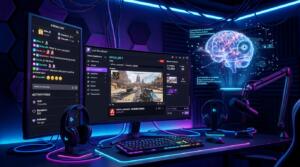
Finally, the setup connects directly to the platform IRC chat. A language model monitors viewer comments, filters appropriate prompts, and generates live replies that feed back into the audio engine.
The streamer sends this composite feed into OBS Studio as a virtual webcam before heading to bed. This automated pipeline echoes ongoing debates surrounding the lucrative split between Twitch and Kick, where audience monetization continually clashes with platform rules.
The Broken Social Contract and Platform Crackdowns
This monetization shortcut creates a deep ethical conflict. Livestreaming thrives on an unwritten covenant: a real human is sharing their immediate time, passion, and energy with a live community.
Replacing that presence with an autonomous script to collect subscriptions undermines genuine creator support. Viewers who donate expect to back an actual person, not an automated server routine.
Major platforms have started tightening their policies in response to audience complaints. YouTube and TikTok now enforce strict synthetic media disclosures on any content generated through artificial intelligence.
Broadcasters who fail to label their AI clones risk demonetization or permanent account suspensions for spam and deceptive behavior. Meanwhile, Kick updated its community standards to prohibit non-consensual deepfakes and artificial engagement manipulation.
These policy enforcements underline a fundamental truth: live monetization cannot endure on the false pretense of a human presence that clocked out hours ago.
My Take on What Lies Ahead: Why Empty Shells Always Fail
Streaming has always drawn its magic from raw, unscripted moments. People watch broadcasts to witness a triumphant tournament clutch, a burst of genuine laughter, or honest frustration during a brutal gaming session.
An algorithm can recite usernames, quote game lore, and mimic a smile. It cannot experience excitement, relief, or heartbreak.
While novelty will always draw initial curiosity, viewers quickly tire of hollow interactions. Long-term communities form around human flaws and shared passions that synthetic routines cannot replicate.
Generative tools will continue to assist creators behind the scenes. But those attempting to outsource their presence while they sleep will soon discover a simple reality: in live entertainment, audiences will always demand authentic humans.

SEO consultant for over 20 years and digital entrepreneur, Charles 'Grimtag' Ronchain is the founder of Pro-Gamer.gg, Retrocharting.com, and Gamescharting.com. A competitive gamer, streamer, and retro game collector, he has worked in the video game industry for over 15 years, notably as a consultant for leading game price comparison platforms. Passionate about real-time performance data and gaming technology, he analyzes competitive esports, gaming hardware benchmarks, and creator workflows on Pro-Gamer.gg with an authentic player perspective.