GeForce RTX 5070 Up 44% in Four Months in Japan: NVIDIA's Mid-Range GPU Now Sells Above $1,000
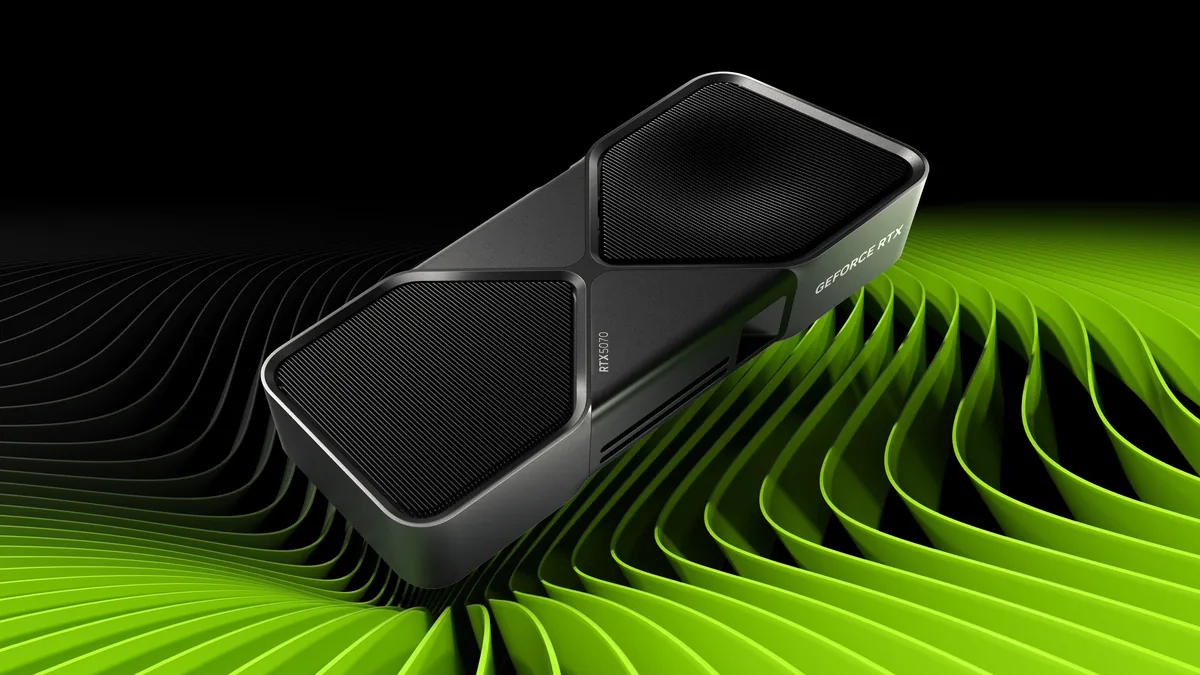
Mid-range PC graphics pricing is slipping out of reach fast. In Japan, the lowest retail listing for an NVIDIA GeForce RTX 5070 (12GB GDDR7) climbed 44% in just four months, rising from 103,800 yen in late July to 149,800 yen on November 24, 2026. That figure only represents the cheapest barebones model left on the shelf: across mainstream Japanese retailers, most custom cards now sell well past the $1,000 mark.
A 46,000-Yen Surge in Four Months Across Japanese Retail
Price tracking from Kakaku.com and major Japanese PC stores paints a stark picture. When the GeForce RTX 5070 originally launched in March 2025, NVIDIA set its baseline pricing at $549 in North America and roughly 108,800 yen in Japan (649 euros in Europe). By midsummer 2026, street pricing had even dipped slightly below launch levels, hitting a low of 103,800 yen (about $651) on July 28, 2026.
Four months later, as of November 24, 2026, the single cheapest RTX 5070 available in Japan costs 149,800 yen (around $940). That marks a jump of 46,000 yen on entry-level SKUs alone. Look past the lone floor listing toward regular board-partner cards from MSI, ASUS, and Gigabyte on Amazon Japan and local storefronts, and prices routinely land between 170,000 yen and 200,000 yen, roughly $1,070 to $1,250. In practical terms, a 12GB mid-range GPU is now trading above the original $999 launch MSRP of the 16GB GeForce RTX 5080 Founders Edition.
US and European Retailers Hit the Exact Same Wall
Japan is not an outlier. Late-November 2026 checks across North America and Europe confirm that the same markup wave has erased summer pricing everywhere.
| Region / Benchmark | Original Launch MSRP (March 2025) | Summer 2026 Low | Street Price (Late Nov 2026) |
|---|---|---|---|
| Japan (Kakaku.com Floor) | 108,800 JPY | 103,800 JPY (~$651) | 149,800 JPY (~$940) |
| Japan (Mainstream AIB Cards) | 108,800 JPY+ | 110,000 to 125,000 JPY | 170,000 to 200,000 JPY (~$1,070 to $1,250) |
| United States (Amazon / Newegg) | $549 | ~$599 to $649 | $899 floor ($930 to $1,010+ custom) |
| Germany (Geizhals.de) | 649 EUR | ~600 EUR (Aug 2026) | 849 EUR floor (880 to 960 EUR custom) |
| France (Major Retail / EU) | 649 EUR | ~620 to 660 EUR | 850 to 950 EUR floor (1,050 to 1,170 EUR custom) |
In the United States, finding a brand-new RTX 5070 below $900 is now a stretch. On Amazon US, the lowest-priced listing is the MSI GeForce RTX 5070 12G Ventus 2X OC at $899, while Newegg bottoms out at $899 for the GIGABYTE GeForce RTX 5070 WindForce. Better-cooled triple-fan variants quickly push between $930 and $1,010+, echoing the earlier surge that saw the GeForce RTX 5070 Ti double in retail price to $1,499.
In Germany, Geizhals.de lists the Gainward GeForce RTX 5070 as the cheapest entry point at 849 euros (around $928), with most standard custom cards sitting between 880 and 960 euros. Its three-month price chart shows the exact same card selling around 600 euros back in late summer, a 41% jump in one quarter. Across France, retail shelves show a similar pattern, with entry models starting near 850 to 950 euros and flagship partner cards crossing 1,050 to 1,170 euros.
Why Relief Looks Unlikely Before the Second Half of 2027
The sharp climb since late July ties directly into a shrinking consumer pipeline. As we reported regarding NVIDIA's reported 20% to 30% supply cuts across GeForce RTX 50 allocations, manufacturing capacity and advanced packaging continue to flow toward data-center AI hardware. Taiwanese server ODMs report lead times of 26 to 40 weeks on fresh B300 AI accelerator orders, leaving GeForce production firmly in the back seat.
Memory costs are pouring fuel on the fire. DRAM suppliers are prioritizing high-margin HBM and server modules over consumer GDDR7 chips, tightening VRAM availability and driving up bill-of-materials costs for every board partner. Supply-chain estimates currently suggest consumer GPU wafer allocations will not meaningfully recover until the second half of 2027 at the earliest, leaving buyers facing tight stock well into next year.
My Test Bench
Paying $900 to $1,100 for a 12GB VRAM graphics card in late 2026 breaks the entire value equation of PC gaming. When the RTX 5070 sat near $600 or 600 euros this summer, it made sense as a clean 1440p card with strong DLSS performance. At nearly double its original $549 launch target, you are paying flagship money for a 192-bit memory bus and a 12GB buffer that already feels tight in heavy ray-traced games. If your current GPU still runs what you play, I would hold off, check competing cards with more VRAM, or watch the used market rather than rewarding this kind of retail markup.

PC hardware enthusiast and competitive gamer, Arthur 'Heimdall' splits his time between France and the UK working in enterprise B2B software solutions. A business school graduate passionate about component benchmarking, he has been building, modding, and tuning PCs since childhood, optimizing every thermal degree and millisecond of display latency. An avid gamer across Assassin's Creed and sandbox titles, he forged his alliance with Grimtag and Chaya during late-night World of Warcraft raids before joining Pro-Gamer.