"Hawks Flying in Formation": Federal Judge Rejects Samsung, SK Hynix, and Micron Motion to Dismiss the DRAM Price-Fixing Lawsuit
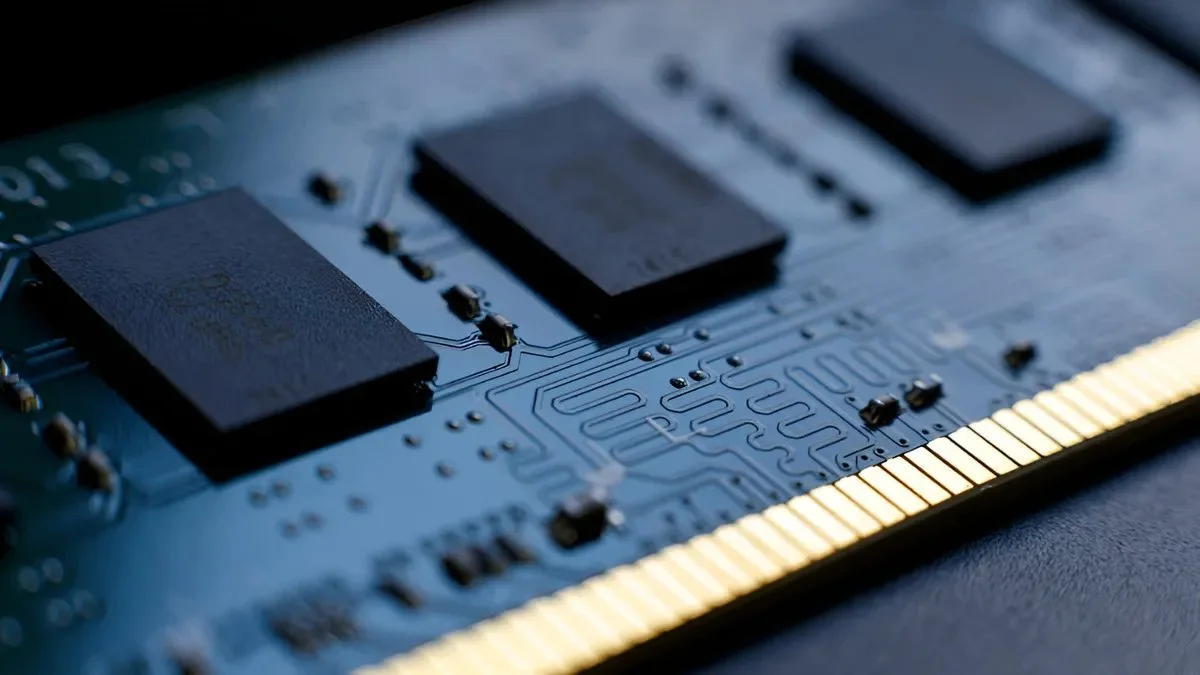
An attempt by the world's three largest memory semiconductor manufacturers to shut down a high-stakes U.S. price-fixing class action before opening their internal books has hit a federal wall. In an order issued on November 14, 2026, in the U.S. District Court for the Northern District of California (San Jose Division), U.S. District Judge Noël Wise denied in full a joint motion to dismiss filed by Samsung Electronics, SK Hynix, and Micron Technology. Targeted in Garciaguirre et al. v. Samsung Electronics Co., Ltd. et al. (Case No. 5:26-cv-06345), the three memory giants, which collectively control between 91% and 96% of global DRAM revenue, must now face formal discovery.
"Hawks Flying in Formation": Judge Noël Wise Rejects the Oligopoly Defense
Filed on June 25, 2026, by 17 named plaintiffs, comprising 14 individual consumers and 3 small PC integration businesses represented by antitrust law firm Bathaee Dunne LLP (attorneys Yavar Bathaee and Edward Grauman), the class action accuses the memory triopoly of violating Section 1 of the Sherman Antitrust Act. According to the complaint, Samsung, SK Hynix, and Micron orchestrated synchronized production cuts across conventional commodity memory (DDR4, DDR5, and LPDDR5) starting in late 2022, starving retail and OEM channels to drive DRAM chip contract prices up by 500% to nearly 700% over an 18-month span.
In their joint motion to dismiss, defense counsel for the three chipmakers advanced two primary arguments. First, they characterized the 2026 lawsuit as an impermissible "rerun" of earlier DRAM antitrust litigation covering 2016-2018 supply restrictions, which had previously been dismissed. Second, they contended that parallel output reductions were merely independent, rational business decisions in a tightly concentrated oligopoly where rival executives naturally watch one another "like hawks."
Judge Noël Wise dismantled that framing with a sharp rebuke that immediately reverberated across the hardware industry. Writing that the plaintiffs had presented plausible evidence of coordinated supply restraint rather than mere conscious parallelism, Judge Wise noted that the defendants' synchronized cutbacks looked "more akin to hawks flying in formation, an activity that hawks ordinarily do not do."
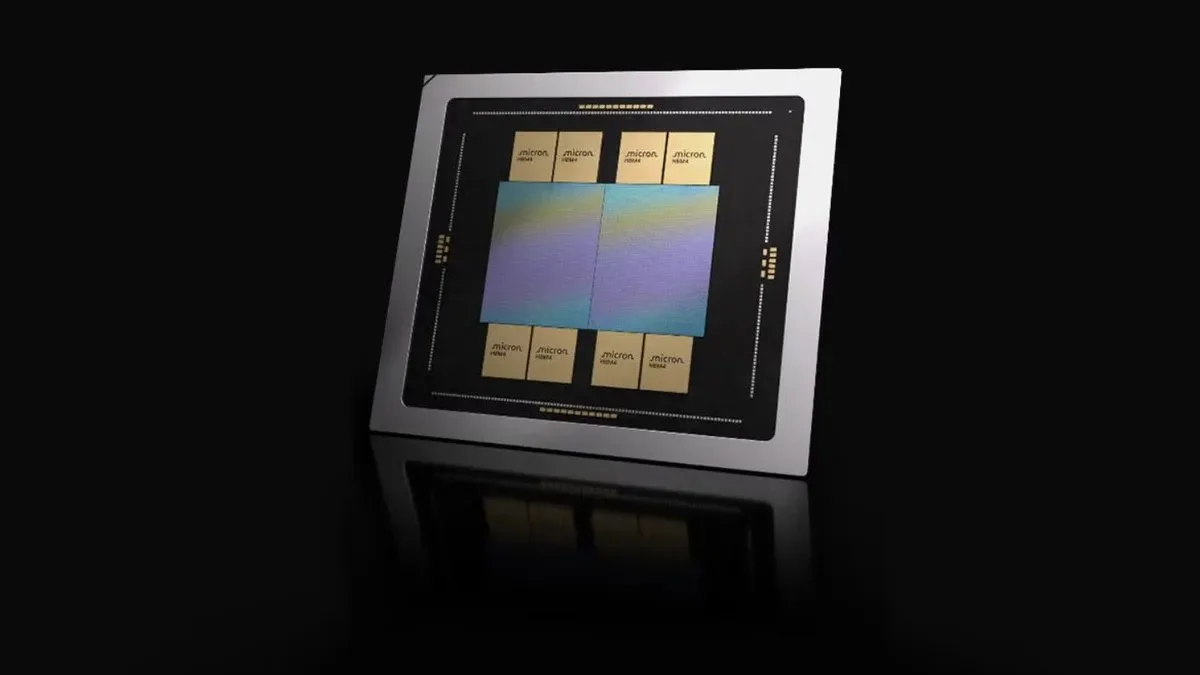
How the HBM AI Pivot Became a Pretext to Squeeze Consumer DDR5 Supply
Crucially, Judge Wise ruled that the 2026 complaint introduces distinct factual patterns that separate it from the dismissed 2018 litigation. The lawsuit details how Samsung, SK Hynix, and Micron leveraged the datacenter AI boom to simultaneously divert cleanroom wafer capacity toward high-margin High-Bandwidth Memory (HBM3 and HBM3E), knowing that each bit of stacked HBM consumes roughly three times the silicon wafer area of standard DDR5.
Beyond the wafer shift itself, the court highlighted several concrete "plus factors" pointing toward collusion: the simultaneous rollout of strict customer-vetting audits to prevent PC builders and module makers from stockpiling inventory, coordinated refusals to sign long-term supply agreements, parallel wind-downs of legacy DDR4 lines, and public signaling during quarterly earnings calls pledging mutual "capital expenditure discipline." This structural supply choke directly mirrors TeamGroup CEO Gerry Chen's warning over the 2027 DDR5 inventory drought, which has left consumer module brands fighting over shrinking wafer allocations.
| Case Parameter / DRAM Market Metric | Verified Court Record & Industry Data |
|---|---|
| Case Caption & Docket | Garciaguirre et al. v. Samsung Electronics Co., Ltd. et al. (Case No. 5:26-cv-06345) |
| Court & Presiding Judge | U.S. District Court, Northern District of California (Judge Noël Wise) |
| Global DRAM Market Share | Samsung (~42.5%), SK Hynix (~34.0%), Micron (~19.5%) - Combined ~96% share |
| Alleged Commodity DRAM Surge | +500% to +700% price increase across conventional DDR4/DDR5 over 18 months |
| November 14, 2026 Order | Defendants' Joint Motion to Dismiss denied in full |
| Next Mandatory Deadlines | Formal Answer due December 7, 2026; Case Management Conference on January 12, 2027 |
Internal Emails Headed for Discovery Ahead of the December 7 Deadline
While a pleading-stage denial does not constitute a final verdict of liability, moving into formal discovery is the scenario semiconductor executives dread most. Judge Wise ordered Samsung, SK Hynix, and Micron to file their formal answer to the complaint by December 7, 2026, and scheduled an initial case management conference for January 12, 2027.
During discovery, plaintiff attorneys will hold subpoena power to compel internal executive emails, wafer allocation spreadsheets, strategic memos, and communications between the three manufacturers. For PC builders currently fine-tuning high-density memory kits, even as motherboard vendors roll out AMD's AGESA 1.3.0.1f Patch A update for AM5 DDR5 memory training, the threat of treble damages under federal antitrust law puts real legal pressure on the triopoly's supply management heading into 2027.
My Take on the Spec Sheet
When three fabs controlling 96% of global DRAM wafer capacity simultaneously slash DDR4 and DDR5 output, audit module partners to block inventory buffering, and cancel long-term supply contracts, calling it pure coincidence in federal court was always a bold gamble. Judge Noël Wise's "hawks flying in formation" line hits right where it hurts: discovery. The last thing Samsung, SK Hynix, and Micron want is handing over internal emails detailing how they balanced HBM3E margins against artificial DDR5 scarcity. This ruling will not slash 32GB CL30 kit prices overnight, but the prospect of Sherman Act treble damages has historically been the only lever strong enough to break memory supply discipline.

PC hardware enthusiast and competitive gamer, Arthur 'Heimdall' splits his time between France and the UK working in enterprise B2B software solutions. A business school graduate passionate about component benchmarking, he has been building, modding, and tuning PCs since childhood, optimizing every thermal degree and millisecond of display latency. An avid gamer across Assassin's Creed and sandbox titles, he forged his alliance with Grimtag and Chaya during late-night World of Warcraft raids before joining Pro-Gamer.