4x Smaller Feature Grid and DLSS 4 Included: What the Dumped Switch 2 T239 GPU Models Reveal
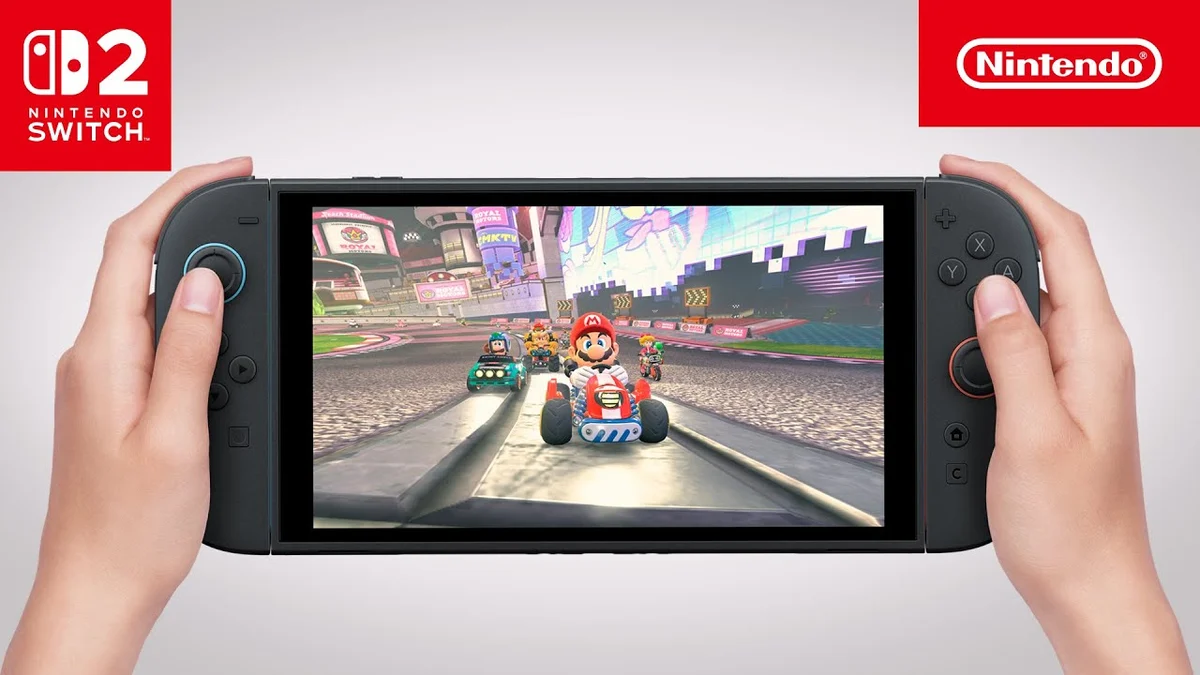
Just hours after the release of the kaiHEN custom firmware and OunceBrew toolchain on Nintendo Switch 2, direct access to the console's internal system partitions is already yielding major hardware revelations. Security researcher and developer Eren Doğan (known online as kurumuz) has extracted and analyzed the NVIDIA DLSS model binaries shipped with the hybrid system, uncovering how NVIDIA and Nintendo engineered AI upscaling for the custom Tegra T239 processor.
Desktop Weight Parity and First-Generation DLSS 4 Transformer Support (Preset K)
Contrary to early assumptions that the handheld might rely solely on stripped-down mobile algorithms, the extracted system files confirm that the Nintendo Switch 2 ships with the exact same baseline model weights found in desktop NVIDIA DLSS builds. The default configuration mappings inside the binaries mirror standard GeForce RTX desktop behavior across multiple quality tiers:
- Preset E (Standard CNN model): Mapped as the recommended default for Quality, Balanced, and Performance modes.
- Preset F (Standard CNN model): Assigned by default to native anti-aliasing (DLAA) and Ultra Performance mode.
- Preset K (DLSS 4 Transformer architecture): Assigned to Ultra Quality mode, proving that the Switch 2 includes the first-generation Transformer model introduced with DLSS 4, while newer iterations from the DLSS 4.5 branch remain absent from the firmware dump.
Having access to full desktop weights allows developers to achieve high temporal stability when targeting modest output resolutions, though executing heavier neural networks places a noticeable compute load on the T239 SoC's Tensor Cores.
Custom Presets H and I: Exclusive CNN Profiles Processing a 4x Smaller Feature Grid
The standout discovery inside Eren Doğan's dump is the presence of two undocumented profiles exclusive to the console: Preset H and Preset I. In NVIDIA's official desktop NGX programming guides, slots H and I do not function as independent models and are listed only as reserved placeholders that fall back to default behavior. On the Nintendo Switch 2, however, both slots house active, custom-tuned models designed specifically for portable and docked power budgets.
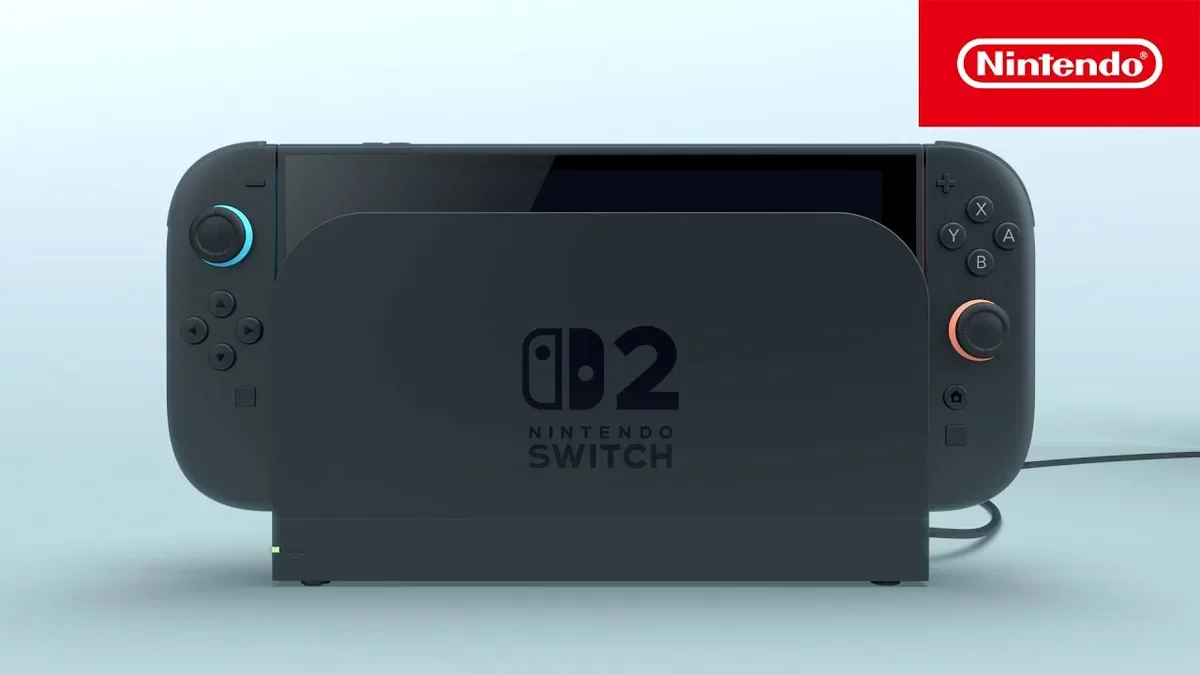
According to Doğan's breakdown of the extracted weights, Presets H and I utilize Convolutional Neural Network (CNN) structures matching the file size of standard desktop models, but they are modified to process a four-times-smaller feature grid. This architectural shortcut explains the two distinct tiers of DLSS observed across Switch 2 titles since launch, often referred to as "DLSS Lite" or "Tiny DLSS":
- Drastically Reduced Frame-Time Overhead: Shrinking the internal feature grid by a factor of four slashes the matrix math workload and relieves pressure on the console's LPDDR5X memory bandwidth, helping games hit 60 FPS within strict portable thermal limits.
- Feasible 1440p and 4K Docked Targets: Because DLSS execution time scales with output resolution, running a desktop CNN or Transformer profile at 4K can consume too many milliseconds per frame on a mobile SoC. Presets H and I make 1440p and 4K docked outputs practical without starving the rest of the rendering pipeline.
- Motion Stability Trade-Offs: Operating on a quarter-sized feature grid maintains sharp reconstruction in static scenes and moderate camera pans, at the cost of slight temporal shimmering or brief disocclusion artifacts during rapid camera cuts.

My Take on the Spec Sheet
Seeing the raw model weights extracted by Eren Doğan finally puts hard numbers behind the dual-tier upscaling behavior we have seen on the Nintendo Switch 2. Bundling the first-generation DLSS 4 Transformer model (Preset K) alongside two custom CNN presets running a 4x smaller feature grid (Presets H and I) gives studios a remarkably flexible toolkit on the Tegra T239. On a low-wattage hybrid chip, running a full desktop neural grid at 4K 60 FPS would eat up far too much frame time. Cutting the internal feature grid density by four instead of gutting the network depth is a clever engineering trade-off that lets developers pick between full desktop temporal stability at 1080p and ultra-fast 4K reconstruction on a living room TV.

PC hardware enthusiast and competitive gamer, Arthur 'Heimdall' splits his time between France and the UK working in enterprise B2B software solutions. A business school graduate passionate about component benchmarking, he has been building, modding, and tuning PCs since childhood, optimizing every thermal degree and millisecond of display latency. An avid gamer across Assassin's Creed and sandbox titles, he forged his alliance with Grimtag and Chaya during late-night World of Warcraft raids before joining Pro-Gamer.