Sony, FromSoftware, and Kadokawa: Shawn Layden Explains the Three-Way Rights Gridlock Holding Back Bloodborne 2
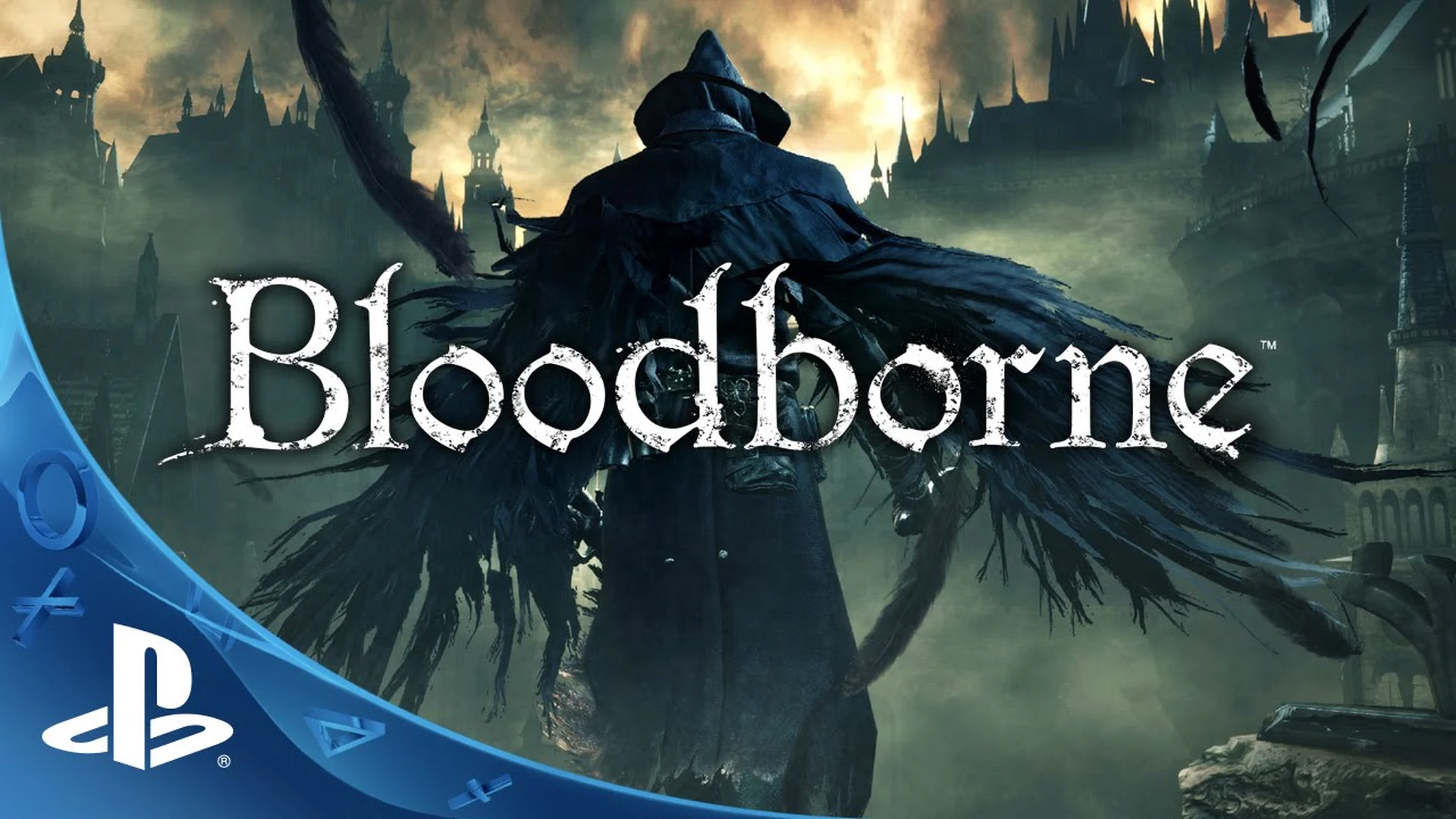
Eleven years after players first stepped onto the cursed cobblestones of Yharnam, the exact same question still haunts every PlayStation showcase: why has Bloodborne never received a sequel, a remake, or even a basic 60 FPS patch on PS5? Speaking on the latest episode of The Trophy Room podcast, former SIE Worldwide Studios chairman Shawn Layden pulled back the curtain on the real obstacles keeping the franchise dormant.
Contrary to popular belief, the stalemate has nothing to do with a lack of commercial appetite. According to the executive who oversaw PlayStation's PS4 golden era, the true bottleneck is a complex web of legal and corporate sign-offs split across three separate companies.
A Three-Way Corporate Puzzle Between Sony, FromSoftware, and Kadokawa
When asked directly why PlayStation has never returned to the March 2015 gothic action-RPG, Shawn Layden first highlighted the daunting creative bar set by Hidetaka Miyazaki's team. "Can you do something that is not only respectful of the original, but can you recreate the phenomenon?" Layden asked, praising the lightning-in-a-bottle collaboration between Sony and FromSoftware during his tenure.
Beyond the creative pressure, however, Layden pointed to the contractual reality that fans rarely see: "There's a lot of involved rights associated with it. And something like that where Sony is in there, and [FromSoftware] is in there, and FROM's parent company [Kadokawa] is in there, I think just getting everyone to sign off on everything is probably the biggest challenge there."
Even though Sony owns the Bloodborne trademark and has deepened its equity ties with both Kadokawa Corporation and FromSoftware in recent years, greenlighting a new project or remaster still requires unanimous agreement across all three corporate boards regarding revenue splits, legacy source code originally co-managed with the now-shuttered Japan Studio, and production schedules.

Miyazaki's Packed Schedule vs. a 10.4-Million-Selling Phenomenon
Layden's legal breakdown fits seamlessly alongside the personal explanation previously shared by fellow PlayStation veteran Shuhei Yoshida. As Yoshida noted, director Hidetaka Miyazaki holds such a deep personal attachment to Bloodborne that he does not want another studio touching the IP without his direct involvement, yet his own schedule leaves zero room to look back.
For the past decade, FromSoftware has sprinted non-stop from Dark Souls III and Sekiro: Shadows Die Twice to the global juggernaut of Elden Ring (and Shadow of the Erdtree), while currently focusing on its upcoming multiplayer title The Duskbloods, slated for 2027 on Nintendo Switch 2.
Yet this boardroom gridlock has done nothing to slow down demand for the original game. As recent figures revealed that Bloodborne sold another 251,000 copies in 2026 alone to surpass 10.4 million lifetime sales, players continue flocking to Yharnam despite its 1080p and 30 FPS console lock. In the absence of official action, PC modders have taken preservation into their own hands, recently releasing the Hunter's Atlas overhaul that brings illustrated maps and direct lamp fast travel to Bloodborne on PC.
My Perspective
There is a bittersweet irony in watching a masterpiece about decaying institutions and bureaucratic dogma get trapped inside a real-world labyrinth of corporate paperwork between Tokyo and California. Every fan of FromSoftware understands why Hidetaka Miyazaki prefers forging new worlds over churning out sequels, and we owe masterpieces like Sekiro and Elden Ring to that creative restlessness.
Still, the fact that three-way contract friction between Sony, FromSoftware, and Kadokawa has prevented even a respectful 60 FPS preservation patch for eleven years feels like a genuine artistic shame. When dedicated fans end up rebuilding and modernizing a generational classic on PC themselves because three executive boards cannot align their signatures, it says everything about how fragile game preservation remains under corporate red tape.
Based on the outskirts of New York City, Chaya 'Chayane' spent five years studying software engineering in Montreal before returning to her home state. A Full-Stack developer and Deep Learning AI architecture researcher, she explores neural networks and algorithmic optimization while engineering data pipelines for Retrocharting and Gamescharting alongside Grimtag. A gamer for over 20 years and an avid collector of Nintendo history and The Legend of Zelda, she explored World of Warcraft's Azeroth before bringing her deep technical background to video game analysis.