$25 Billion on the Table: After Electronic Arts, Silver Lake and Saudi Arabia's PIF Eye a Full Unity Buyout
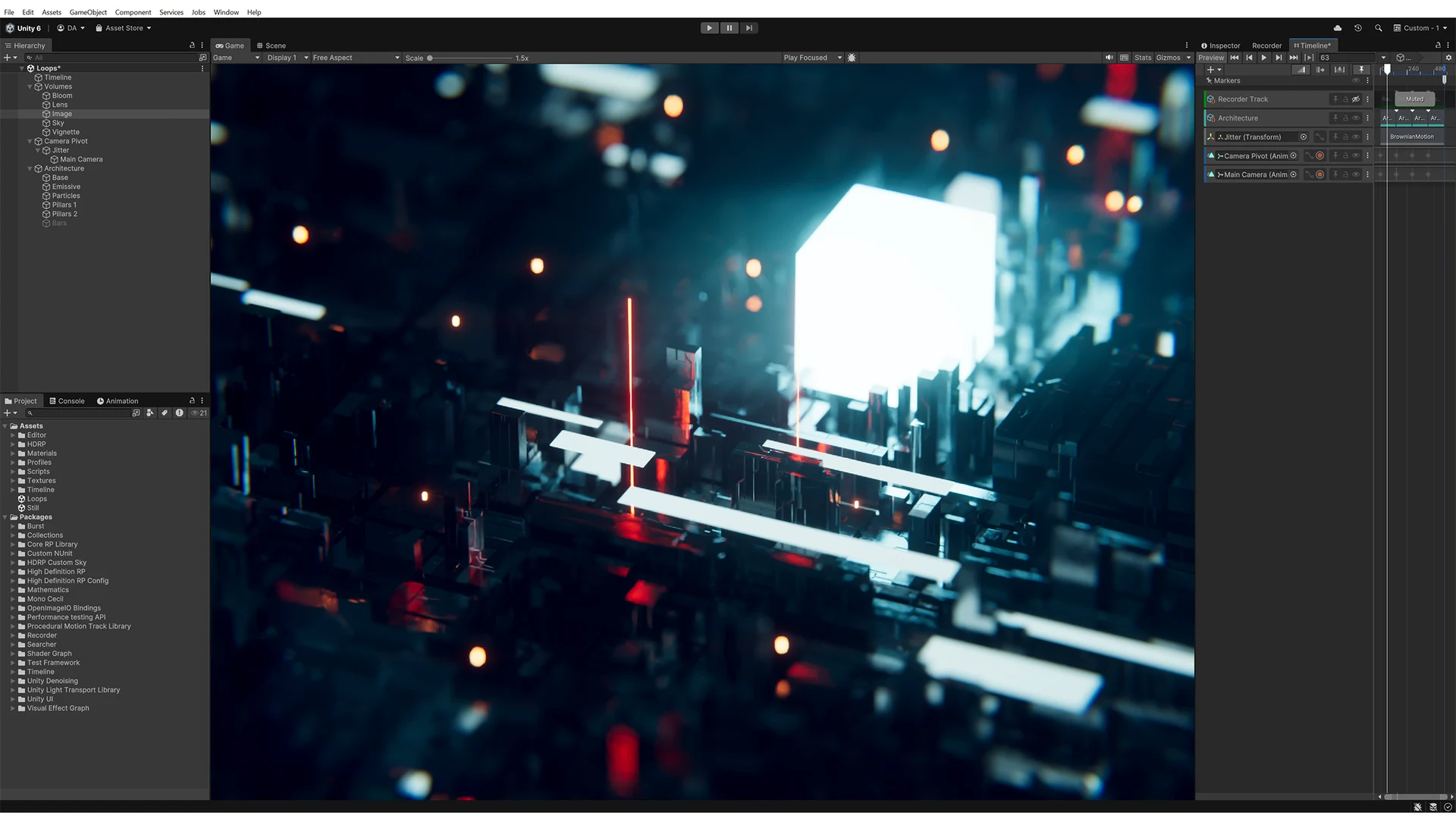
The financial consolidation sweeping the global video game industry has just locked onto a massive new target. According to an exclusive report by Reuters, Unity Software recently held buyout discussions with an investor consortium led by private equity giant Silver Lake Partners and Saudi Arabia's sovereign wealth fund, the Public Investment Fund (PIF).
The consortium's goal is straightforward: take the world's second-largest game engine provider private after six turbulent years on the New York Stock Exchange. A completed buyout would place the foundational toolset used by millions of developers directly in the hands of the exact same financial powerhouse that recently acquired Electronic Arts.
A Potential Valuation Near $25 Billion
According to sources familiar with the matter cited by Reuters, Silver Lake and the PIF approached Unity with a takeover proposal valuing the company at approximately $25 billion. Those discussions took place just prior to Unity's latest quarterly earnings release, which subsequently lifted the company's market capitalization to roughly $21.5 billion following an after-hours surge in its share price.
In response to the approach, Unity's board of directors has engaged an investment bank to evaluate its strategic options and review the consortium's interest. Sources cautioned that talks remain confidential and preliminary, meaning a final agreement is not guaranteed and financial terms could still shift.
Silver Lake is already deeply embedded within Unity's corporate structure. The private equity firm holds a roughly 8% stake in Unity dating back to a 2017 investment prior to the company's 2020 IPO, and Silver Lake Co-CEO Egon Durban currently holds a seat on Unity's board of directors.
From the Runtime Fee Backlash to Unity 6's Turnaround
The buyout interest arrives right as Unity emerges from a painful two-year restructuring cycle. After facing a global developer revolt in late 2023 over its ill-fated "Runtime Fee" per-install pricing scheme, the San Francisco company overhauled its leadership under CEO Matthew Bromberg, who took the helm in May 2024.
Over the past two years, Bromberg formally scrapped the Runtime Fee, laid off roughly 25% of the company's workforce to stabilize margins, and refocused engineering around the launch of Unity 6 alongside new cloud workflows such as its strategic partnership with Google on Playground. From indie breakouts to live-service giants, the engine currently powers more than half of all mobile, PC, and console games worldwide, including hits like Escape from Tarkov, Subnautica, Cities: Skylines II, and Cuphead.
The Electronic Arts Precedent and LBO Debt Concerns
For studios building their livelihoods on Unity, the identity of the prospective buyers raises immediate questions. Silver Lake Partners and Saudi Arabia's PIF (which also spearheads Savvy Games Group and holds major stakes in Nintendo and Take-Two) previously teamed up to orchestrate the landmark $55 billion take-private acquisition of Electronic Arts.
The human and creative toll of that leveraged buyout is still sending shockwaves through the industry. As recently demonstrated by Electronic Arts' restructuring under $18 billion in acquisition debt, private equity buyouts frequently bring aggressive cost-cutting targets and steeper monetization demands to service debt obligations.
My Take
Let's be real: watching Silver Lake and the PIF circle Unity with a $25 billion check is enough to give any PC or indie developer cold sweats. When a private equity consortium loads up a traditional publisher like EA with debt, it can shutter a legendary studio like BioWare to balance the spreadsheet; when you buy the underlying engine infrastructure powering half the industry, the temptation to squeeze subscription tiers or ad-network margins becomes almost automatic.
Matthew Bromberg spent the last two years putting out the fires of the Riccitiello era and restoring real engineering trust with Unity 6. If Unity goes private under this consortium, developers can only hope Riyadh and Silver Lake treat it as long-term strategic infrastructure rather than a leveraged cash cow, otherwise the mass migration toward Godot and Unreal Engine 5 will ignite all over again.

SEO consultant for over 20 years and digital entrepreneur, Charles "Grimtag" is the founder of Pro-Gamer.gg, Retrocharting.com, and Gamescharting.com. A competitive gamer, streamer, and retro game collector, he has worked in the video game industry for over 15 years, notably as a consultant for leading game price comparison platforms. Passionate about real-time performance data and gaming technology, he analyzes competitive esports, gaming hardware benchmarks, and creator workflows on Pro-Gamer.gg with an authentic player perspective.