After Star Fox and Ocarina of Time, Nintendo Puts Classic Remakes on Equal Footing With New Switch 2 Games
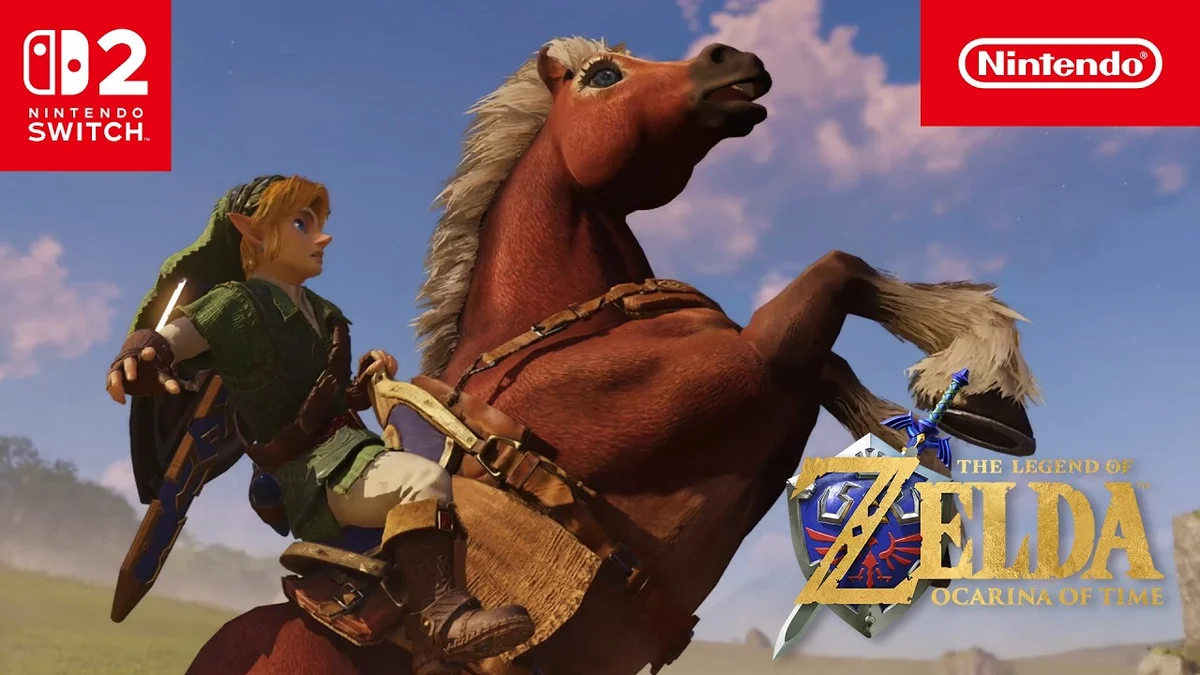
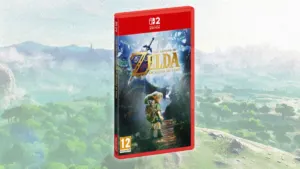
With the ground-up remake of The Legend of Zelda: Ocarina of Time officially landing on store shelves on November 5, 2026, Nintendo's software strategy for the Nintendo Switch 2 is showing a clear pattern. Within the span of five months, the Kyoto publisher has revived two cornerstone Nintendo 64 classics built specifically for its new hardware. Far from being a temporary stopgap to pad out the system's release calendar, full-scale remakes now sit on the exact same strategic tier as brand-new sequels.
"Equal Importance" Inside the Nintendo Stable
Speaking around the launch of Link's reimagined adventure, Nate Bihldorff, Senior Vice President of Product Development and Publishing at Nintendo of America, laid out how legacy revivals fit into the company's long-term pipeline. Rather than treating remakes as secondary side projects, Nintendo leadership views them as co-pillars alongside original productions.
"I do think that new games and remakes both have a place in the Nintendo stable, of equal importance, to be honest. There are fans of every single IP that we have out there. Of course, having new games in those series is wonderful, and I look forward to them as much as anyone else does, but there's also a deep satisfaction in revisiting games that were very, very special, like Ocarina of Time... But it's also important to think about how many people had never played the original, and for them, the remake of Ocarina of Time is going to be an absolutely brand-new, 2026 experience, and one that I just cannot wait for them to get their hands on."
The commercial numbers from the first half of the fiscal year back up that conviction. Released on June 25, 2026 in partnership with Velan Studios, the modern remake of Star Fox quickly gained traction: as confirmed in Nintendo's official Switch 2 million-seller report through September 30, 2026, Fox McCloud's rail-shooter revival has already sold 1.17 million copies worldwide, outpacing the lifetime total of Star Fox 64 3D on the Nintendo 3DS in just three months.
Bridging Generations and Training Kyoto's Next Creators
With an installed base that has already reached 26.35 million Nintendo Switch 2 units worldwide and 73.21 million software units sold, Nintendo is catering to millions of players who were not even born when Ocarina of Time debuted on the Nintendo 64 in November 1998. For those newcomers, stepping into a completely rebuilt Hyrule with modern lighting, reworked controls, and newly orchestrated arrangements feels every bit as fresh as playing 2026 originals like Splatoon Raiders (2.42 million units sold) or Fire Emblem: Fortune's Weave (1.34 million).
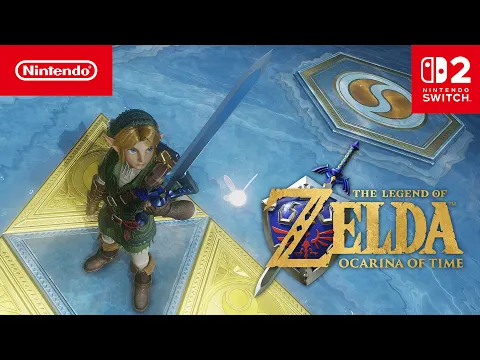
Beyond sales charts, these ground-up rebuilds also serve a vital internal purpose at Nintendo's Kyoto headquarters. As producer Eiji Aonuma recently detailed when discussing how young developers who never played the 1998 original helped build the Ocarina of Time remake inside EPD Group 3, tasking newer staff with modernizing a foundational masterpiece passes down core design philosophies before the team transitions to the next mainline 3D entry.
Why Majora's Mask and the N64 Vault Look Wide Open
While Bihldorff stopped short of naming the next classic slated for a modern overhaul, delivering two Nintendo 64 icons back to back in 2026 points toward an obvious follow-up. Because the custom engine, physics framework, and high-definition character assets built for Ocarina of Time are already running on Switch 2, a full remake of The Legend of Zelda: Majora's Mask has most of its technical foundation ready to go, mirroring how Nintendo paired both games during the 3DS era.
Putting remakes on equal footing with new IP also keeps the door open for other dormant Nintendo 64 and GameCube fan favorites. Whether Nintendo turns its attention to Super Mario 64, Wave Race, Kid Icarus: Uprising, or the Mother series, classic revivals are officially set to remain a permanent fixture of the Switch 2 calendar heading into 2027 and beyond.
My Perspective
Hearing Nintendo openly state that remakes carry the exact same weight as brand-new games is refreshing for its honesty, even if it sparks a familiar debate. When a studio pours the kind of craft into a rebuild that we just saw with Ocarina of Time, or brings Star Fox back to life with crisp controls, it is hard to complain with a controller in hand. Still, treating legacy revivals as frontline releases comes with a catch: charging a full $69.99 while leaving extras like Master Quest off the cartridge means players have every right to hold these projects to sky-high standards. If this pipeline delivers a jaw-dropping Majora's Mask remake in the next couple of years without slowing down bold new entries, Nintendo will have found the sweet spot.
Based on the outskirts of New York City, Chaya 'Chayane' spent five years studying software engineering in Montreal before returning to her home state. A Full-Stack developer and Deep Learning AI architecture researcher, she explores neural networks and algorithmic optimization while engineering data pipelines for Retrocharting and Gamescharting alongside Grimtag. A gamer for over 20 years and an avid collector of Nintendo history and The Legend of Zelda, she explored World of Warcraft's Azeroth before bringing her deep technical background to video game analysis.