Mario & Luigi: Brothership Hits a Locked 60 FPS on Nintendo Switch 2 Thanks to a New Homebrew Mod
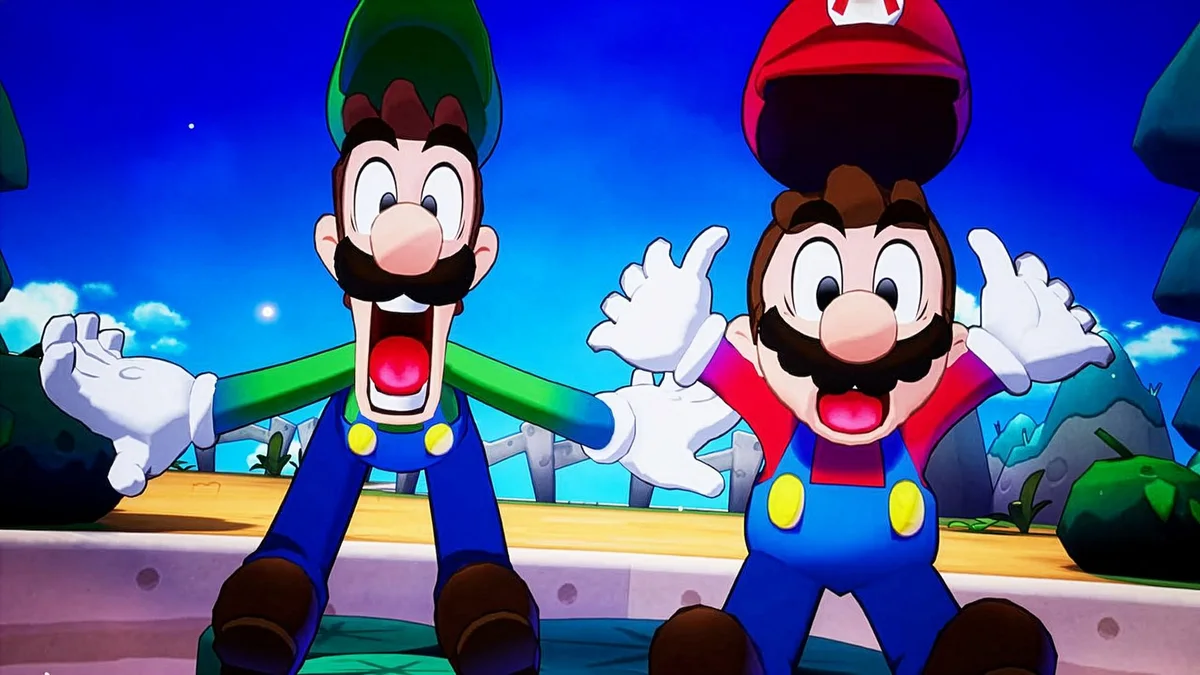
Released late in the original hybrid console's lifecycle with a strict 30 frames-per-second cap, Mario & Luigi: Brothership still hasn't received an official patch to take advantage of the Nintendo Switch 2 hardware. Now, the homebrew community has stepped in: new footage shared on November 4 proves that Acquire's RPG can run at a locked, native 60 FPS directly on Nintendo's current-generation system.
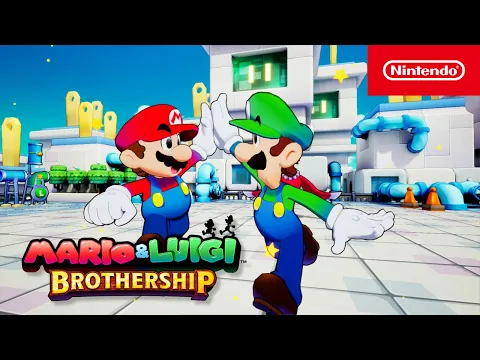
From a Struggling 30 FPS on Switch 1 to a Native 60 FPS on Switch 2
Modder PennyLoafer (@polioninferior on X) published a 2-minute and 42-second gameplay capture recorded directly from a modded Nintendo Switch 2. Launching the game right from the Switch 2 HOME Menu (where the title sits alongside Mario Kart World, Paper Mario: The Thousand-Year Door, and the SmileBASIC 4 app), the difference is immediate: sailing across Concordia and executing Bros. Attacks in battle now run at a silky-smooth 60 FPS without a single frame drop.
When it launched in November 2024 for $59.99 USD, the Acquire-developed RPG built on Unreal Engine 4 drew criticism for its technical compromises on the aging 2017 Tegra X1 chip. Unlike the crisp 60 FPS entries from the Game Boy Advance and Nintendo 3DS eras, Brothership was capped at 30 FPS and suffered from noticeable hitching across busy islands and multi-enemy encounters, occasionally throwing off the tight button-timing required for dodges and counterattacks.
By porting an existing 60 FPS framerate-unlock mod (originally created for overclocked first-generation Switch units and emulators) over to the Nintendo Switch 2, PennyLoafer showed that the new console's extra horsepower effortlessly powers through Unreal Engine 4's overhead. Celebrating the milestone, the modder noted that we are "very close to an amazing era of Nintendo Homebrew." However, PennyLoafer clarified that they cannot publicly distribute the files themselves, as they only ported an existing community mod to run on the new hardware.
Why Standard Backward Compatibility Still Caps Switch 1 Games on the Tegra T239
While an unlocked framerate patch might sound routine on PC, it highlights the biggest frustration currently facing Nintendo Switch 2 owners regarding backward compatibility. When booting an unpatched first-generation Switch game on the new console, the custom Nvidia Tegra T239 processor naturally irons out old framerate dips and speeds up loading times, but it still strictly obeys the original software's hard-coded framerate and resolution ceilings.
Although flagship titles like The Legend of Zelda: Breath of the Wild, Tears of the Kingdom, and the Xenoblade Chronicles trilogy received dedicated Switch 2 Edition upgrades with higher resolutions and framerates, dozens of late-era Switch exclusives remain stuck behind their original 30 FPS locks. Beyond Mario & Luigi: Brothership and Paper Mario: The Thousand-Year Door, action-heavy titles from PlatinumGames like Astral Chain and the dynamic resolution scaling in Bayonetta 3 stand out as prime candidates that could be transformed overnight by a simple cap removal.
Following the rapid wave of userland and system vulnerabilities uncovered in recent weeks, including the CivSwitch exploit on Nintendo Switch 2 firmware 23.0.1, homebrew developers are taking matters into their own hands. For players willing to modify their hardware, Switch 2 homebrew is effectively turning the system into the "Nintendo Switch Pro" that fans spent years asking for, unlocking the full potential of their backward-compatible library without waiting for official patches.
| Hardware Setup | Target Framerate | In-Game Performance (Unreal Engine 4) | Online & New Releases |
|---|---|---|---|
| Original Nintendo Switch (2017) | 30 FPS Locked | Frequent drops between 22 and 28 FPS on busy islands and in combat | Full Access |
| Switch 2 (Standard Backward Compatibility) | 30 FPS Locked | Stable 30 FPS, but software cap remains intact without an official patch | Full Access (Latest Firmware) |
| Switch 2 (60 FPS Homebrew Mod) | 60 FPS Unlocked | Locked native 60 FPS fluidity across exploration and Bros. Attacks | Restricted (Requires older firmware, high ban risk online) |
The Firmware Dilemma: Unlocking Legacy Games vs. Playing Upcoming Blockbusters
Despite the excitement surrounding these early breakthroughs, running custom mods on a Nintendo Switch 2 comes with a steep trade-off. Just like on previous consoles, executing unsigned code and injecting framerate patches requires keeping the system on specific vulnerable firmware versions before Nintendo patches the entry points.
Because major upcoming releases require the latest system firmware update to boot, owners face a tough choice. Keeping a Switch 2 offline on an older firmware to enjoy 60 FPS mods in legacy titles like Mario & Luigi: Brothership means sacrificing online services like GameChat, risking a permanent console ban from Nintendo Switch Online if telemetry is triggered, and locking yourself out of brand-new releases such as the highly anticipated The Legend of Zelda: Ocarina of Time remake.
My Perspective
Watching Mario & Luigi: Brothership finally run at 60 FPS on a Nintendo Switch 2 screen is equal parts thrilling and frustrating, mostly because the game deserved this level of responsiveness from day one. In a turn-based RPG where every single dodge, hammer counter, and Bros. Attack hinges on split-second rhythm timing, the original 30 FPS Unreal Engine 4 cap always felt sluggish compared to the snappy 60 FPS combat of the classic GBA and 3DS entries.
What PennyLoafer's footage proves above all else is that the game's engine doesn't even need a massive overhaul to double its framerate on Switch 2 hardware; it literally just needs the software limiter switched off. It makes sense that Nintendo saves its full-scale Switch 2 Edition re-releases for tentpole giants like Zelda, but leaving late-era gems like Brothership or Paper Mario: The Thousand-Year Door trapped at 30 FPS when a tiny, free configuration patch could transform them is practically begging the homebrew scene to do the job instead.
Based on the outskirts of New York City, Chaya 'Chayane' spent five years studying software engineering in Montreal before returning to her home state. A Full-Stack developer and Deep Learning AI architecture researcher, she explores neural networks and algorithmic optimization while engineering data pipelines for Retrocharting and Gamescharting alongside Grimtag. A gamer for over 20 years and an avid collector of Nintendo history and The Legend of Zelda, she explored World of Warcraft's Azeroth before bringing her deep technical background to video game analysis.