Itch.io Deletes "Terabytes of AI Slop" and Adds Search Filter After Daily Game Uploads Double in Two Months
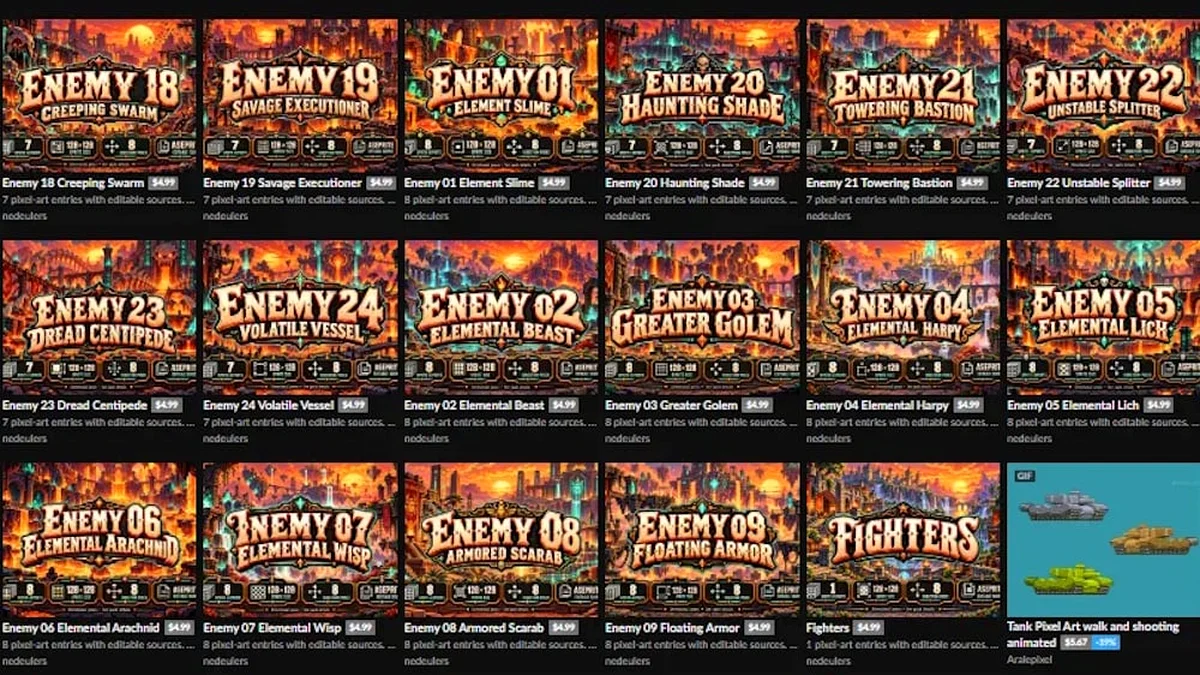
The flagship home of grassroots indie PC creation has reached its breaking point with automated spam. Following an unprecedented surge in machine-generated uploads over the past sixty days, indie marketplace itch.io rolled out a sweeping counteroffensive between November 1 and November 3, 2026: wiping several terabytes of low-effort files from its servers, deploying a "No AI" filter directly on its search results page, and expanding mandatory generative AI disclosures to physical tabletop games, books, comics, and soundtracks.
Daily Page Creations Doubled in Two Months as Servers Wipe Terabytes of Spam
The alarm bell rang on November 1, 2026, when itch.io shared an internal analytics chart on its official Bluesky account (@itch.io). The graph revealed that the number of daily game pages created on the storefront had doubled over the past two months, while actual player downloads and purchases remained completely flat. When a user asked in the replies what was driving such a massive spike in new listings, the storefront replied with three dry words: "Take a guess."
While community members quickly pointed to accounts flooding the marketplace with dozens of near-identical $4.99 pixel-art enemy packs, itch.io explained that traditional bulk spam accounts are already deindexed from search as soon as they are detected. Instead, the vertical surge on the chart is driven by a massive wave of first-time uploaders submitting their very first AI-generated project ("the increase in the graph is driven by first time uploaders, not bulk uploaders like this").
Built from day one to provide free, frictionless hosting for hobbyists, students, and game jam participants, itch.io now finds its infrastructure abused by users uploading bloated, poorly optimized machine-generated assets. Enforcing its terms of service against automated platform spam, the company confirmed it has already "deleted a couple terabytes of AI slop" from its servers.
New "No AI" Search Results Filter and Stricter Rules for Tabletop, Books, and Soundtracks
To prevent handcrafted indie projects from being buried under automated uploads, itch.io announced on November 3, 2026, that it has added generative AI disclosure filtering directly to its search results page ("including our search results page"), an area where filtering was previously missing. By toggling the exclusion filter or browsing via the dedicated no-ai tag, players can now strip all projects tagged with generative AI out of their search queries.
Alongside the search upgrade, the storefront is expanding its mandatory AI disclosure policy beyond video games and graphical asset packs (where tagging was first introduced in late 2024) to cover four major new categories:
- Physical tabletop games, including rulebooks, card decks, and tabletop RPG modules;
- Books and digital literature hosted on the platform;
- Comics and illustrated zines;
- Soundtracks and audio asset packs.
The platform's rule leaves no loophole for hybrid workflows: if generative AI tools were used at any point during creation, the project must be tagged accordingly, even if the creator manually edited or painted over the output afterward. Creators who fail to disclose AI usage or attempt to bypass the tag face immediate deindexing from the storefront's browse and search pages.
Discoverability Under Pressure Across the Entire PC Indie Scene
The crackdown on itch.io mirrors a broader discoverability crisis across PC digital storefronts. Just weeks ago, we covered Masahiro Sakurai's warning about a flood of unoriginal and unprofitable AI titles among the 19,000 games released annually on Steam. Even as Valve's storefront remains virtually untouchable at the top of the PC market, giving players reliable tools to filter out low-effort noise has become essential for every store's credibility.
Even indie teams that follow disclosure rules to the letter are facing intense scrutiny from players. A recent example is the PC indie beat 'em up Slam Tank by Next Stage Inc., whose official trailer sparked heated community debate after the developers disclosed that generative AI tools were used to assist with programming tasks, refine selected 3D models, and produce marketing artwork:

My Take
When a platform as welcoming and creator-friendly as itch.io is forced to wipe multiple terabytes of AI-generated junk after watching daily page creations double in sixty days, you know the floodgates have truly burst. What stings the most in that internal chart isn't even the usual bulk asset flippers, but the wave of opportunists taking advantage of free server hosting that was built to support genuine game jam newcomers and bedroom coders. Putting a clean "No AI" toggle right on the search results page and enforcing strict disclosure across tabletop RPGs, comics, and soundtracks is the exact right call. Anyone is free to experiment with new tools on their own dime, but players and indie artists who spend months crafting every sprite, riff, and ruleset deserve a storefront that doesn't feel like an automated landfill.

SEO consultant for over 20 years and digital entrepreneur, Charles "Grimtag" is the founder of Pro-Gamer.gg, Retrocharting.com, and Gamescharting.com. A competitive gamer, streamer, and retro game collector, he has worked in the video game industry for over 15 years, notably as a consultant for leading game price comparison platforms. Passionate about real-time performance data and gaming technology, he analyzes competitive esports, gaming hardware benchmarks, and creator workflows on Pro-Gamer.gg with an authentic player perspective.