No Master Quest or Hero Mode in Ocarina of Time on Switch 2: Why the $69.99 Edition Cuts the Second Campaign
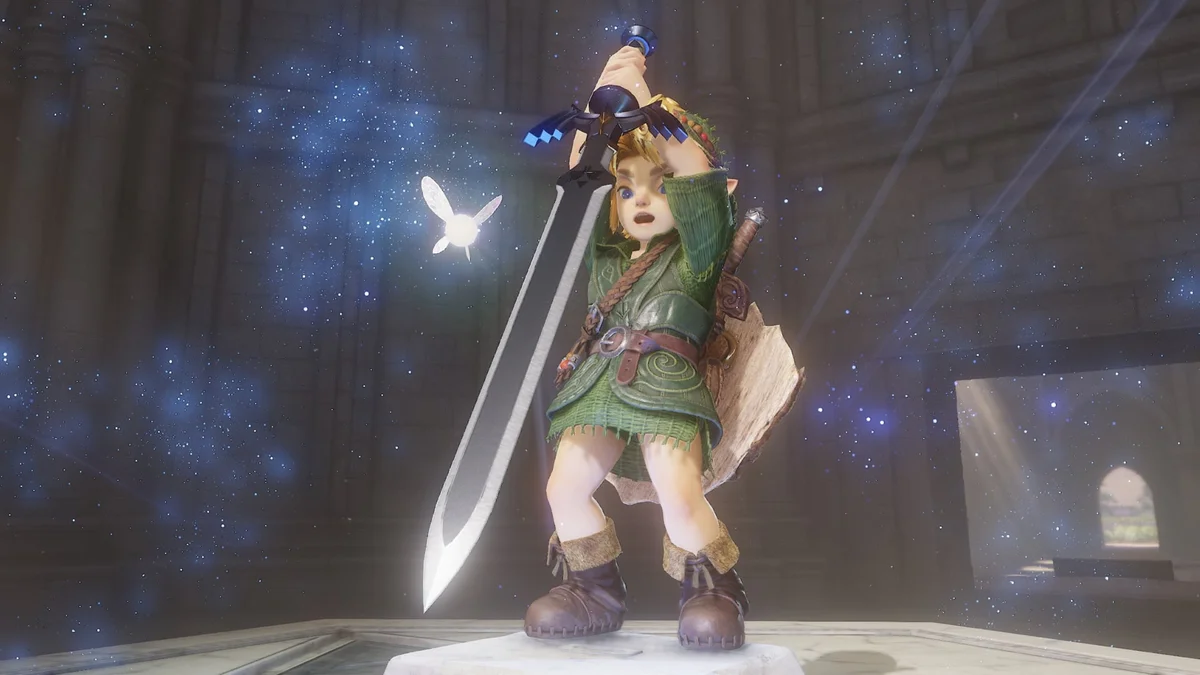
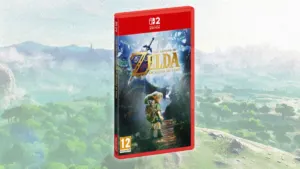
As the ground-up remake of The Legend of Zelda: Ocarina of Time rolls out globally on Nintendo Switch 2 following a historic 96/100 Metacritic score, early finishers in the first live launch regions have confirmed a stinging omission for longtime veterans. Rolling credits after the final showdown against Ganon unlocks neither the fan-favorite Master Quest second campaign nor any alternative Hero Mode or New Game+ difficulty option.
From 64DD Ura Zelda to the 3DS Remaster: Why Missing Master Quest Stings
For veteran Zelda players, Master Quest is far more than a simple damage slider. Originally developed in the late 1990s under the working title Ura Zelda as an expansion for the Nintendo 64DD magnetic disk drive add-on, the project was designed as a spiritual successor to the Second Quest from the original 1986 NES classic. While keeping the overworld of Hyrule intact, it completely scrambled every dungeon's puzzle logic, item placement, switch locations, and enemy rosters.
North American and European players first experienced Master Quest in early 2003 via the limited-edition Nintendo GameCube bonus disc bundled with pre-orders of The Wind Waker. Eight years later, in June 2011, developer Grezzo baked Master Quest directly into the $39.99 The Legend of Zelda: Ocarina of Time 3D cartridge on Nintendo 3DS. That portable release even raised the stakes by flipping the entire world and every dungeon into a horizontal mirror image while doubling all incoming enemy damage.
On Nintendo Switch 2, finishing the main story simply sends players back to the title screen with their pre-Ganon save file intact. Veterans hoping to test their reflexes against remixed Water Temple layouts or revisit the surreal cow switches embedded inside the walls of Jabu-Jabu's Belly are left with only the standard 1998 progression path.
Rebuilt From Scratch by Nintendo EPD: The Technical Reason Behind the Cut
Why is a bonus campaign that fit onto a handheld cartridge in 2011 absent from a flagship 2026 console release? The explanation lies in how Nintendo EPD Group 3 and producer Eiji Aonuma built the Switch 2 edition. Whereas Grezzo's 2011 3DS remaster ran on top of the original Nintendo 64 geometry and room data, the Switch 2 remake was coded and modeled from the ground up.
Aonuma's team altered room dimensions, widened corridors to accommodate Link's new dedicated free-jump button, reworked physical lighting, and physically restructured infamous bottlenecks like the Water Temple with new openwork walls and revised sightlines. In the 1998 engine, Master Quest worked because it reused the exact same 3D room meshes while swapping object and enemy placement tables. On Switch 2, bringing back Master Quest would have required manually rebuilding, scripting, and playtesting nine alternate dungeons around the new movement physics.
As detailed in our complete Zelda: Ocarina of Time Switch 2 length and completion guide, rolling credits takes roughly 20 hours on a standard run and around 32 hours for a 100% completionist playthrough across all 100 Gold Skulltulas and 36 Pieces of Heart. Post-game replayability in the Switch 2 edition centers on the returning Boss Challenge mode and completionist exploration rather than a second remixed quest.
Ocarina of Time Editions Compared Across Four Generations
| Edition | Release Year | Master Quest Included | Mirrored World & 2x Damage | Key Features & Additions |
|---|---|---|---|---|
| Nintendo 64 | 1998 | No (64DD expansion canceled) | No | Original landmark 3D campaign |
| GameCube Bonus Disc | 2003 | Yes (unlocked from start) | No (standard orientation) | Remixed Ura Zelda dungeons at 480p |
| Nintendo 3DS (3D) | 2011 | Yes (unlocked after credits) | Yes (mirrored map + 2x damage) | Boss Challenge, Sheikah Stones, gyro aiming |
| Nintendo Switch 2 Remake | 2026 | No | No | Full EPD rebuild, free jump, mic ocarina, Boss Challenge |
Could a Free Switch 2 Update or GameCube NSO Drop Fill the Gap?
There is still a realistic path for Nintendo to address the missing challenge mode post-launch. Throughout the Switch 2 generation, Nintendo has regularly delivered free content patches for flagship first-party titles, including new multiplayer modes for Star Fox and expanded eight-player split-screen support in Mario Kart. While rebuilding all nine Master Quest dungeons inside the new engine would be a major undertaking, patching in a classic Hero Mode (doubled enemy damage and no heart drops in grass or pots, just like in The Wind Waker HD and Skyward Sword HD) would require minimal engineering overhead.
Meanwhile, subscribers to Nintendo Switch Online + Expansion Pack only have access to the standard 1998 version of Ocarina of Time inside the Nintendo 64 app. Adding the 2003 Master Quest bonus disc to the growing GameCube Classics library on Switch 2 would give purists a faithful way to revisit the original remixed dungeons without waiting for a full engine conversion.
My Perspective
As much as I adore every ounce of care Eiji Aonuma and Nintendo EPD poured into rebuilding Hyrule from the ground up, launching without a single hard mode feels like a step backward for replayability. Back in 2011, the Nintendo 3DS remaster launched at $39.99 USD and packed the entire mirrored Master Quest campaign right onto the cartridge. Charging $69.99 USD on Switch 2 fifteen years later while cutting Master Quest and not even offering a basic Hero Mode toggle at launch leaves longtime veterans without the post-credits gauntlet this masterpiece deserves.
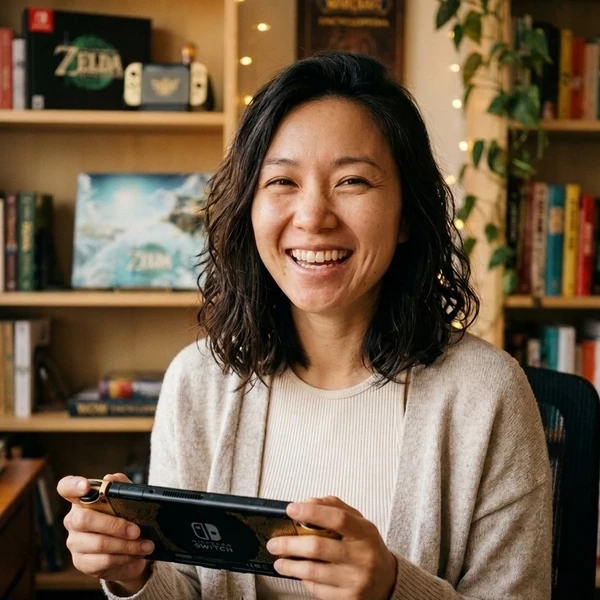
Based on the outskirts of New York City, Chaya 'Chayane' spent five years studying software engineering in Montreal before returning to her home state. A Full-Stack developer and Deep Learning AI architecture researcher, she explores neural networks and algorithmic optimization while engineering data pipelines for Retrocharting and Gamescharting alongside Grimtag. A gamer for over 20 years and an avid collector of Nintendo history and The Legend of Zelda, she explored World of Warcraft's Azeroth before bringing her deep technical background to video game analysis.