Hidden Direct-to-Cloud Wi-Fi Inside the Xbox Nano Controller: How Microsoft Bypasses Bluetooth to Cut Cloud Gaming Latency
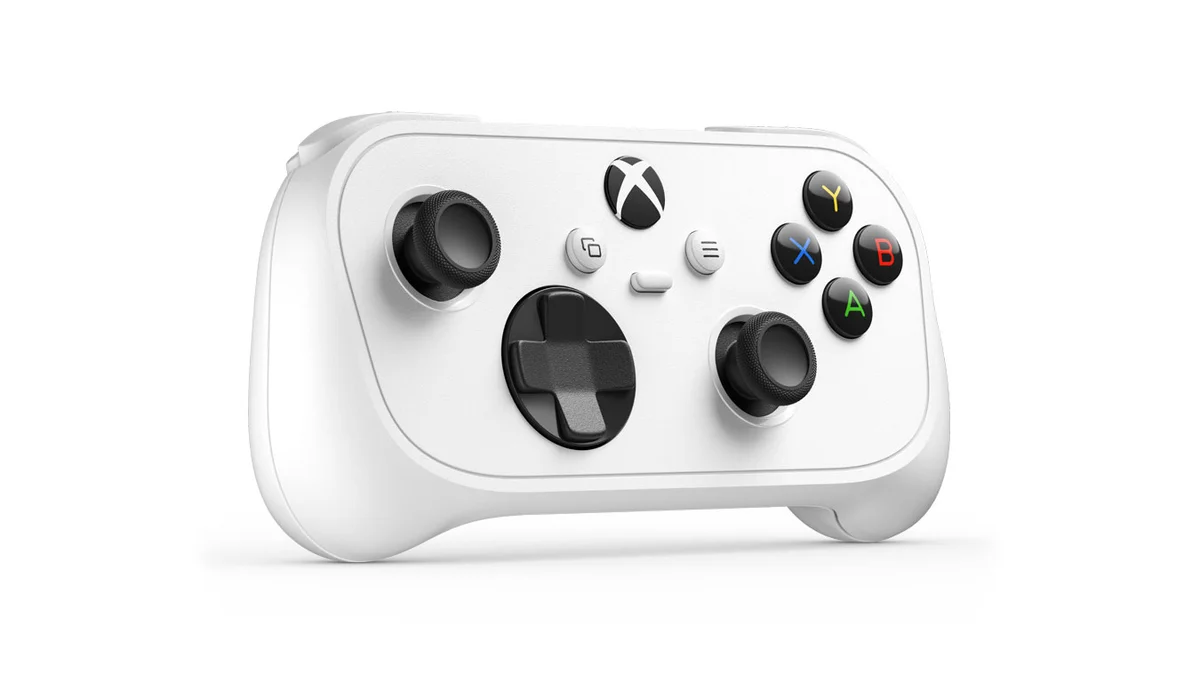
Just hours before its global retail launch on November 4, 2026 at $49.99, Microsoft's smallest official gamepad ever built is hiding a major hardware upgrade that was completely left out of its initial marketing sheet. When the company first unveiled the miniature peripheral last month, as covered in our breakdown of the $49.99 pocket-sized Xbox Nano Controller, the 3.5-ounce (99-gram), 5-inch frame was pitched solely around standard Xbox Wireless, Bluetooth, and USB-C charging. Beneath the shell, however, the controller packs a built-in Wi-Fi radio engineered to connect straight to Xbox Cloud Gaming servers without routing inputs through your display device.
How Direct-to-Cloud Wi-Fi Eliminates the Local Bluetooth Bottleneck
In a conventional cloud gaming setup on a Samsung or LG smart TV, an Amazon Fire TV Stick, or a smartphone, pressing any of the 18 standard gameplay inputs or the programmable Action Button on an Xbox gamepad requires a two-step relay. First, the input travels over local Bluetooth to the host screen or mobile device. That device's operating system must then process the Bluetooth stack, package the command, and forward it over home Wi-Fi or Ethernet to Microsoft's remote servers. On smart TVs in particular, where budget Bluetooth radios often contend with signal interference and sluggish firmware polling, that extra local hop adds roughly 15 to 18 milliseconds of input latency.
By embedding dedicated Wi-Fi silicon inside the Xbox Nano Controller, Microsoft is finally adopting the Direct-to-Cloud architecture pioneered by Google's late Stadia controller and Amazon's Luna gamepad. Instead of talking to the television or tablet in front of you, the Xbox Nano links directly to your home Wi-Fi router and fires button inputs straight to Xbox Cloud Gaming servers. The screen handles incoming video decoding while your physical inputs take the shortest possible network path, bringing cloud responsiveness noticeably closer to local console hardware.
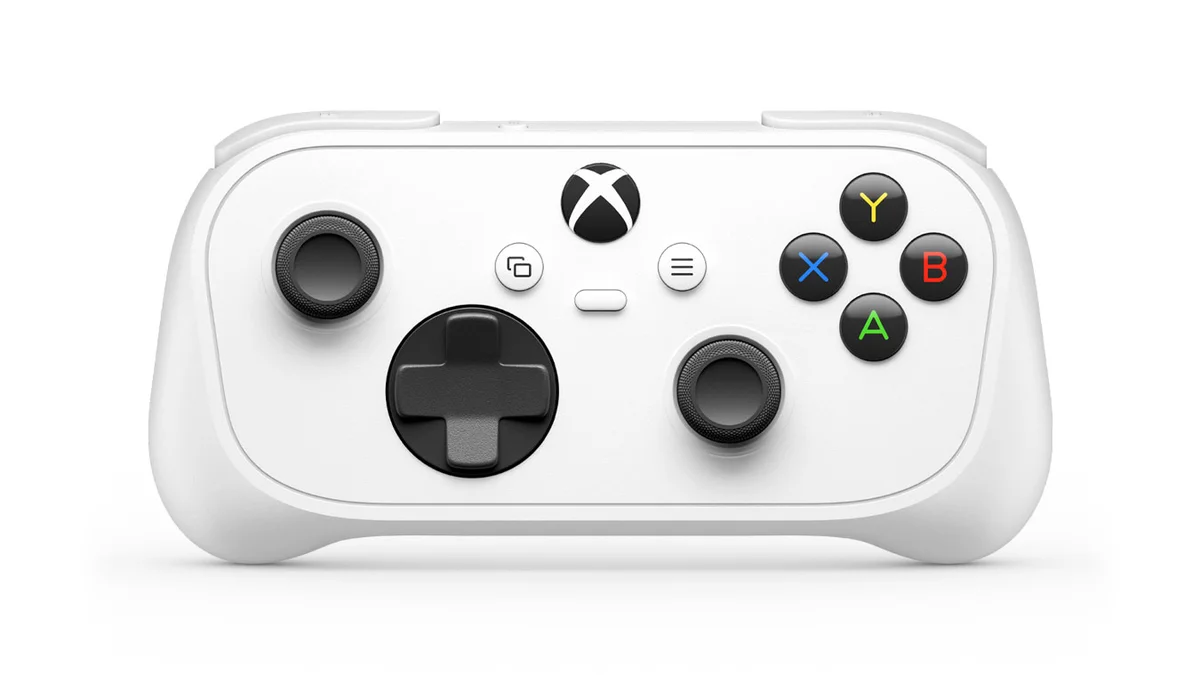
Xbox Nano Controller
- Ultra-light 3.5 oz (99g) pocket frame with all 18 inputs and programmable Action Button
- Hidden Direct-to-Cloud Wi-Fi radio alongside Xbox Wireless and Bluetooth
- Built-in USB-C rechargeable lithium-ion battery
Pairing Through the Xbox Mobile App Ahead of Web and Smart TV Preview Rollout
Why did Microsoft omit any mention of Wi-Fi from the official Xbox Nano Controller store page at reveal? The direct cloud connectivity feature is currently undergoing private testing on the revamped Xbox Cloud Gaming web portal. In practice, activating the mode requires pairing the Xbox Nano Controller over Wi-Fi to Microsoft's cloud servers using the Xbox mobile app on iOS or Android, which bridges your local network credentials to the controller and binds it to your active streaming session.
Microsoft is expected to formally announce the feature as an opt-in Preview for Xbox Nano Controller owners in the near future, before rolling out full support across Xbox Cloud Gaming on web browsers and native smart TV apps. Delivering the capability via a post-launch firmware and platform update explains why the company kept the radio under wraps during the initial pre-order window.
Project Sebile's DNA Lives On and Paves the Way for Xbox Elite Series 3
From a hardware engineering standpoint, seeing Direct-to-Cloud Wi-Fi debut inside a $49.99 travel controller proves that Microsoft's internal work on the codenamed Sebile gamepad was never scrapped. First uncovered in regulatory and court documents, Sebile was originally slated to launch alongside a mid-generation Xbox Series X refresh console in 2024, combining direct cloud connectivity, an internal rechargeable battery, and lift-to-wake sensors. While the mid-cycle console refresh was canceled, Microsoft has clearly salvaged its best controller innovations for its next wave of peripherals.
Alongside the Xbox Nano Controller, the upcoming Xbox Elite 3 (Xbox Elite Wireless Controller Series 3) is also expected to feature the same Direct-to-Cloud Wi-Fi hardware. Until Microsoft refreshes its standard full-size wireless controller with built-in Wi-Fi and a lithium-ion cell, the pocket-sized Nano ironically stands as the most technically advanced cloud gaming pad in the entire Xbox lineup.
Check Availability for the Xbox Nano Controller on Amazon→
My Take on the Spec Sheet
Anyone who has played Xbox Cloud Gaming directly through a Samsung or LG smart TV app knows the real weak link in the chain: it is rarely the Azure video stream itself, but rather the sluggish Bluetooth radio built into the television. Bypassing that local bottleneck by linking the gamepad straight to your router over Wi-Fi shaves off 15 to 18 milliseconds of input lag, which is the exact engineering trick that made Google's Stadia controller feel remarkably crisp. Packing that Direct-to-Cloud radio and a USB-C rechargeable battery into a 99-gram pocket frame for $49.99 makes the Nano far more than a travel novelty. We have not yet had a physical Xbox Nano Controller unit on our desk, so if Microsoft and the Xbox hardware team would like to send over a review sample so we can put its Direct-to-Cloud Wi-Fi latency through our full real-world testing protocol, our lab doors are wide open.

PC hardware enthusiast and competitive gamer, Arthur 'Heimdall' splits his time between France and the UK working in enterprise B2B software solutions. A business school graduate passionate about component benchmarking, he has been building, modding, and tuning PCs since childhood, optimizing every thermal degree and millisecond of display latency. An avid gamer across Assassin's Creed and sandbox titles, he forged his alliance with Grimtag and Chaya during late-night World of Warcraft raids before joining Pro-Gamer.