
Best Budget Gaming Phones in 2026: Top Picks Under $350
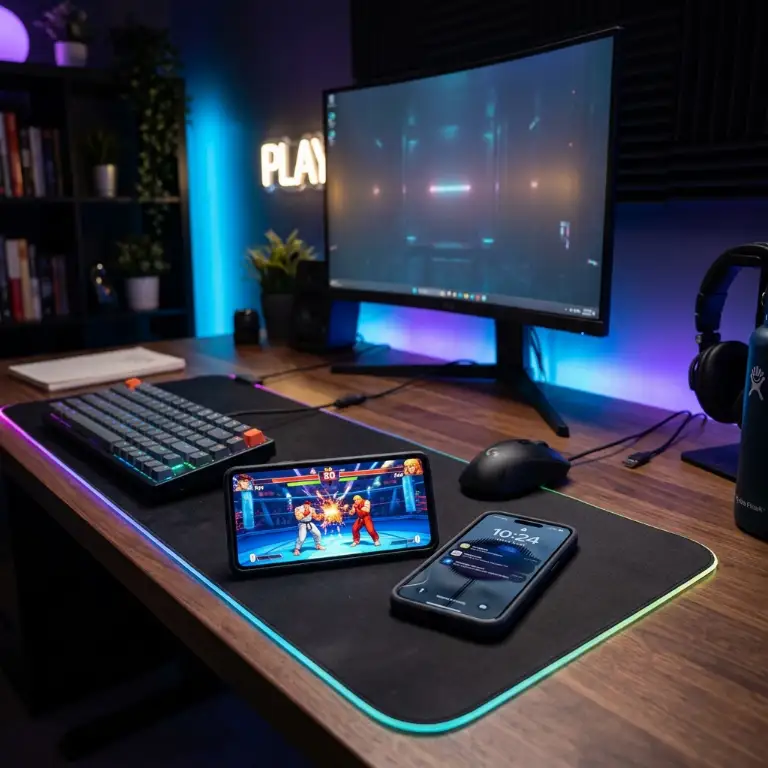
Let us be real: whenever people bring up mobile gaming, minds instantly jump to $1,000-plus behemoths like the Asus ROG Phone.
The reality is that not everyone has a month of rent to drop just to grind daily commissions in Genshin Impact. Fortunately for our wallets, mid-range processors have made a colossal leap forward.
Today, tracking down a cheap gaming phone that holds its own is no longer wishful thinking. If you are hunting for that rare gem under the $350 mark, you have come to the right place.
I put the market's leading contenders through hell under real-world conditions to see what they are truly made of. Here is my unfiltered verdict on the top budget gaming phones in 2026.
- Raw Power King (Best FPS): POCO X6 Pro - Dimensity 8300-Ultra chip, 120 Hz AMOLED display from $299
- Most Balanced (Display & Camera): Redmi Note 13 Pro 5G - Gorgeous 1.5K panel & dependable battery life
- Safe Bet & Long-Term Support: Samsung Galaxy A35 5G - 4 years of Android OS updates & Super AMOLED screen
- Need uncompromised flagship power? Check out top-tier handhelds: Our flagship gaming smartphone guide
POCO X6 Pro: The Undisputed King of Raw Power Under $300
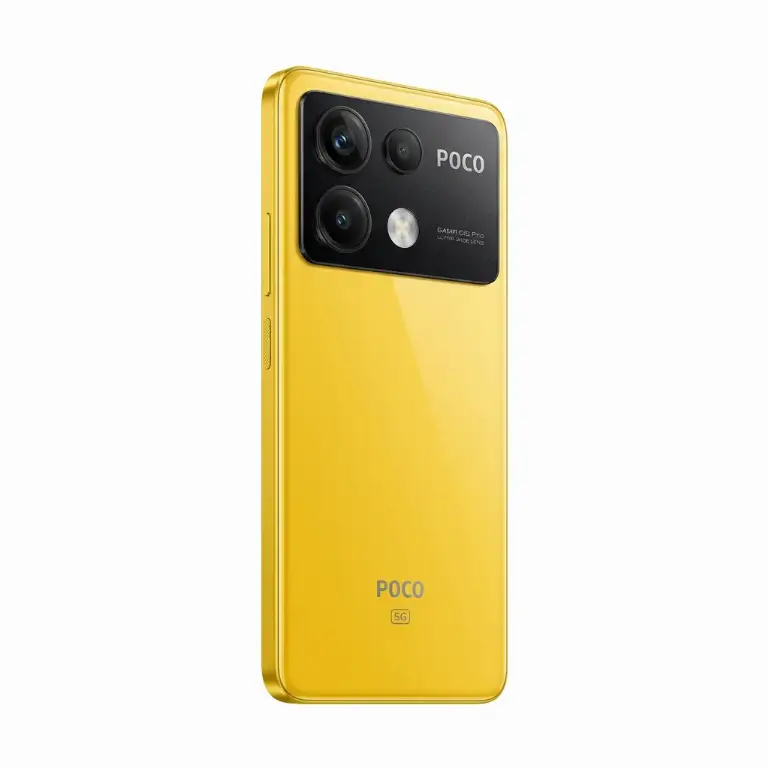
POCO X6 Pro
- Beastly MediaTek Dimensity 8300-Ultra chipset
- Ultra-fast UFS 4.0 storage for instant loading
- Hyper-responsive 120Hz 1.5K Flow AMOLED screen
If your sole metric for happiness is a locked framerate and you break out in cold sweats whenever a game dips below 60 FPS, the POCO X6 Pro is your holy grail.
Under the $300 threshold, it flat-out demolishes the competition. Xiaomi made a ruthless design compromise here: pour every cent into the engine, even if the chassis feels a little plasticky in hand.
A MediaTek Chipset That Changes the Game
Under the hood, this pocket monster packs a MediaTek Dimensity 8300-Ultra. Fabricated on a 4nm process, this SoC is a genuine pricing anomaly.
Paired with a Mali-G615-MC6 GPU and blistering LPDDR5X RAM, it delivers benchmark numbers typically reserved for phones twice its price.
In actual gameplay? Demanding heavyweights like Genshin Impact and Honkai: Star Rail run at a steady 60 FPS with graphics dialed up to High. For a budget gaming phone, that is nothing short of insane.
On the thermal side, WildBoost 2.0 optimization does its job: the phone gets warm during intense 30-minute sessions, but never turns into a pocket space heater.
Responsive AMOLED Display and Rapid-Fire Charging
The screen is another highlight. The 6.67-inch Flow AMOLED panel sports a sharp 1.5K resolution running at a silky 120 Hz.
Contrast is inky and infinite, peak brightness lets you play outdoors without squinting, and touch response is razor-sharp.
On twitch shooters like PUBG Mobile and Call of Duty: Mobile, the responsiveness is pure bliss. The 5,000 mAh battery comfortably powers through a full day of mixed use.
If you push it to its limits during extended multiplayer marathons, the included 67W fast charger juices the cell back to 100% in roughly 45 minutes.
The Compromises You Must Accept
Naturally, at this price point, something had to give. The glossy plastic back panel is a fingerprint magnet and feels decidedly entry-level in the hand.
On the software front, expect to spend your first ten minutes uninstalling a mountain of preloaded bloatware from HyperOS.
As for the cameras, they produce decent shots in broad daylight but fall apart fast in low-light environments. Neither of these drawbacks impacts gaming performance, but they are worth keeping in mind.
Redmi Note 13 Pro 5G: The Balanced, Premium-Feeling Alternative

Redmi Note 13 Pro 5G
- Gorgeous 120Hz CrystalRes AMOLED display
- Solid 200MP main camera for daytime shots
- Exceptional all-day battery endurance
If you need a dependable daily driver that effortlessly doubles as a capable gaming machine when you want to unwind, the Redmi Note 13 Pro 5G is a stellar pick.
It is noticeably more versatile and polished than the POCO X6 Pro, even if it packs slightly less raw muscle under the hood.
Gorgeous Display and Refined Build Quality
The first thing you notice is the build quality. The frosted matte glass back feels far more premium and pleasant to hold than the POCO's glossy plastic.
The 120Hz CrystalRes AMOLED display is simply stunning, serving up vibrant, punchy colors that make mobile games pop with visual flair.
It is equally fantastic for watching Twitch streams or YouTube gaming highlights between matches. Slim bezels complete the upscale flagship aesthetic.
Respectable Performance with 3D Limits
Under the chassis, Xiaomi equipped this model with the Qualcomm Snapdragon 7s Gen 2. This processor glides through mainstream titles like Arena of Valor, Brawl Stars, and League of Legends: Wild Rift without breaking a sweat.
However, when confronting brutally demanding 3D titles like Wuthering Waves, you will need to dial back your expectations.
Expect to drop graphics settings to Medium to guarantee a rock-solid 60 FPS. Thermal stability is top-notch, meaning the phone barely warms up even during extended sessions.
Samsung Galaxy A35 5G: Long-Term Reliability and Software Support
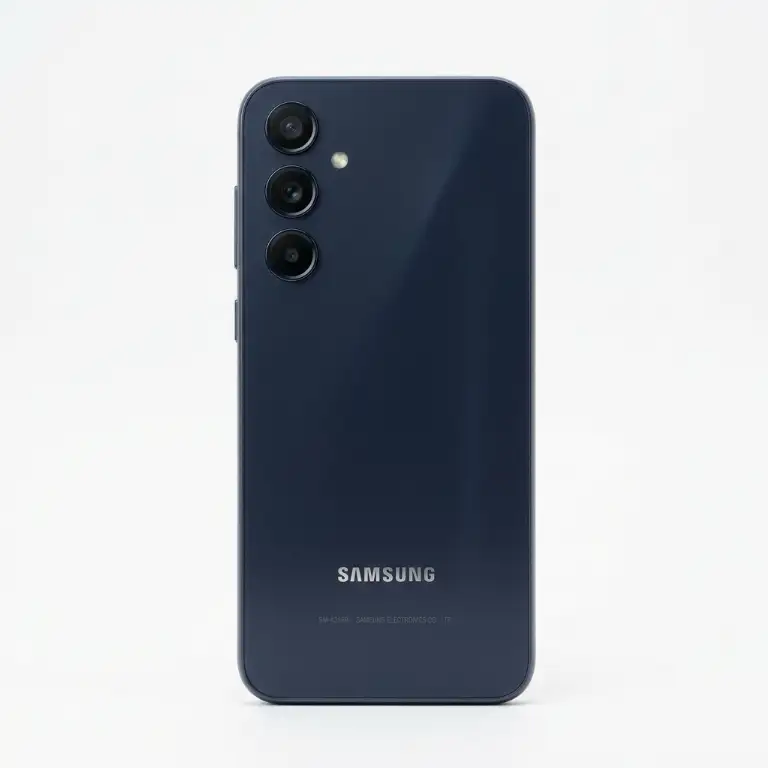
Samsung Galaxy A35 5G
- Premium Samsung build with IP67 water resistance
- Unrivaled software support (4 years OS updates)
- Vibrant, color-accurate Super AMOLED screen
Samsung does not traditionally market its A-series as gaming devices. Yet the Galaxy A35 5G brings compelling advantages to the table that budget buyers should not overlook.
It stands as the pragmatic choice for players who prioritize rugged durability, long-term software security, and steady everyday gaming performance.
Class-Leading Build Quality and IP67 Water Resistance
The Galaxy A35 5G is the only phone in this comparison that boasts an official IP67 water and dust resistance rating. A sudden downpour or an accidental splash by the sink will not send it to an early grave.
The 120Hz Super AMOLED display is exceptional, pairing natural color calibration with outstanding outdoor visibility.
Samsung also commits to four years of major Android OS upgrades and five years of security patches. That guarantees your device stays secure, stable, and compatible with future mobile releases for years to come.
An Exynos Chip That Throttles Under Heavy Loads
In terms of performance, Samsung's in-house Exynos 1380 processor handles arcade games, rhythm titles, and casual 3D experiences with ease.
Let us be candid, however: this SoC shows its limits during prolonged, intensive gaming sessions. The chip tends to run warm, forcing the thermal governor to throttle clock speeds after roughly twenty minutes of continuous play.
That throttling results in occasional micro-stutters during heavy graphical scenes. If your primary goal is pushing high-end 3D emulation or competitive shooters at max frame rates, the POCO X6 Pro remains well ahead.

How to Choose the Right Budget Gaming Phone
To strike the ideal balance without regretting your purchase, evaluate three non-negotiable hardware criteria:
- The Processor (SoC): Under the $350 mark, stay clear of outdated entry-level chips. Prioritize modern MediaTek Dimensity silicon or Snapdragon 7-series chips or better to guarantee game compatibility over the next several years.
- Storage Standard: This is the spec most buyers overlook. Insist on phones with UFS 3.1 or UFS 4.0 storage. Steer clear of older eMMC memory: it drastically inflates loading screens and triggers frustrating in-game micro-stutters as assets stream in.
- Touch Sampling Rate: While a 120Hz refresh rate ensures fluid animations, the touch sampling rate (how frequently the digitizer registers your finger taps) is even more critical for lightning-quick reaction times in competitive titles.
If your budget has room to stretch and you want to see what flagship performance looks like, explore our comprehensive guide to the best gaming smartphones to see the heavyweight champions of the industry.
Verdict: Which Affordable Gaming Phone Should You Buy?
If your absolute top priority is raw graphical power and maxing out in-game FPS, do not overthink it: grab the POCO X6 Pro. It is the undisputed performance monster in this price tier.
For a better all-around daily experience with superior camera performance, refined haptics, and premium materials, the Redmi Note 13 Pro 5G strikes the sweetest balance.
Finally, if you value long-term reliability, official IP67 water protection, and industry-leading software updates, the Samsung Galaxy A35 5G is a rock-solid investment, even if its 3D gaming chops sit a step behind.
Good game, and see you on the leaderboards,
Grimtag

SEO consultant for over 20 years and digital entrepreneur, Charles 'Grimtag' Ronchain is the founder of Pro-Gamer.gg, Retrocharting.com, and Gamescharting.com. A competitive gamer, streamer, and retro game collector, he has worked in the video game industry for over 15 years, notably as a consultant for leading game price comparison platforms. Passionate about real-time performance data and gaming technology, he analyzes competitive esports, gaming hardware benchmarks, and creator workflows on Pro-Gamer.gg with an authentic player perspective.