"This Game Would Not Exist Without PlayStation": Why Suri: The Seventh Note Scrapped Its Original Metroidvania Design
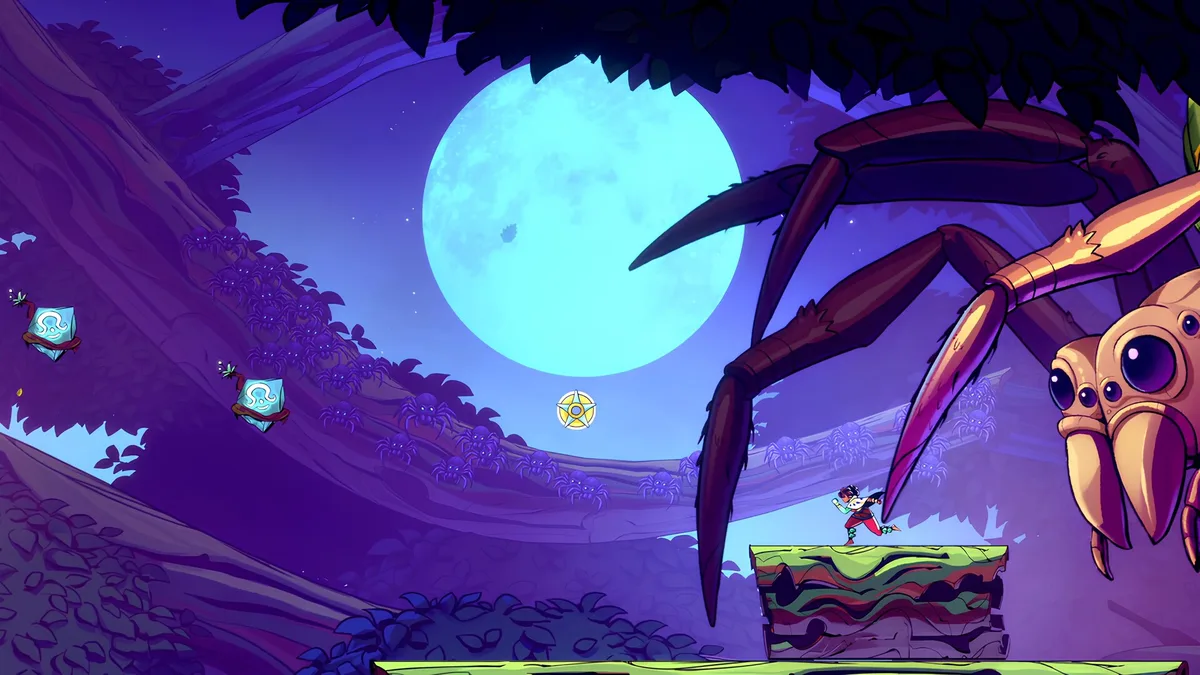
Launching on October 30, 2026 for PlayStation 5 and PC via Steam, Suri: The Seventh Note stands at the forefront of a rapidly maturing Indian console development scene. Created by Bengaluru-based indie outfit Tathvamasi Studios under Sony's PlayStation India Hero Project incubator, this 2D rhythm-action platformer ties every environmental hazard, jump pad, and enemy pattern to an original soundtrack rooted in Indian musical traditions. Ahead of release day, studio CEO and game director Glen Martin opened up about the difficult creative pivot that saved the project from scope creep.
From Discord Calls to the PlayStation India Hero Project: Cutting the Metroidvania Noise
Tathvamasi Studios started during the Covid pandemic when a small group of friends in a Discord voice channel decided to pool their part-time salaries to fund a prototype. At the time, Glen Martin was captivated by the rhythmic, almost musical cadence of sword clashes in Sekiro: Shadows Die Twice. When early attempts to translate that combat rhythm into a 2D action game fell flat, a friend introduced him to the minimalist geometric platformer 140, sparking the idea to repurpose their rhythm engine into a pure traversal experience.
Even with that core hook, the first-time team initially fell into a classic indie trap. Fueled by their love for Ori, Prince of Persia: The Lost Crown, Hollow Knight, and Nine Sols, they set out to build a sprawling 2D rhythm Metroidvania packed with twenty competing mechanics. Joining the PlayStation India Hero Project proved to be the turning point. As Glen Martin explains directly: "This game would not exist without the support provided by the PlayStation India Hero Project. They really provided all the resources necessary to get our creative vision into reality, setting up a dedicated team of developers, designers, and producers to support us along the way."
Guided by Sony's mentors, the Bengaluru team made the hardest call of the entire production: stripping away the Metroidvania exploration framework after entire biomes had already been built, refocusing exclusively on tight, forward-momentum rhythm platforming. That disciplined scope now positions the title alongside the standout console experiences highlighted in our guide to the best games on PS5 and PS5 Pro.
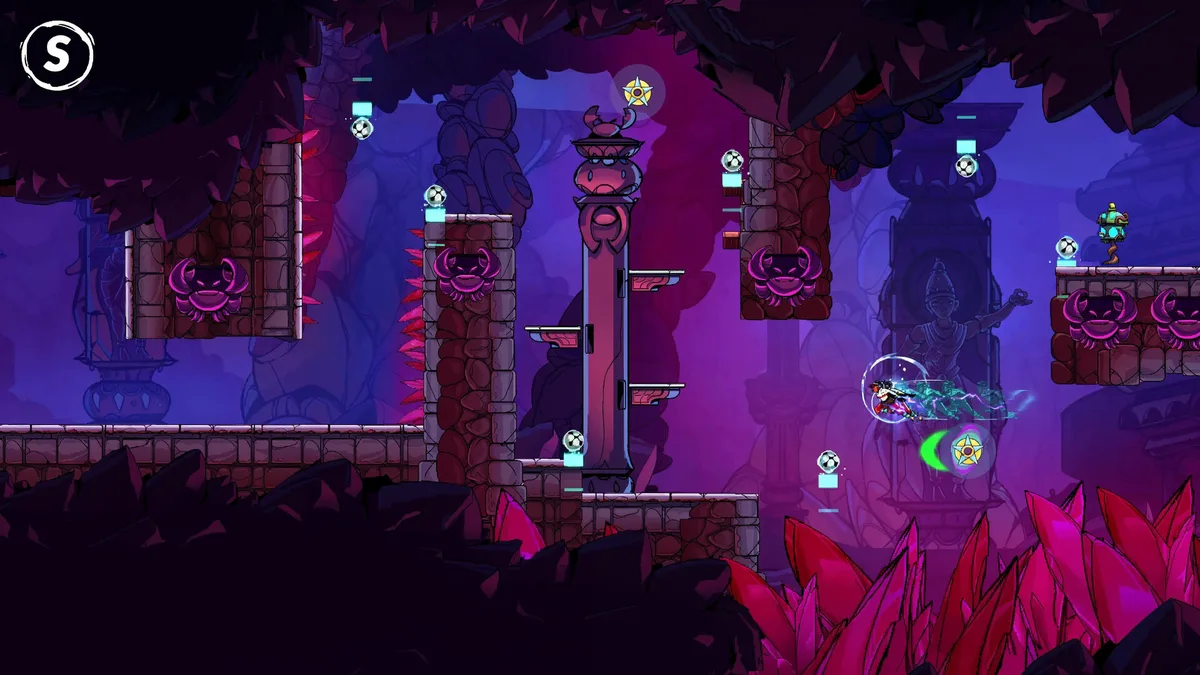
Universal Groove System and DualSense Haptics: Letting the Song Conduct the Engine
Under the visual direction of Art Director Chitrak Srivastava, whom Martin recruited after weeks of cold-emailing artists on ArtStation, Suri: The Seventh Note blends bold pen-and-ink linework with saturated colors. Players guide protagonist Ajira across a mythical island to save her ailing mother, traversing biomes inspired by Rajputana forts in Rajasthan, the lush Western Ghats, Himalayan monasteries, and the ritual art form of Theyyam. One of Martin's favorite set-pieces pits players against a massive creature named Rulpui in a high-speed escape across burning treetop buildings twenty meters above the forest floor.
Keeping flames, waterwheels, and moving platforms locked to the beat presented a major engineering hurdle. Early fixed-BPM loops drifted out of sync whenever frame rates fluctuated. To solve this, Tathvamasi Studios integrated FMOD into Unity and engineered a proprietary Universal Groove System that acts as the master timekeeper. Every animation and trap queries the active audio clock directly, ensuring zero rhythmic drift even during frame drops. Level design begins with the audio team setting BPM, time signatures, and musical phrases before designers sketch paper prototypes of hazards that match the melody.
On PlayStation 5, a custom Rhythm Haptics Engine translates the bass groove and amplitude of the music directly into the DualSense controller, doubling as an accessibility feature so hard-of-hearing players can feel the beat physically in their hands. Players eager to test their timing before buying can try the playable demo on Steam or check out our roundup of free game demos to download on the PlayStation Store, while a post-launch expansion titled Trials Of Yama is already listed on Valve's storefront.
View Suri: The Seventh Note on the Official Steam Store→
My Take
What I respect most about Glen Martin's breakdown is the sheer honesty about indie scope creep. Too many debut studios convince themselves that slapping a sprawling, interconnected map onto a great movement mechanic automatically makes a better game. Having the discipline to scrap finished Metroidvania biomes and double down on pure, forward-driving rhythmic flow in the vein of 140 and Rayman Legends takes real guts. With a DualSense in hand, feeling the custom Rhythm Haptics Engine pulse to Indian percussion while the Universal Groove System keeps every trap locked to the millisecond is exactly the kind of sharp, focused design I want to see more often on PS5.

SEO consultant for over 20 years and digital entrepreneur, Charles 'Grimtag' Ronchain is the founder of Pro-Gamer.gg, Retrocharting.com, and Gamescharting.com. A competitive gamer, streamer, and retro game collector, he has worked in the video game industry for over 15 years, notably as a consultant for leading game price comparison platforms. Passionate about real-time performance data and gaming technology, he analyzes competitive esports, gaming hardware benchmarks, and creator workflows on Pro-Gamer.gg with an authentic player perspective.