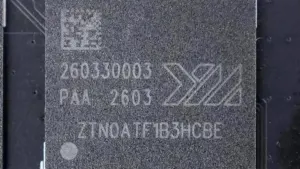
KRW 107.4 Trillion Profit in Q3 2026: How Samsung's HBM4 Boom Keeps PC DDR5 RAM and NVMe SSD Supply Tight Through 2027
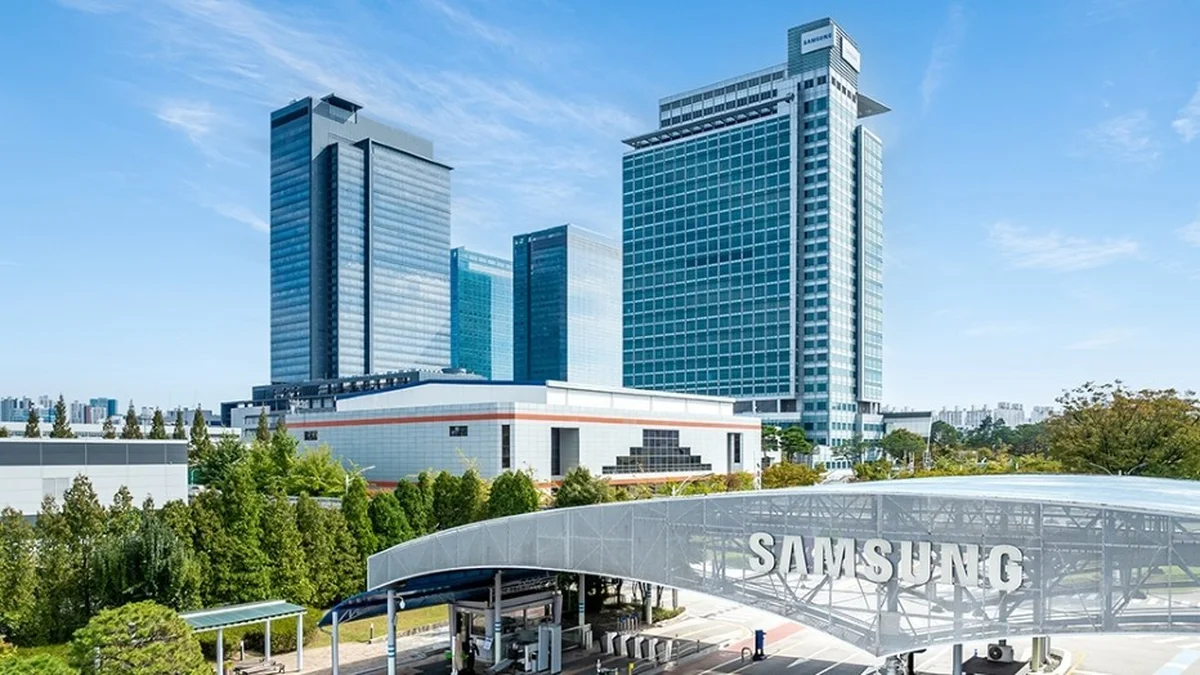
Samsung Electronics has published its consolidated financial results for the third quarter of 2026 (ended September 30, 2026), delivering an unprecedented milestone in global technology history. Propelled by runaway artificial intelligence infrastructure demand, the South Korean giant posted an all-time quarterly revenue record of KRW 195.3 trillion (approximately $146 billion), up 14% quarter-on-quarter and 127% year-on-year, alongside a historic operating profit of KRW 107.4 trillion (roughly $80.5 billion). Samsung is now the first technology company in the world to surpass KRW 100 trillion in operating profit within a single quarter. Behind the record-shattering balance sheet, the company's official Q4 2026 and full-year 2027 roadmap confirms sustained supply pressure on consumer DDR5 RAM, GPU VRAM, and NVMe SSDs for PC gamers.
KRW 147.1 Trillion in Semiconductors: HBM4 and Server SSDs Dominate Wafer Capacity
Samsung's Device Solutions (DS) division, which houses its semiconductor operations, generated KRW 147.1 trillion in consolidated revenue (+15% quarter-on-quarter) and KRW 106.5 trillion in operating profit during the third quarter of 2026, accounting for more than 99% of the entire conglomerate's operating income. The Memory Business alone reached an all-time high of KRW 140.7 trillion in quarterly sales by aggressively steering its product mix toward high-margin AI server components under tight fab capacity constraints.
In its official earnings release, Samsung noted that it significantly scaled up commercial shipments of next-generation HBM4 and enterprise server SSDs, adding that strong server momentum pushed market prices higher across all DRAM and NAND flash applications. This allocation shift directly reflects Samsung's move to lock up 80% of its memory capacity over five years for AI clients, leaving a much smaller slice of wafer output for mainstream consumer desktop memory and gaming graphics cards.
| Division / Segment (Q3 2026) | Consolidated Revenue | Operating Profit / Loss | Key Drivers & Hardware Impact |
|---|---|---|---|
| Samsung Electronics (Total Consolidated) | KRW 195.3 trillion (~$146B) | +KRW 107.4 trillion (~$80.5B) | First tech company ever to exceed KRW 100T quarterly operating profit (KRW 75.14T net profit) |
| Device Solutions (DS - Semiconductors) | KRW 147.1 trillion | +KRW 106.5 trillion | All-time high Memory revenue (KRW 140.7T) led by HBM4, high-speed DDR5, and server SSDs |
| Samsung Display (SDC - Panels) | KRW 8.0 trillion | +KRW 1.1 trillion | Large display volume and revenue expanded on strong QD-OLED gaming monitor demand |
| MX & Networks (Mobile & Telecom) | KRW 37.7 trillion | -KRW 0.6 trillion | Consumer hardware margins squeezed by surging memory component costs |
| Visual Display & Digital Appliances | KRW 13.9 trillion | -KRW 0.2 trillion | Higher raw material, component, and logistics costs across TV and home appliance lines |
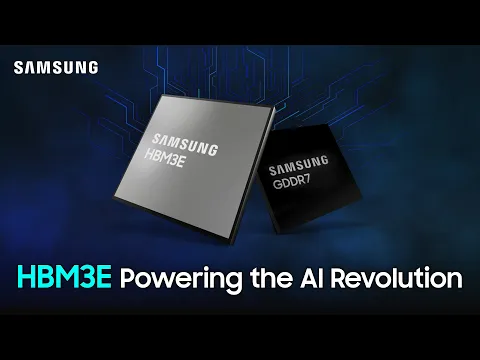
2027 Supply Warning: Why DDR5 RAM and NVMe SSD Prices Face Extended Pressure
Samsung's official outlook for the fourth quarter of 2026 and full-year 2027 offers little relief for PC builders hoping for lower component prices. In Q4 2026, Samsung projects that memory demand growth will revolve around new server CPU and GPU platforms, while the rapid rollout of personal AI agent services is driving a surge in high-density QLC SSD orders. To capitalize on this trend, the Memory Business will keep prioritizing AI applications by expanding its supply of HBM, high-speed server DDR5, and enterprise QLC storage.
The most critical takeaway for PC gamers lies in the company's 2027 forecast: Samsung warns that global AI infrastructure capital expenditure will reach historic levels and that AI-driven demand will far exceed industry supply in 2027 compared to 2026. By locking in multi-year supply contracts with hyperscalers, Samsung's roadmap echoes SK hynix's warning of a structural memory shortage lasting until 2030. For players planning a storage upgrade for their gaming PC or PlayStation 5 before NAND flash contract hikes ripple further into retail, picking up a proven PCIe 4.0 M.2 drive while retail stock remains stable is a smart move.
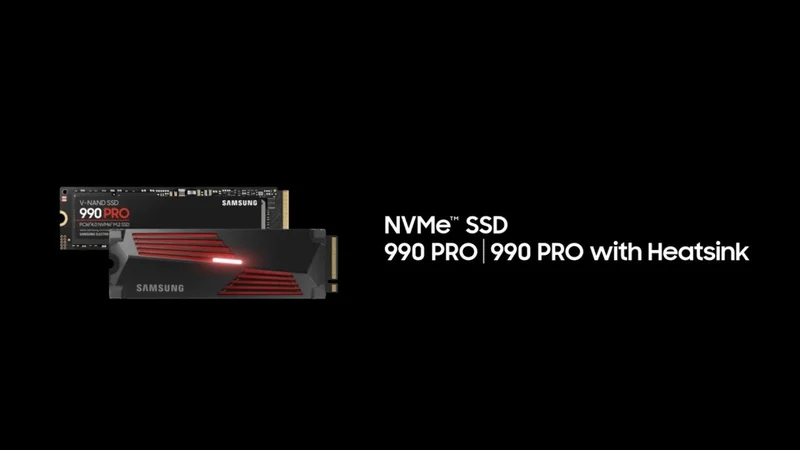
Samsung 990 PRO 2TB PCIe 4.0 NVMe M.2 SSD
- Up to 7,450 MB/s sequential read speeds
- Samsung V-NAND flash architecture
- PC and PlayStation 5 compatible
2nm GAA Foundry Wins, QD-OLED Gaming Monitors, and the Consumer Hardware Squeeze
Beyond DRAM and NAND flash, Samsung's Q3 2026 financial disclosure highlights three pivotal hardware trends shaping 2026 and 2027:
- 2nm GAA Foundry & HBM Base-Die Scaling: Samsung's Foundry Business posted a sharp improvement in revenue and profitability on the back of rising HBM base-die shipments and continued order wins from 2nm Gate-All-Around (GAA) high-performance computing (HPC) customers, including major hyperscalers. Following a 4nm NPU mass-production ramp in Q4 2026, Samsung is targeting further growth in 2027 led by 4nm and 2nm nodes and the start of operations at its new fab in Taylor, Texas, backed by KRW 84.4 trillion in full-year 2026 capital expenditures (with KRW 76.8 trillion dedicated to Device Solutions).
- QD-OLED Gaming Monitors & 8.6G IT OLED Lines: Samsung Display Corporation (SDC) generated KRW 8.0 trillion in revenue and KRW 1.1 trillion in operating profit. In the large display segment, Samsung credited expanding sales volume directly to the growing QD-OLED gaming monitor market, while confirming that its new 8.6-generation (8.6G) IT OLED production line will ramp up in 2027 to supply next-generation laptop panels.
- Memory Inflation Hits Consumer Devices: In a telling illustration of how severe component inflation has become, Samsung's own consumer-facing Device eXperience (DX) division recorded an operating loss of KRW 0.8 trillion in Q3 2026 (including a KRW 0.6 trillion operating loss across Mobile eXperience and Networks despite KRW 37.7 trillion in sales), as skyrocketing memory chip prices directly eroded hardware margins.
My Take
The fact that Samsung's own mobile and consumer electronics division slip into an operating loss due to surging memory costs while its semiconductor arm pockets KRW 106.5 trillion in operating profit tells you everything you need to know about the current hardware market. When Samsung explicitly states in its 2027 outlook that AI-driven memory demand will outstrip industry supply by an even wider margin next year than in 2026, the takeaway for PC builders is unmistakable: wafer allocation will remain heavily tilted toward HBM4, server DDR5, and enterprise SSDs. If you need extra NVMe storage or a DDR5 RAM upgrade for your gaming rig over the coming months, waiting for a 2027 price drop is a losing bet.

PC hardware enthusiast and competitive gamer, Arthur 'Heimdall' splits his time between France and the UK working in enterprise B2B software solutions. A business school graduate passionate about component benchmarking, he has been building, modding, and tuning PCs since childhood, optimizing every thermal degree and millisecond of display latency. An avid gamer across Assassin's Creed and sandbox titles, he forged his alliance with Grimtag and Chaya during late-night World of Warcraft raids before joining Pro-Gamer.