50 Million Players and Zero Copycats: Why No Studio Dares to Replicate Outlast According to Red Barrels
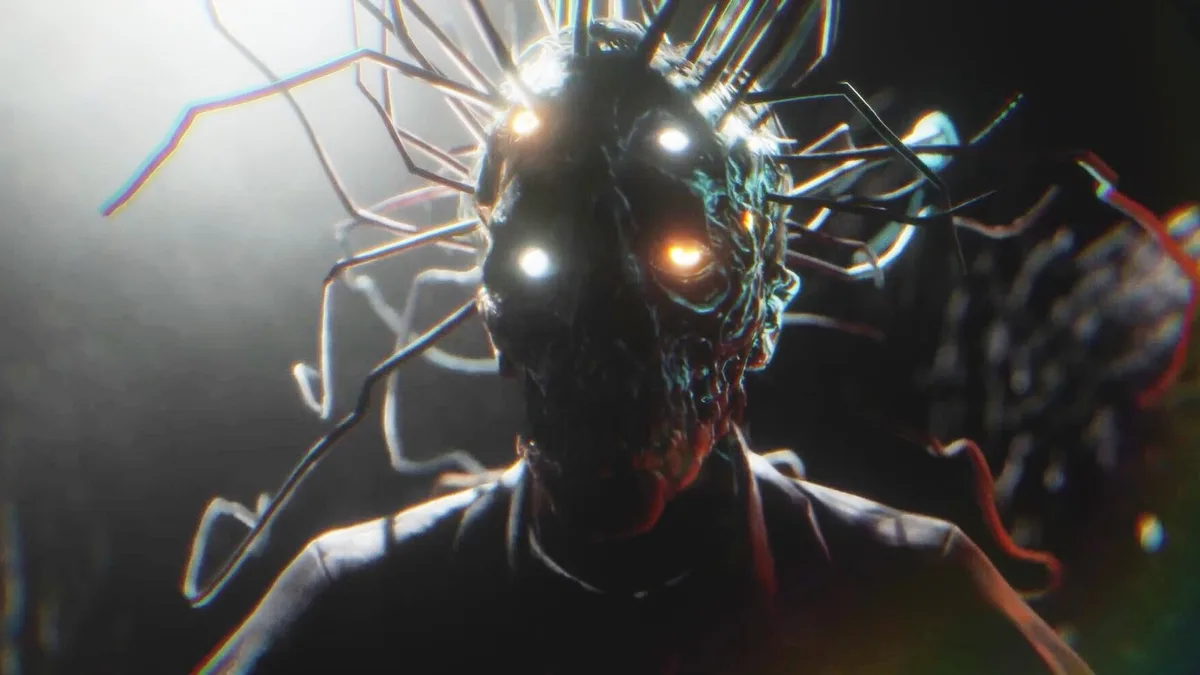
Thirteen years after players first stepped through the rusted gates of Mount Massive Asylum, the Outlast franchise has officially surpassed 50 million players worldwide. Yet behind a commercial triumph that now spans two mainline entries, the Whistleblower expansion, and the live-service co-op hit The Outlast Trials, one industry anomaly continues to baffle both fans and the creators themselves: why has no other studio successfully replicated Red Barrels' exact formula?
An Unchallenged Throne Across 50 Million Players
In a video game industry where any breakout mechanic usually spawns dozens of imitators within months, Red Barrels occupies a remarkably solitary lane. While horror titles such as Resident Evil 7, Harvester, or Agony have delivered their own share of brut gore, none have combined total helplessness, zero combat mechanics, night-vision camcorder tension, and extreme body horror with the same sustained commercial longevity.
Asked why no competitor has managed to capture that same lightning in a bottle, Red Barrels co-founder Philippe Morin admits he is just as puzzled: "Honestly, I don't know. Sometimes I ask myself the same thing, but I'm glad that we're still different from other games because it can be so hard. There's thousands of games coming out on Steam every year. So that's a lot of other games people can decide to spend time with."
That does not mean the Montreal-based team hasn't braced for competition over the years. "Sometimes there's a game coming up, and we're like, 'alright, this one is probably gonna be the next Outlast,'" Morin explains. "But so far nothing's come of them. It's maybe a combination of different things: the fact that there is no combat, or the gore is lacking."
Protecting a Niche Without Diluting the Terror
A major reason why Red Barrels remains unchallenged lies in its studio structure. Experienced enough to walk the razor-thin line between terrifying spectacle and unplayable gratuity, the team has stayed small enough that it never needed to sanitize its vision for mainstream corporate approval, even as the franchise expands to new audiences following The Outlast Trials' surprise launch on Nintendo Switch 2.
"We're happy to be part of a niche and be successful within that niche," Morin says. "It's not part of our internal dialog that we need to make this more mass market or reach a wider audience. Obviously, we want as many people as possible to play the game, but we don't want to let that dilute or take our focus away from what makes an Outlast game. If we ever decide that we need to be more mass market, then we'll just come up with a different IP or call it something else."
From Mount Massive to The Outlast Trials: Drawing the Moral Line
Pushing extreme horror for over a decade still requires intense internal debate over where to draw the line. Looking back across the series, Morin points to two specific moments that sparked heated discussions inside the studio. The first occurred during the development of the original 2013 Outlast, when protagonist Miles Upshur stumbles upon an inmate engaging in necrophilia inside Mount Massive Asylum.
"We felt like we needed something that was going to make people think that anything can happen in this game," Morin recalls. Lead writer J.T. Petty ultimately solved the dilemma by flipping the perspective back onto the player, having the inmate call out Upshur for standing there and watching. "That was a really nice spin because it turned things around. Obviously, the player is making the choice to watch."
The only other time the team spent just as long debating a boundary came much more recently in The Outlast Trials, during missions such as Grind the Bad Apples and Punish the Miscreants. When deciding how to depict children in those trials, Red Barrels ultimately drew a hard line: using static child mannequins rather than animated characters. "At the end of the day it's a bunch of polygons moving, but in the player's mind, it's not the same thing," Morin notes. "That was probably where we found our limit: let's stick with mannequin kids, and not go too far with that."
As the studio grew from 20 developers to nearly 40, onboarding new talent meant preparing them for those unfiltered creative brainstorming sessions. As Morin jokes, "There are many conversations that would take you to an HR office in other studios, but here it's just part of our daily routine."
My Take
What Philippe Morin highlights here is the exact reason why so many indie horror clones fizzle out after a single trailer. Making a memorable Outlast experience isn't just about throwing buckets of blood at a night-vision lens; it requires mastery of pacing, psychological vulnerability, and knowing the exact millimeter where shock value turns into numbness. By staying fiercely independent at around forty developers and refusing to water down its identity for mass-market appeal, Red Barrels has built a fifty-million-player fortress that major publishers are simply too risk-averse to touch.

SEO consultant for over 20 years and digital entrepreneur, Charles "Grimtag" is the founder of Pro-Gamer.gg, Retrocharting.com, and Gamescharting.com. A competitive gamer, streamer, and retro game collector, he has worked in the video game industry for over 15 years, notably as a consultant for leading game price comparison platforms. Passionate about real-time performance data and gaming technology, he analyzes competitive esports, gaming hardware benchmarks, and creator workflows on Pro-Gamer.gg with an authentic player perspective.