Leaked EU Kids Act to Mandate Age Verification for Online Games: An Outside Look at Europe's Big Gamble
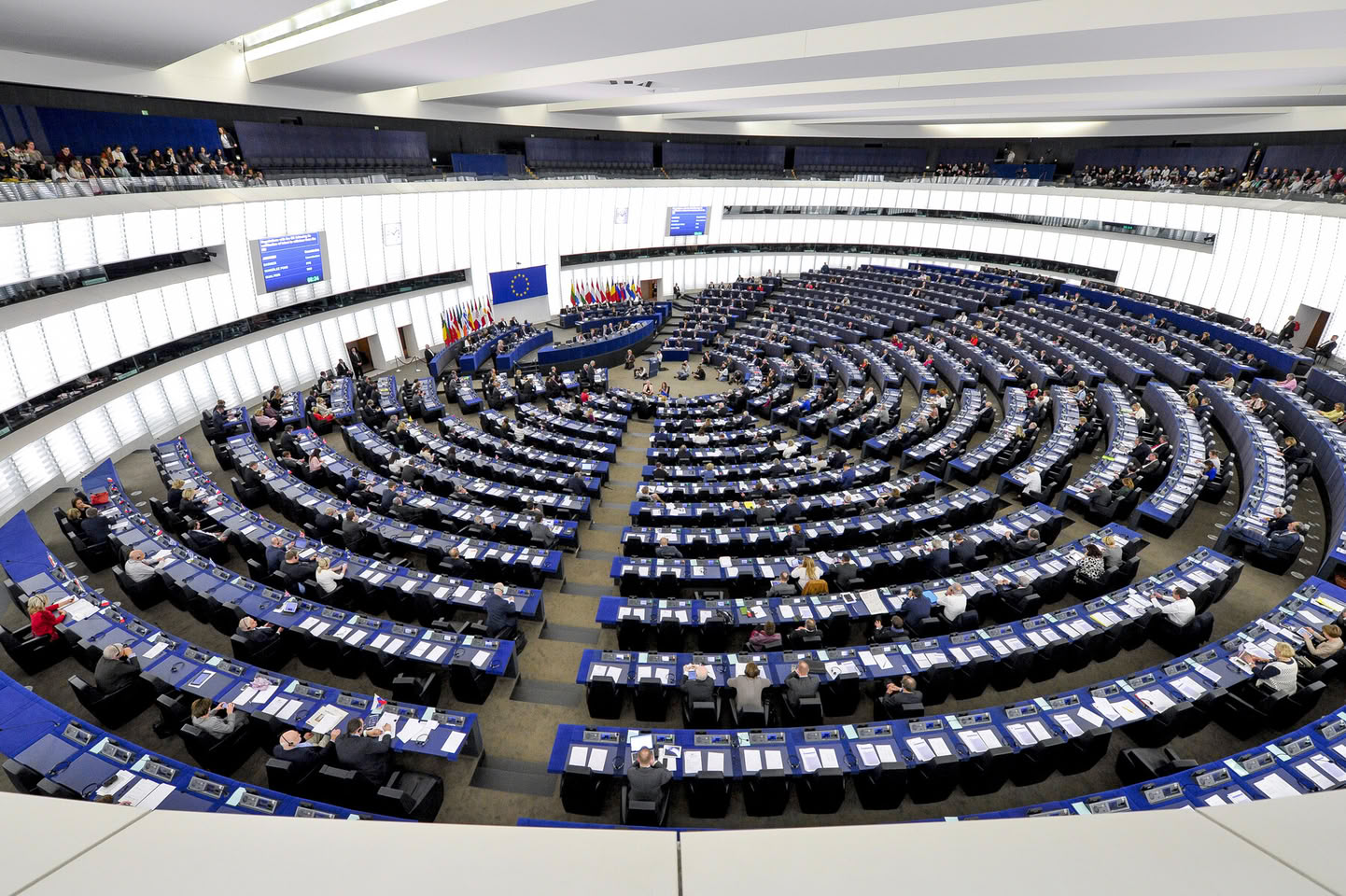
Europe is once again preparing to test the boundaries of global digital regulation. According to leaked draft documents from the European Commission, ahead of its scheduled presentation on Thursday, September 17, 2026, Brussels is finalizing an aggressive legislative package known as the « EU Kids Act ». While the initiative targets social media networks and generative AI chatbots, it places the online multiplayer gaming industry squarely in its crosshairs.
The centerpiece of the draft is unprecedented: a legal mandate requiring privacy-preserving age verification across all software application stores upon downloading any online game. If ratified, the measure will force major gaming ecosystems to completely re-engineer user onboarding for hundreds of millions of players.
What the Leaked Legislation Actually Demands
Spearheaded by European Commission President Ursula von der Leyen and incoming tech chief Henna Virkkunen, the draft text establishes a rigid tier-based framework across all 27 European Union member states:
- Ages 0 to 3: A complete statutory ban from targeted digital services and connected gaming applications.
- Ages 3 to 12: Mandatory parent-controlled accounts strictly confined to services officially certified as child-friendly.
- Ages 13 to 14: Mandatory « introductory accounts » operating under guardian supervision, featuring capped daily screen times and limited peer-only contact rosters.
- Ages 15 and above: Independent account creation and autonomous online management.
For PC and console storefronts such as Steam, the Epic Games Store, PlayStation Network, Xbox Live, and Nintendo eShop, the law introduces mandatory age gating prior to installation. Furthermore, the draft outlines strict « Safe by Design » obligations, demanding the removal of addictive retention hooks such as predatory daily streak rewards, late-night push notifications, and manipulative loot box loops, alongside regulated recommendation algorithms.
The Transatlantic Divide: How the US and Europe Differ
Viewed from an international perspective, the EU Kids Act highlights a profound philosophical divergence between Europe and the United States. In the American market, online child protection remains largely governed by the Children's Online Privacy Protection Act (COPPA), an enactment from 1998 that focuses primarily on data harvesting restrictions for children under 13, rather than mandating universal identity checkpoints.
While American federal proposals like the Kids Online Safety Act (KOSA) and several state-level age verification statutes have sparked fierce national debate, they continuously encounter formidable legal hurdles rooted in the First Amendment. In the US, judicial precedents routinely strike down mandatory digital identity verification systems over concerns regarding free expression and online anonymity. The European willingness to establish a centralized digital ID (eIDAS 2.0) verification gate represents an approach foreign to traditional Anglo-Saxon digital privacy norms.
The Parental Dilemma: Protection vs. State Overreach
For parents navigating modern family life, managing screen time and in-game spending is an unrelenting daily challenge. Video game publishers have spent years perfecting monetization engines designed to capture attention. At first glance, a state-enforced technological perimeter might appear to offer welcome relief to overwhelmed households.
However, this legislative paternalism conceals a dangerous consequence: parental disempowerment. When government entities position administrative verification servers as universal guardians, families are subtly encouraged to surrender their vigilance. No government database or biometric scanner can replace genuine conversation, shared gaming sessions, and healthy boundary-setting within the home.
The Player Reality: The Inevitable Rebound Effect
Examining this legislation through the eyes of younger players reveals why brute-force prohibition consistently backfires. For today's youth, multiplayer titles like Fortnite, Roblox, Minecraft, and voice hangouts on Discord serve as the contemporary community playground. This is where adolescents convene after school, collaborate on creative projects, and maintain social ties.
Imposing rigid legal blockades under age 15 inevitably sparks the classic forbidden fruit effect. Prohibition does not extinguish desire; it systematically incentivizes evasion. Tech-savvy teenagers will quickly bypass these controls using VPN tunneling, borrowed parental credentials, or unmoderated offshore shadow servers. In doing so, the law risks pushing adolescents into genuinely dangerous digital corners where they can no longer seek adult guidance when real harm occurs.
Editorial Perspective by Grimtag: Why Mentorship Beats Mandates
It is time to confront the flawed belief that complex social and developmental challenges can be resolved by bureaucratic decrees and digital checkpoints. Absolute prohibition inevitably breeds the urge to trespass. Erecting digital perimeter fences and requiring identification documents to download a multiplayer game will not produce digitally literate, resilient young citizens.
The only framework that genuinely succeeds has always been, and will always be, compassionate parental mentorship, open communication, and active involvement inside the home. Furthermore, a foundational boundary must be reaffirmed: the state does not exist to raise our children. That is not its role, nor should it ever be. Moral guidance, personal boundaries, and mutual trust belong exclusively within the family, not inside administrative databases.
Grimtag, Founder of Pro-Gamer
As the EU Kids Act prepares for parliamentary debate in Strasbourg, the global gaming industry faces a defining reckoning. Whether international developers choose to partition their European servers or push back against mandatory age gating will determine the future of digital freedom for players worldwide.

SEO consultant for over 20 years and digital entrepreneur, Charles 'Grimtag' Ronchain is the founder of Pro-Gamer.gg, Retrocharting.com, and Gamescharting.com. A competitive gamer, streamer, and retro game collector, he has worked in the video game industry for over 15 years, notably as a consultant for leading price comparison platforms. Passionate about real-time performance data and gaming technology, he analyzes competitive esports, gaming hardware benchmarks, and creator workflows on Pro-Gamer.gg with an authentic player perspective.